It was decided we would go into Lima, so after preparation we waited for the bus on the dirt strip between roads for the bus.
We caught one to Lima that was only moderately filled with people, but on the way it rapidly became jam packed. It was quite hot and stuffy on the bus and I zoned out for most of it.
The section of Lima we were exploring had several malls and we spent the first fifteen minutes talking to the Olo Internet people.
The plan was to take the little ones to Divercity, a children’s museum of sorts. We found out it wasn’t open until three, so we walked over to the food court in one of the malls.
After some discussion, we ate there and I watched the siblings as we staked out a table and Mother and Father got food.
Whilst we ate, Mother and I made a bargain that if I took the young ones to their museum, I would get Nutella. I was quite happy with the situation, until we found out I wasn’t old enough to take them there myself.
We left Father and the small ones there and walked over to Plaza Vea. Ryan and Mother had long conversations about chocolate for a while before we walked around the upscale mall and looked at clothes and whatnot.
I made them stop at a Nescafe sample store thing, and we got free chocolate coffees. Well, Jack had the caramel, but in my opinion the chocolate was better.
My stunning beauty was so impressive that the Nescafe guy invited me to take a photo shoot for the Nescafe Facebook page. Since he didn’t want to be rude, he had to bring Jack along too.
Once I had finished modeling (and Jack) Mother and Ryan went shopping and Jack and I walked over to Divercity to see if Father was still in there.
Jack lurked around for a while before finally being brave enough to talk to them and we asked to fetch Father for, which they did and we went back to Mother.
We caught the bus back to our beach house and so ended our day in Lima.
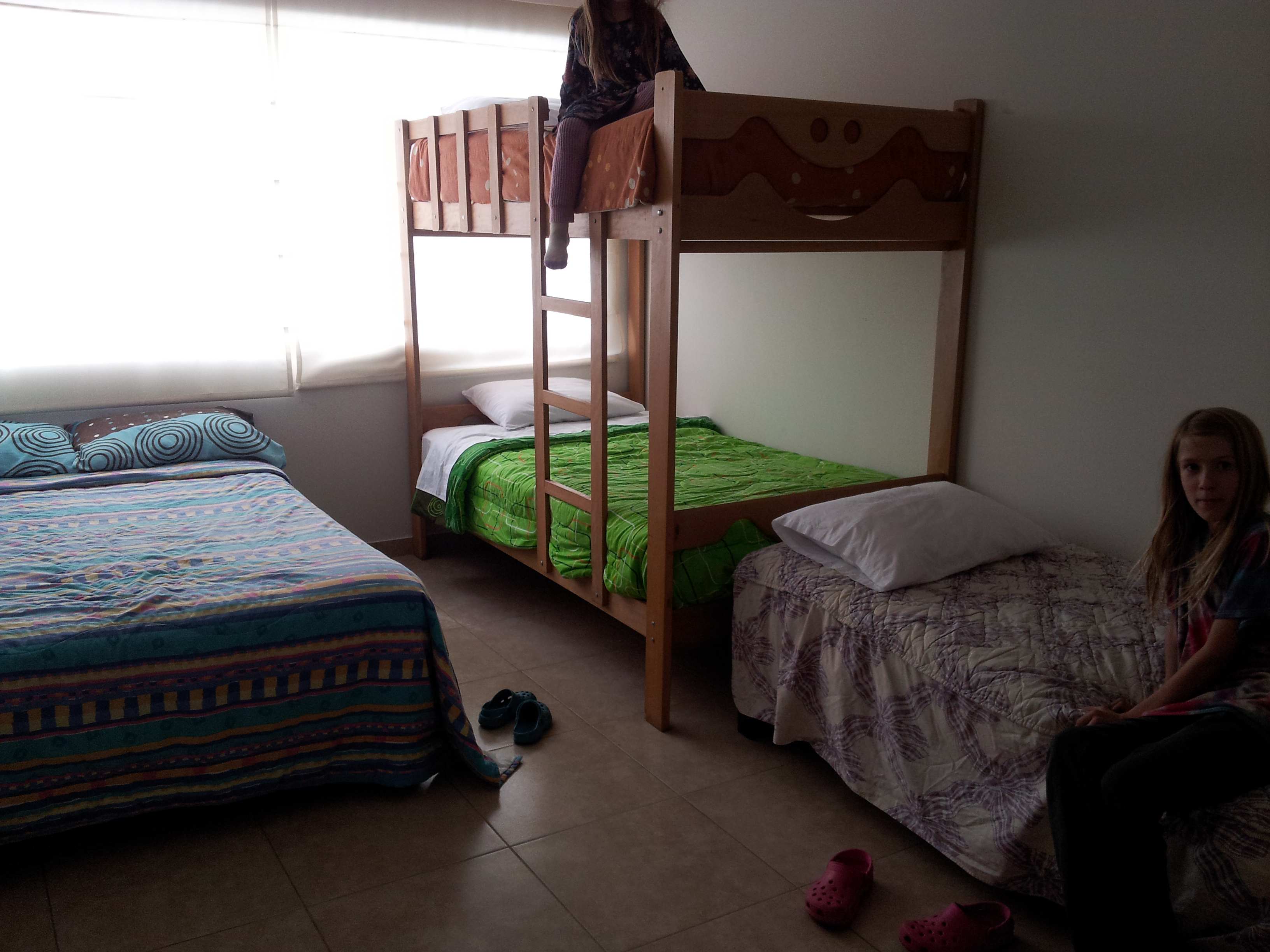
Today was spent lazing around the house and discussing the Amazon trip and whatnot. Lovely times.
Jennah
]]>
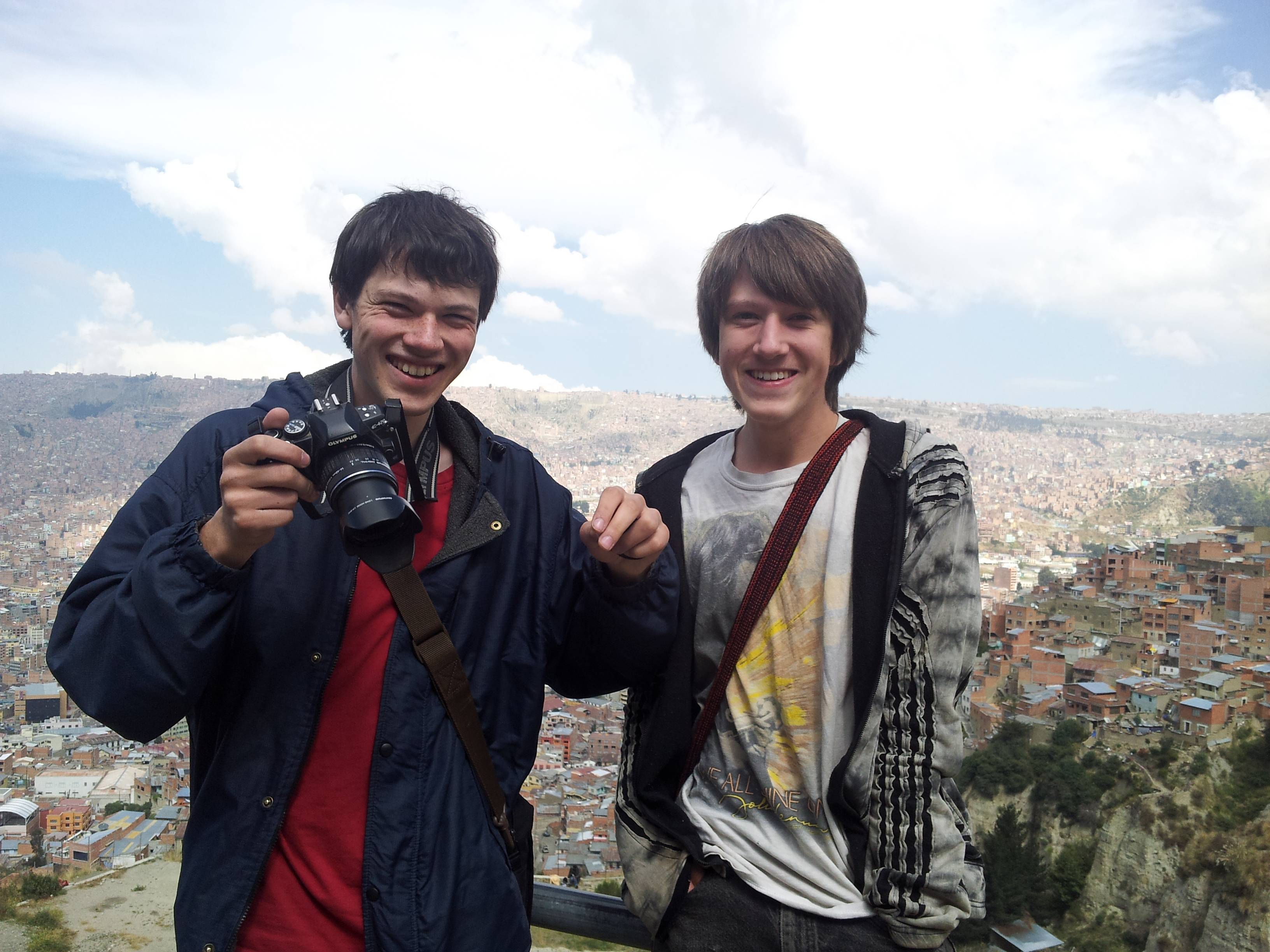
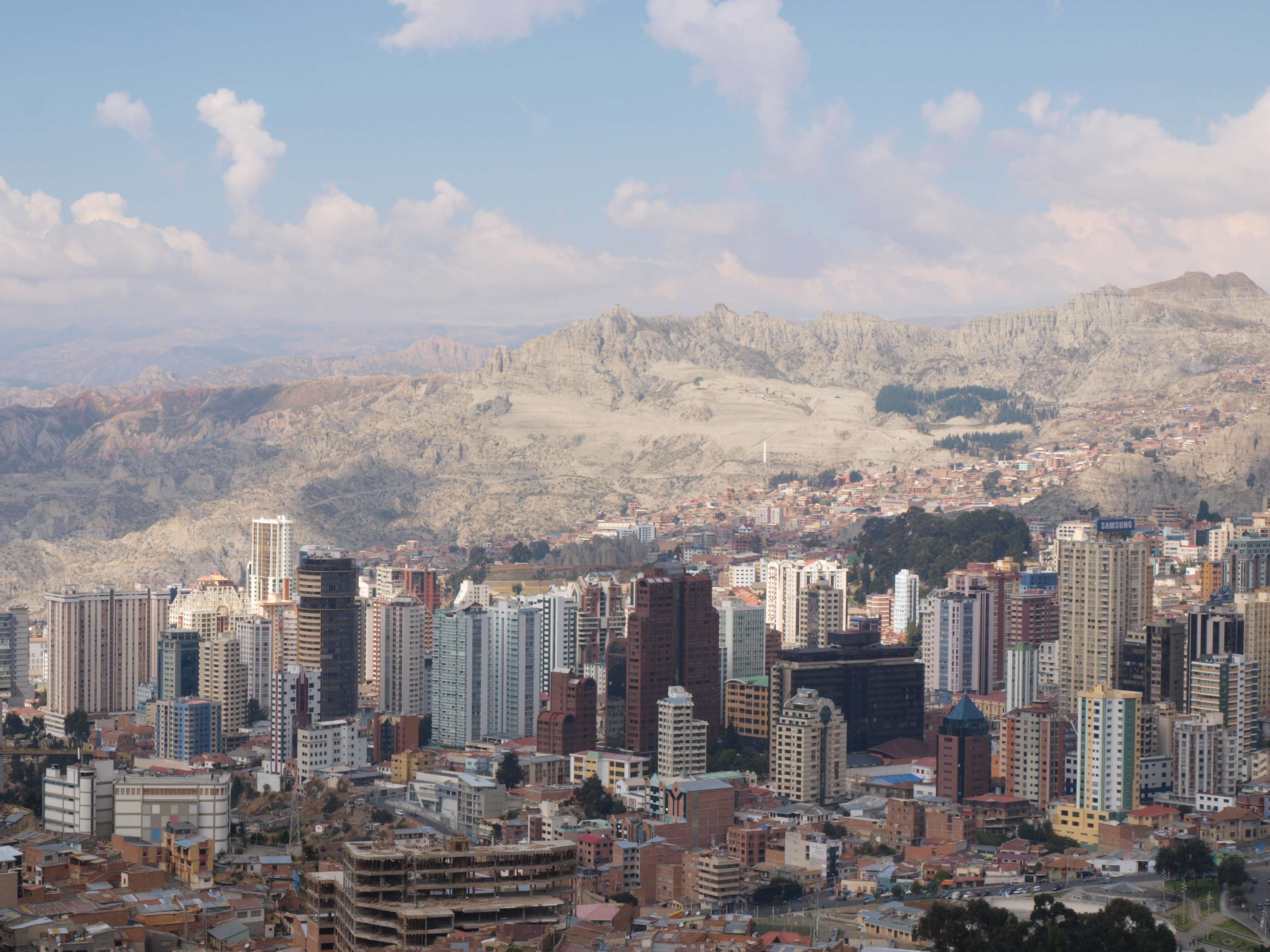
When last our story ended, Ryan, Jack and I had arrived at our hotel at 4am and fell asleep. We slept until noon and then took a long walk downhill. La Paz is a canyon. The Choqueyapu river flows through it but the river has been nearly completely built over so it is almost entirely underground — which is very good because it is now filled with the sewage of 2.3 million people. The city of La Paz sits in a bowl surrounded by mountains, volcanoes and the altiplano and was founded in 1548 by the Spanish conquistadors and originally named Nuestra Señora de La Paz (Our Lady of Peace). The city started in the valley and as it grew, it climbed the steep hills. From the bottom of La Paz to the top is more than 3,000 feet and hundreds of steep roads. La Paz has a section called El Alto which is the largest indigenous community on the planet. El Alto is at the top an spills over the rim onto the altiplano.
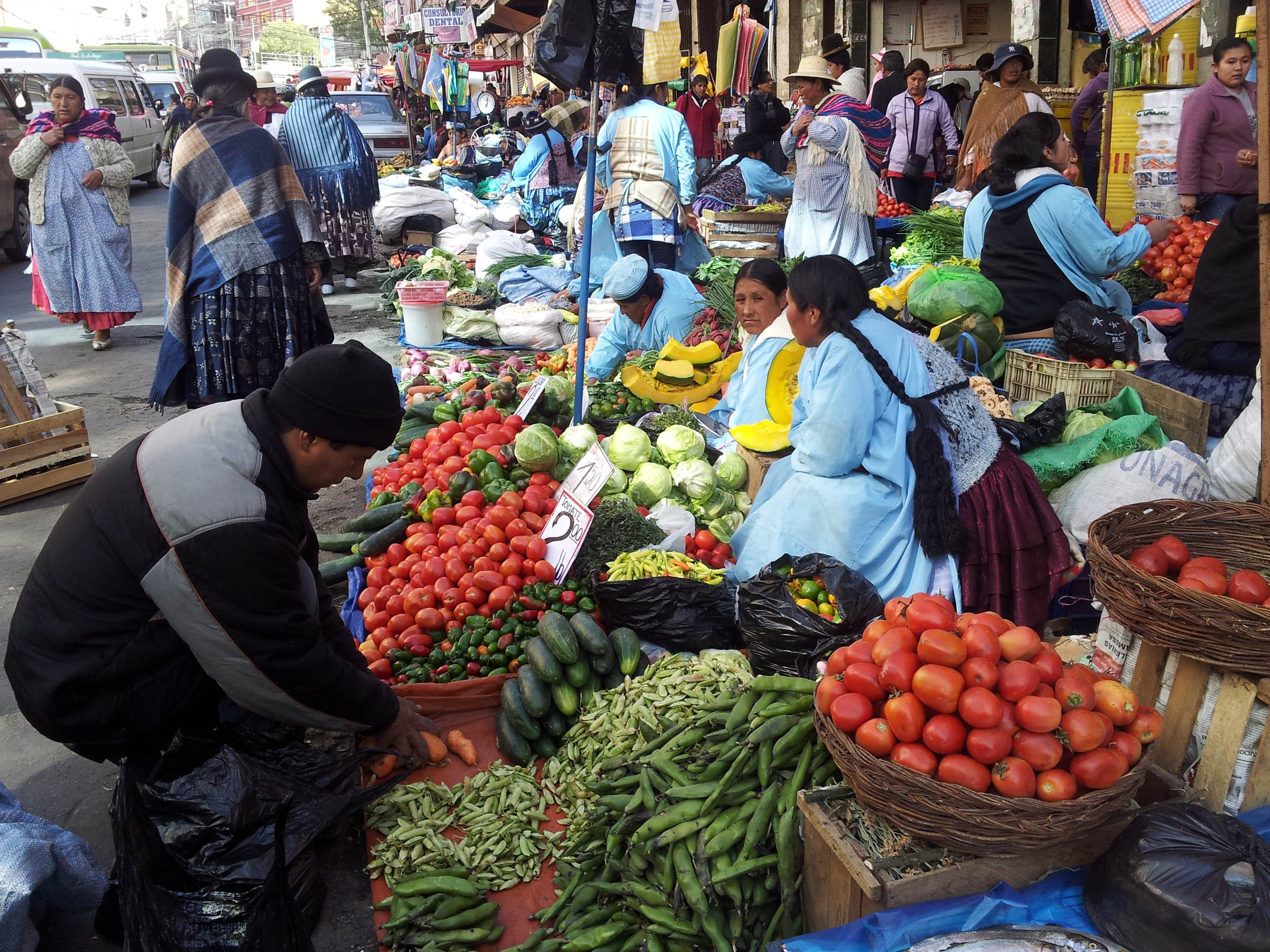
Our hotel was on a road that was the main market road with at least 12 full-time market roads, meaning roads that have markets set up with blue plastic tarps all day long, every day of the year and sell tooth paste, shoe laces, metal cups, real Cholita hair in 24″ braids, dog collars, potions, vegetables, every single part of any animal, knock off North Face Jackets, safety pins,toilet paper, song birds, blankets, old watches, refurbished ancient cell phones… So we had to wend our way through the market as went to and from our hotel.
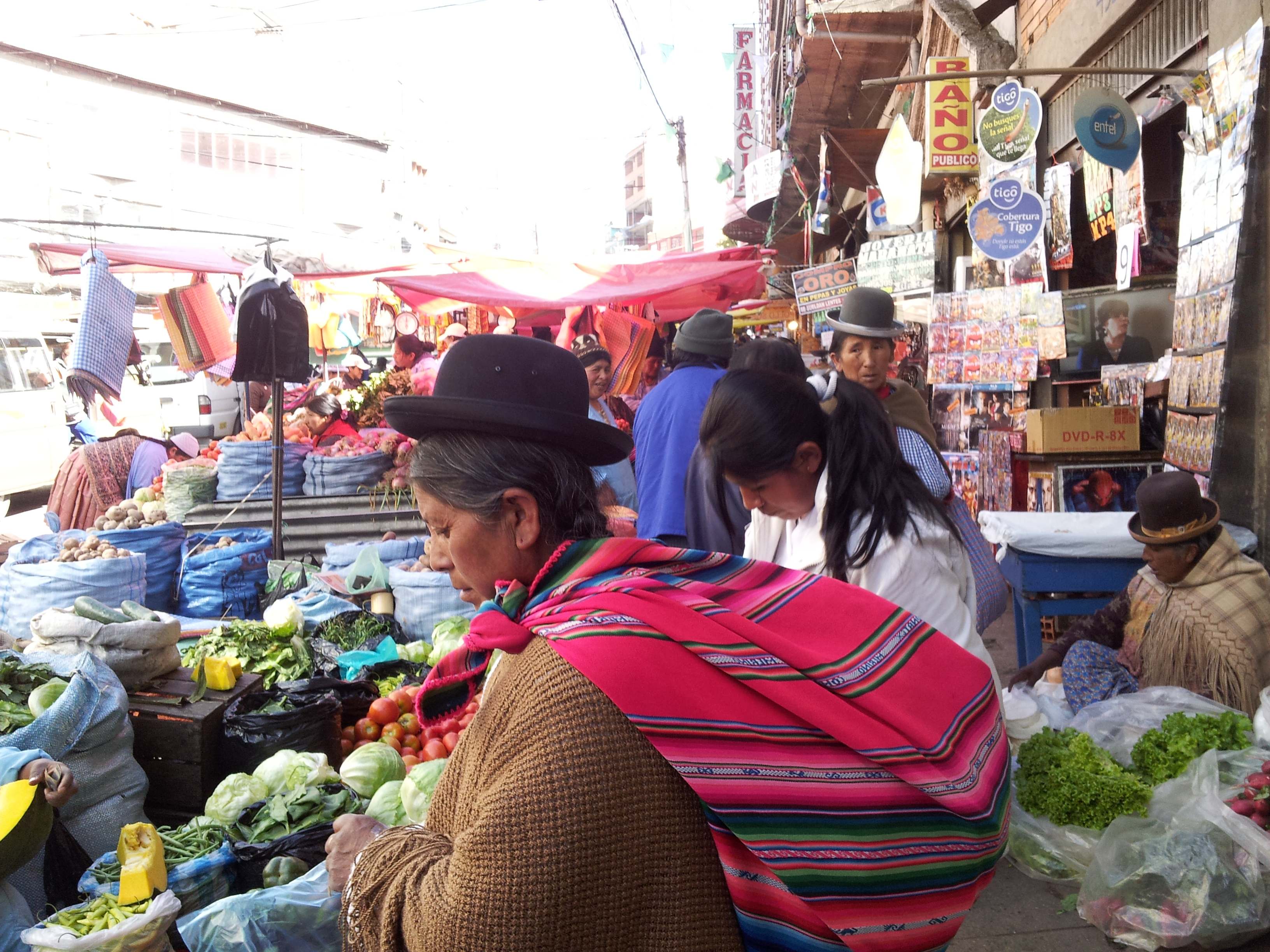
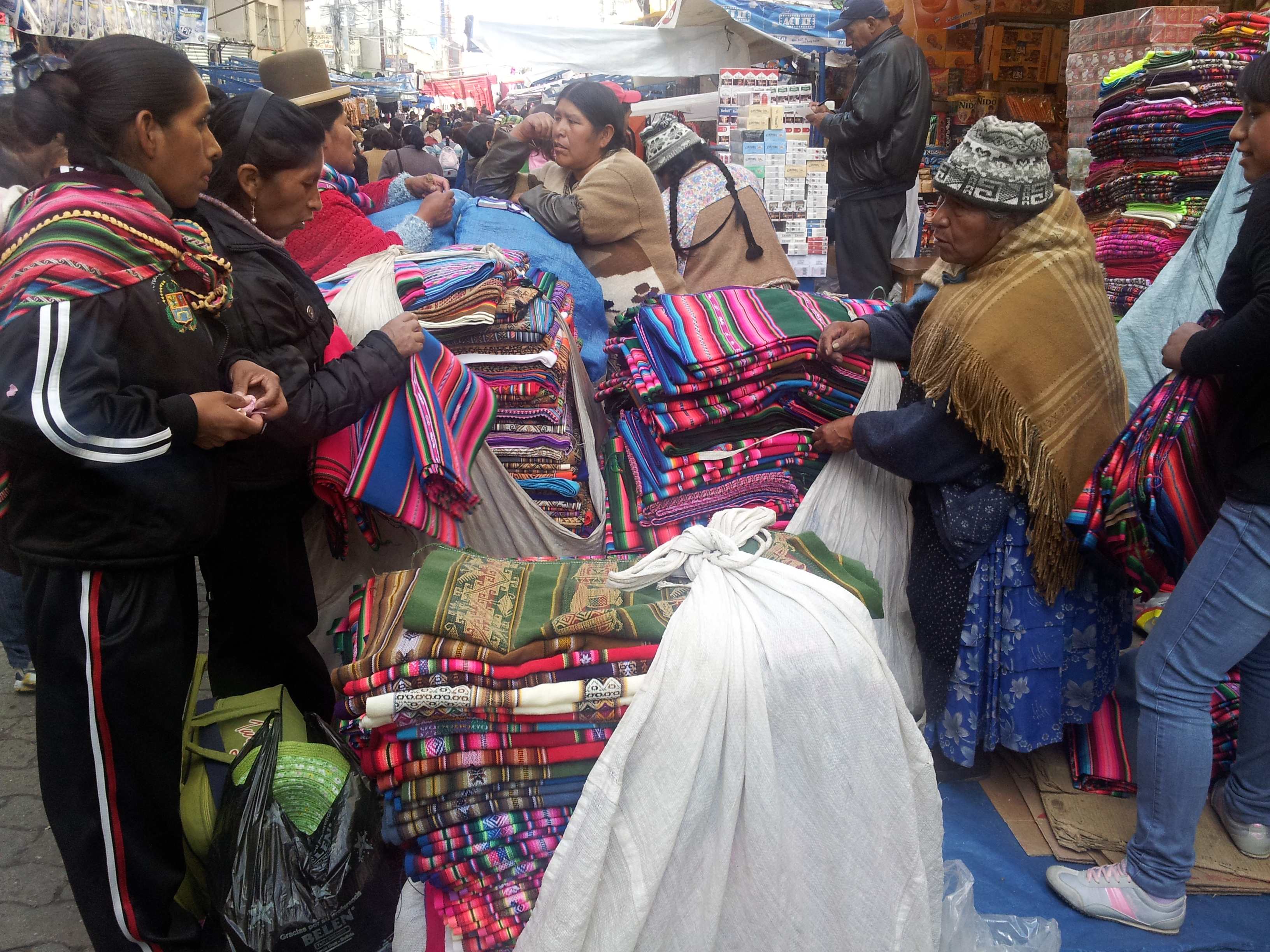
The day we arrived was May 1, International Workers’ Day, a national holiday in more than 80 countries including Bolivia. Perfect day to sit around a Bolivian cafe drinking espresso and plotting socialist reform. We took a long walk (all downhill) and we were amazed at how lovely, cosmopolitan and clean La Paz was! It was a truly beautiful city.
Over the next 5 days, we walked all over the city. We quickly figured out that it was easiest to leave our hotel, which was north of the city centre and uphill, and walk downhill as much as possible and return in the evening in a taxi. Still, we walked uphill quite a lot which, at 14,000+ feet is not such an easy task.
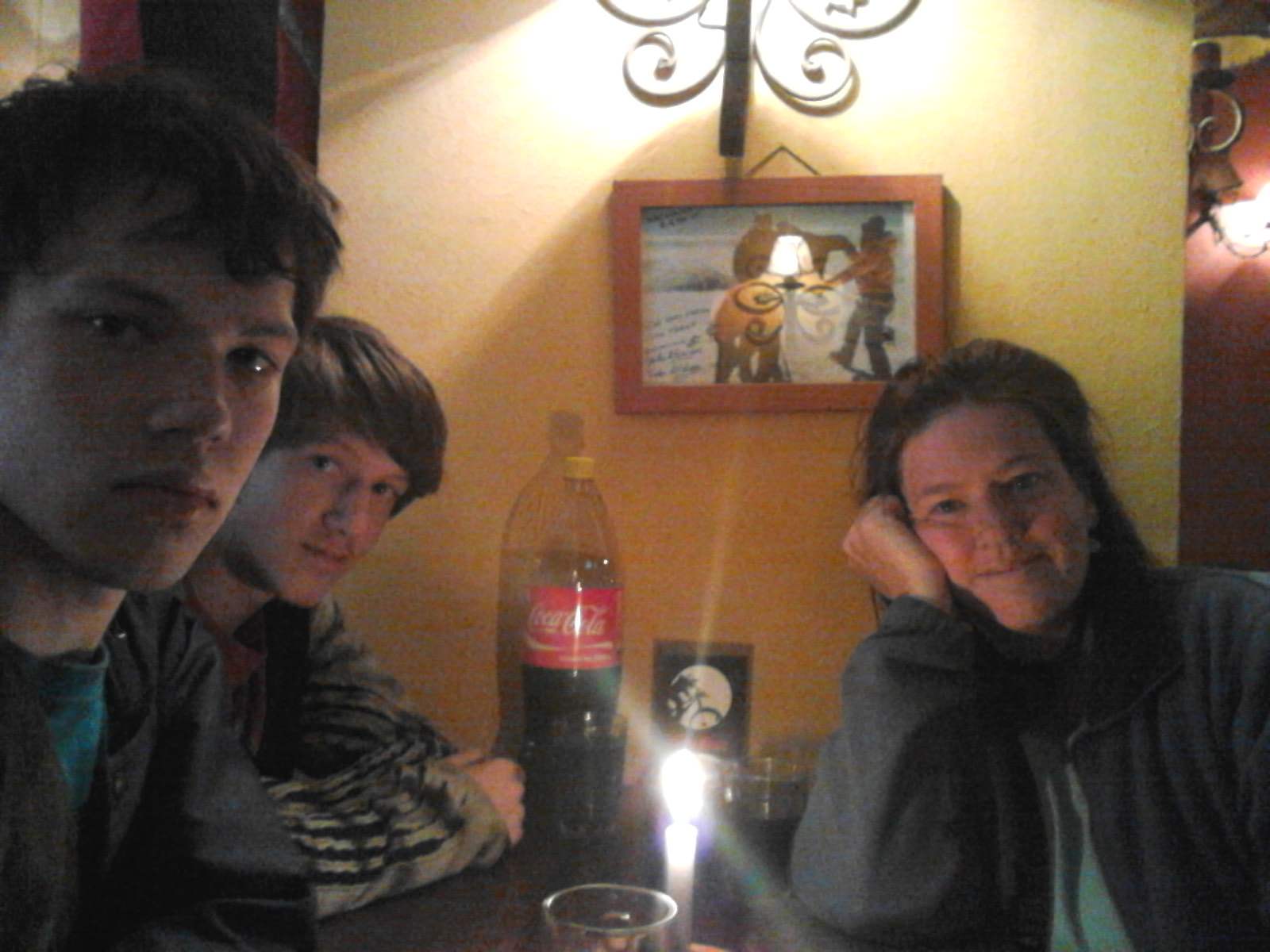
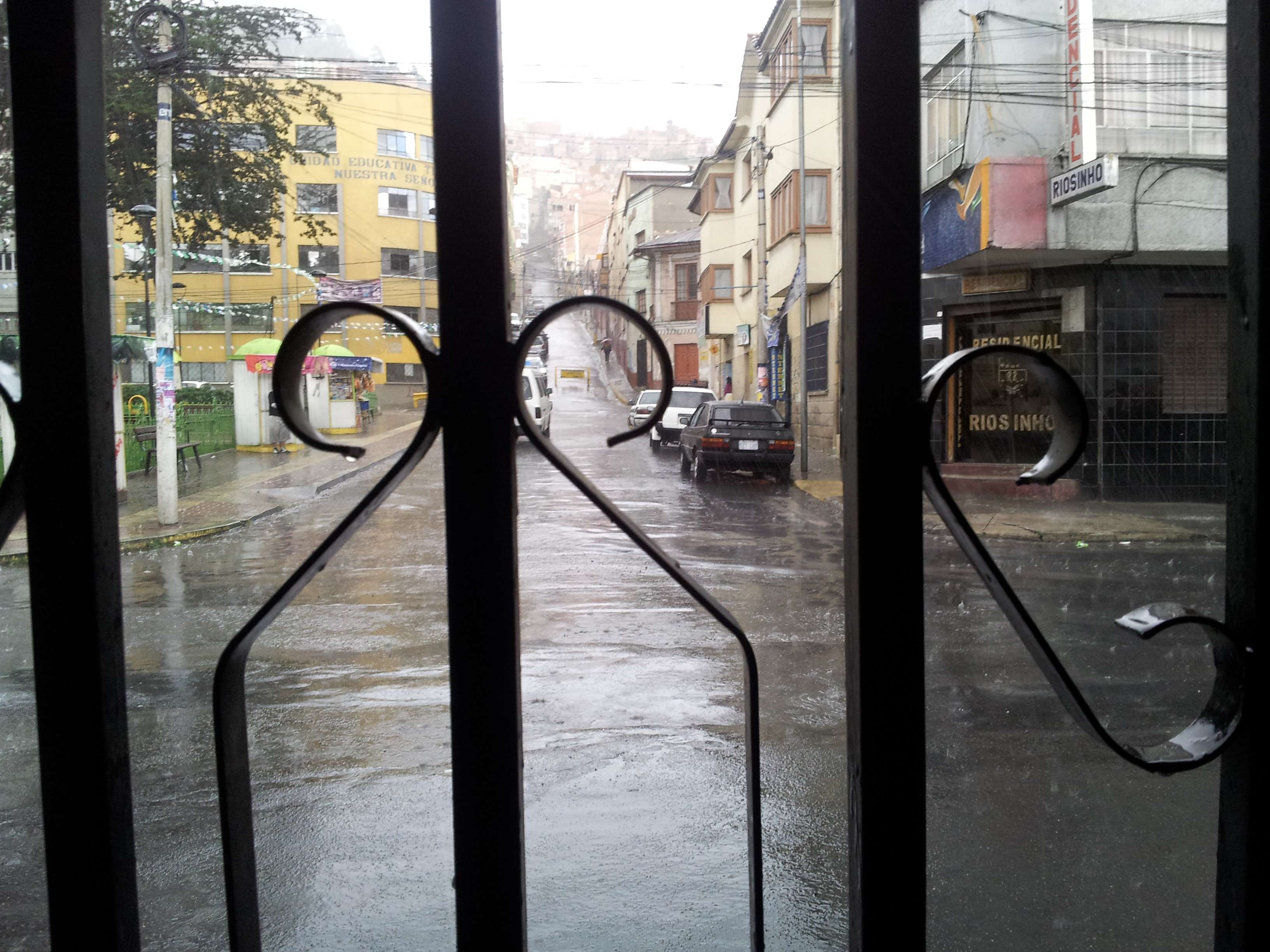
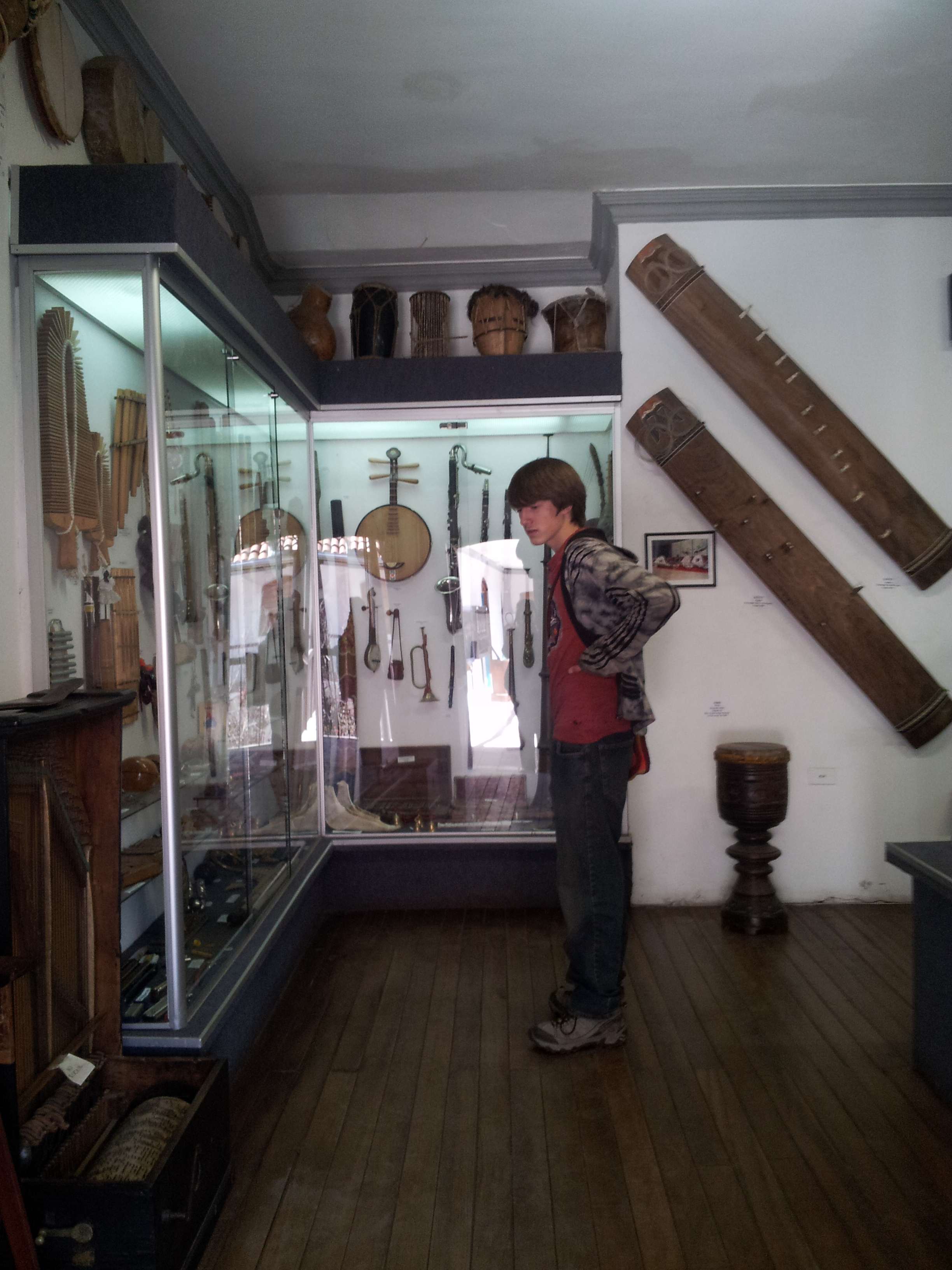
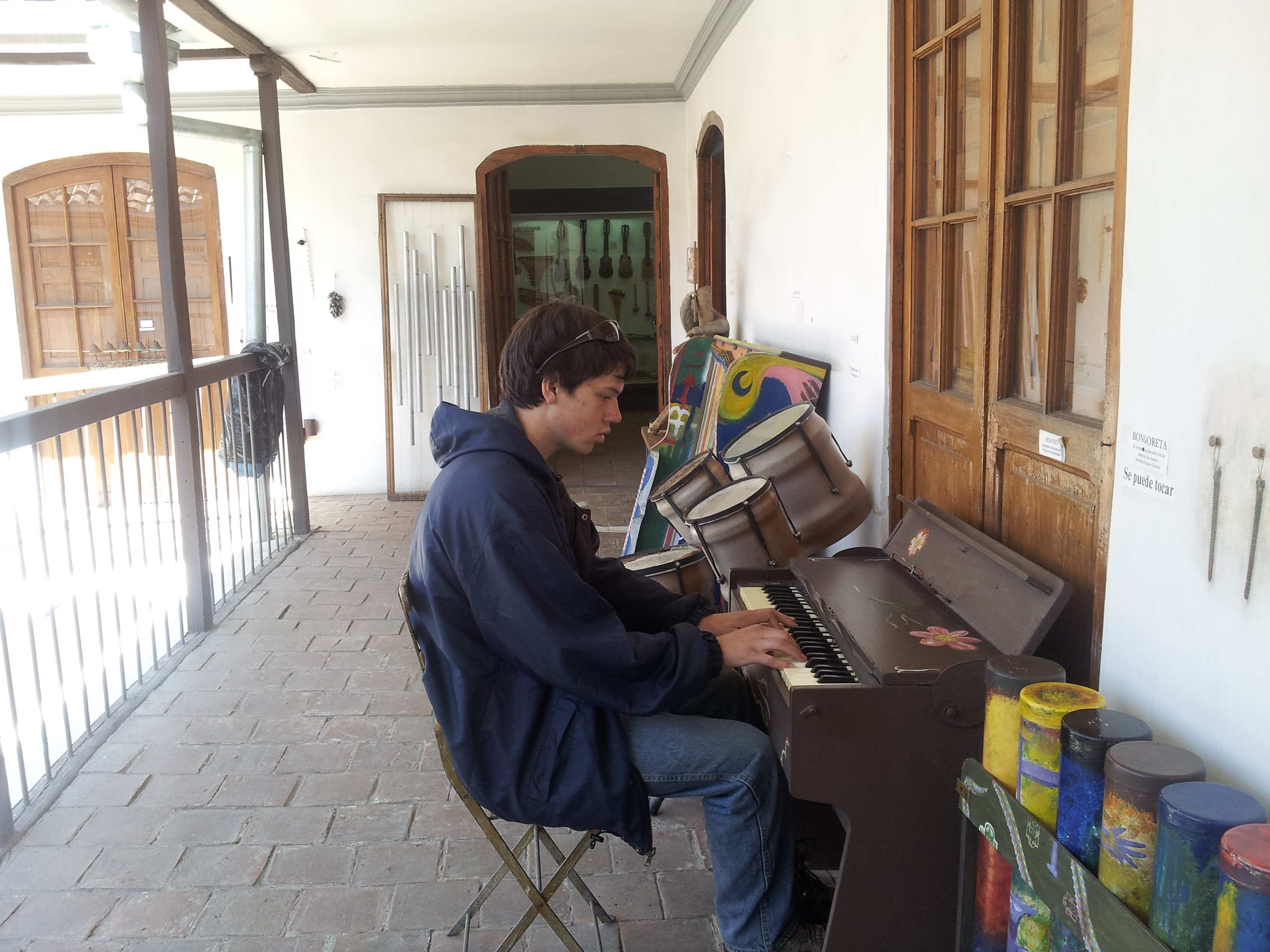
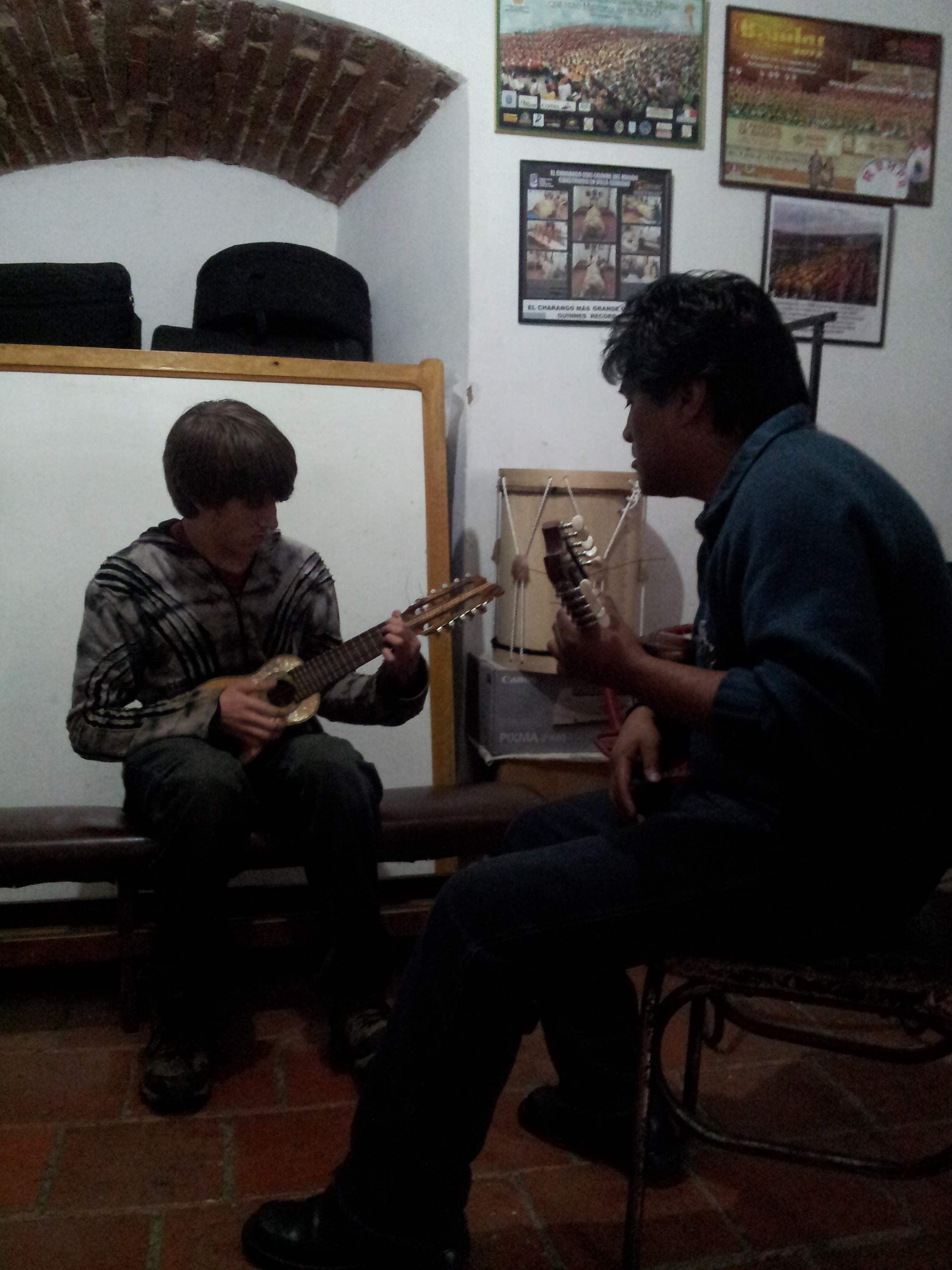
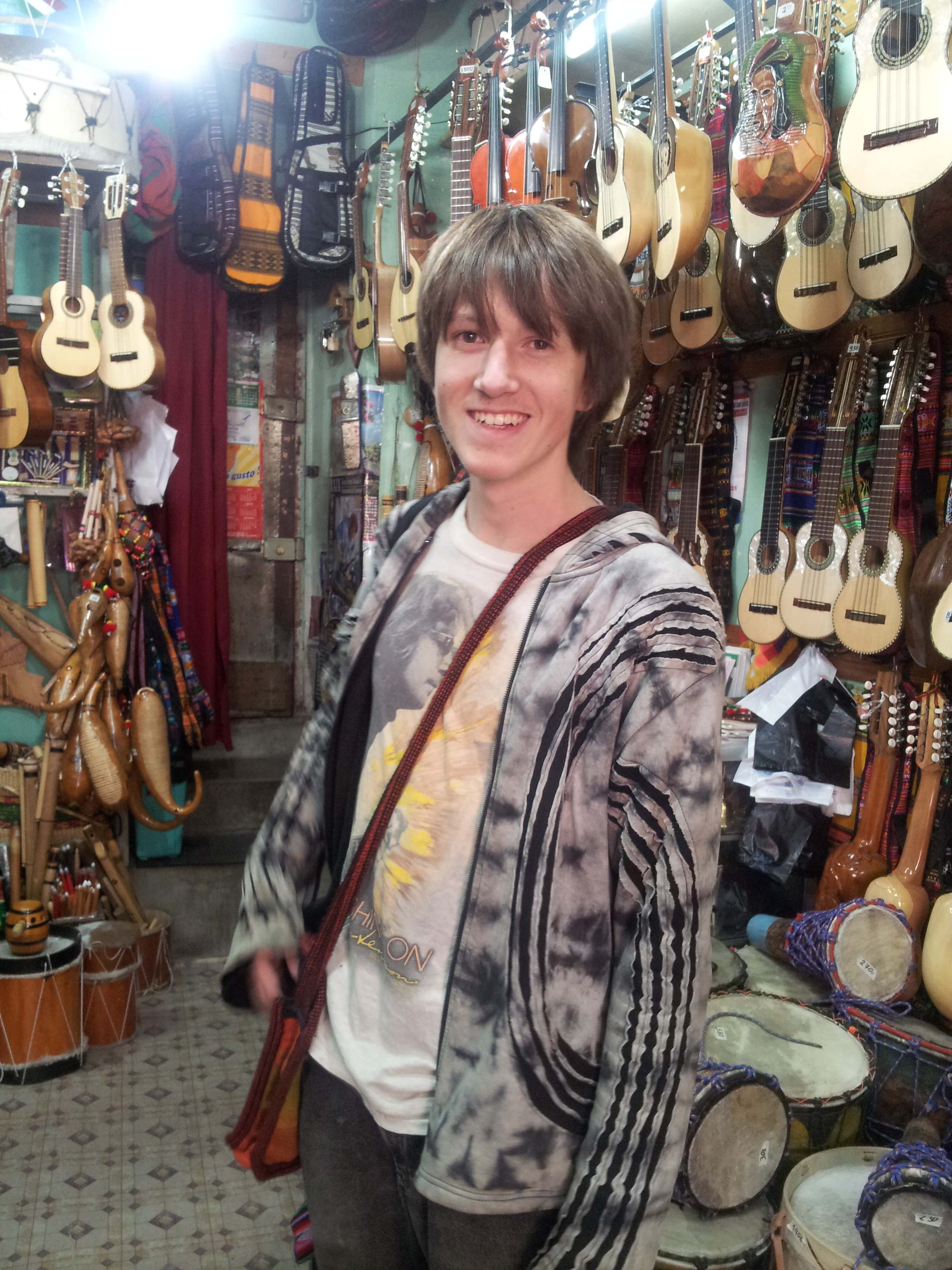
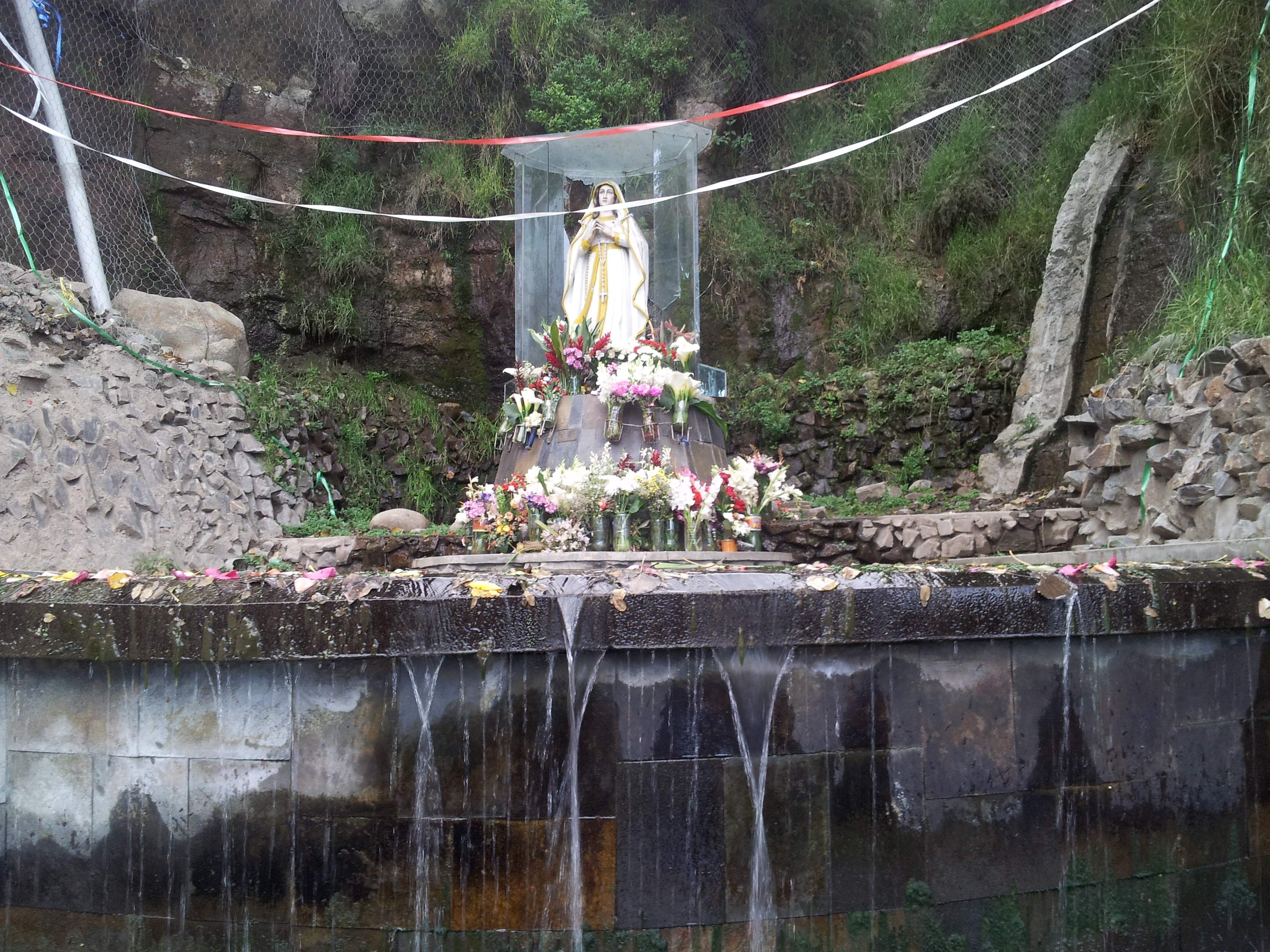
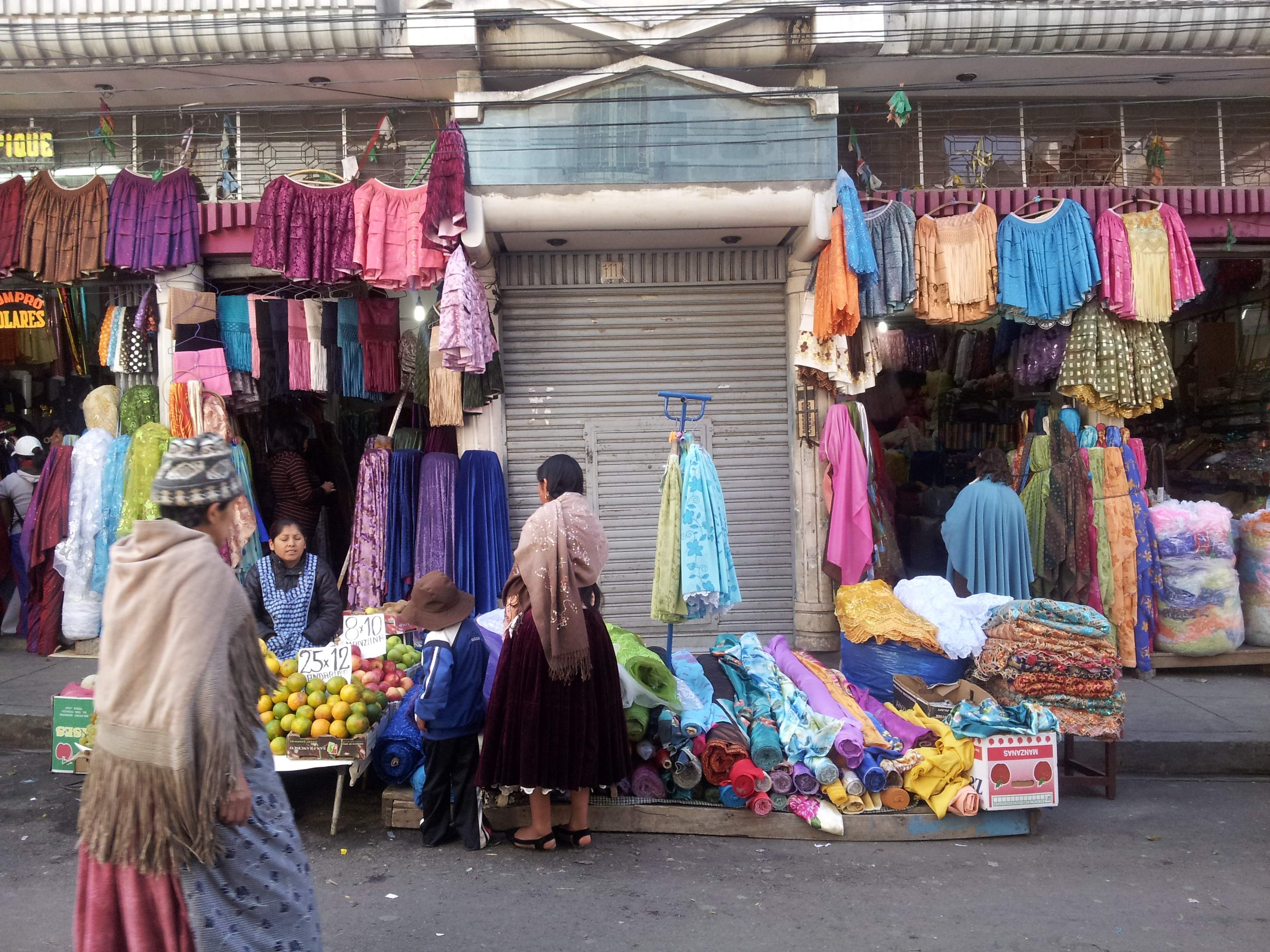
Despite being a very traditional city with many (mostly) traditionally dressed people, La Paz had thriving ex-pat communities and street signs were in Spanish, Hebrew and Japanese. We went out for excellent Japanese food at the Japanese Club of La Paz (#1 rated restaurant and a complete dinner for the three of us, including drinks and tip was less than $24). We ate falafels at a hookah bar. We had upscale coffee at several cafes with high speed wireless and much fanciness.
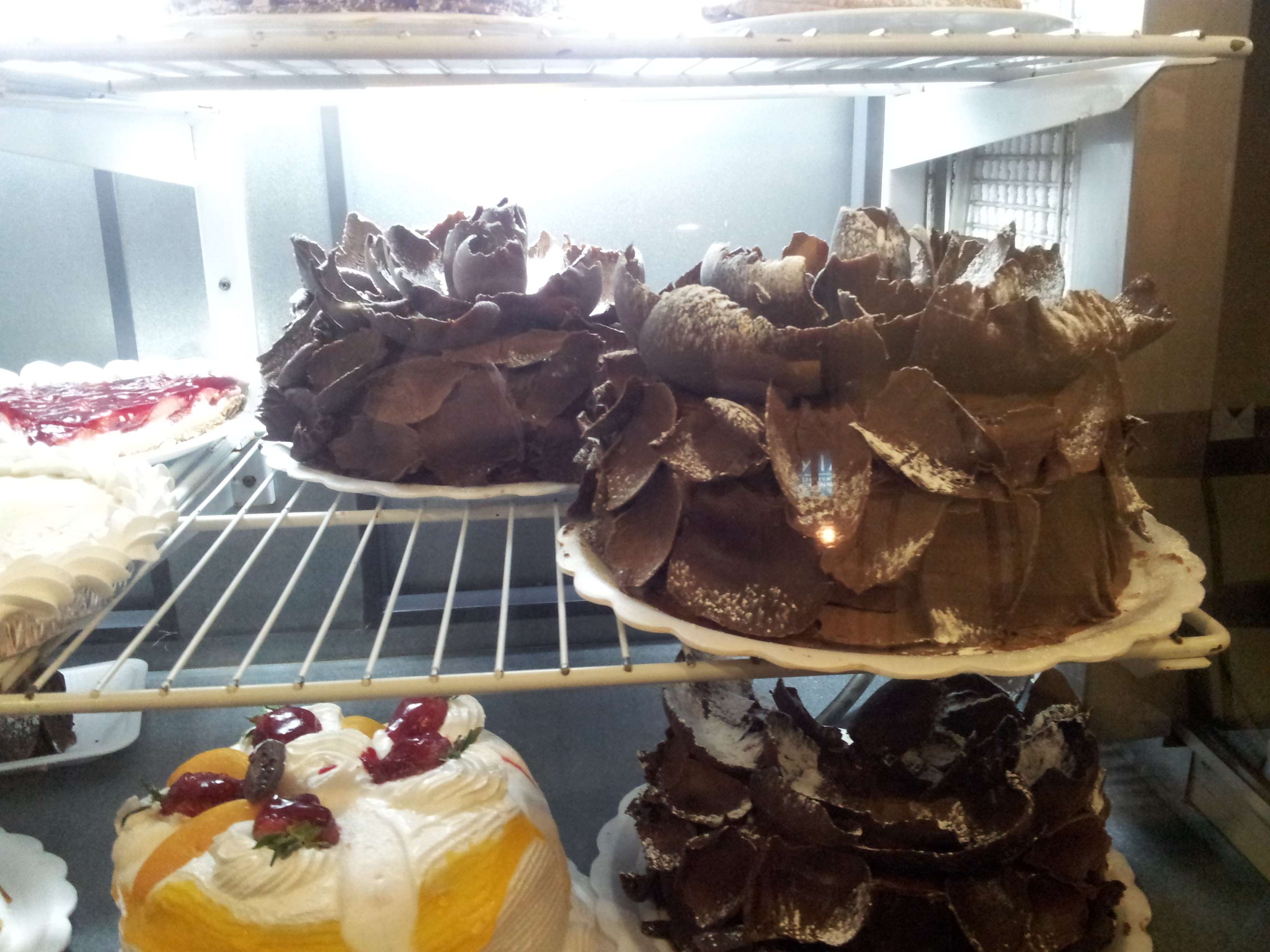
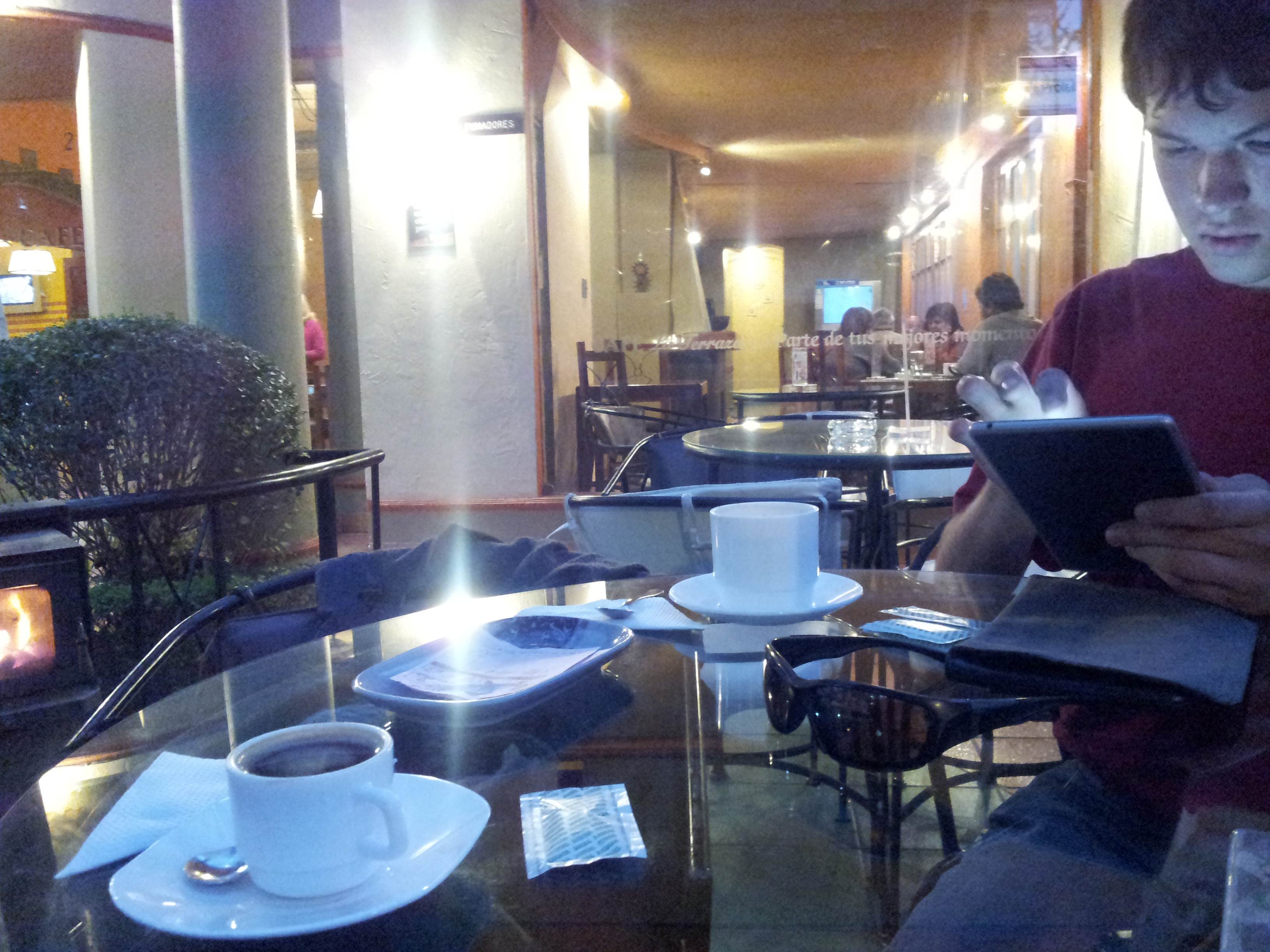
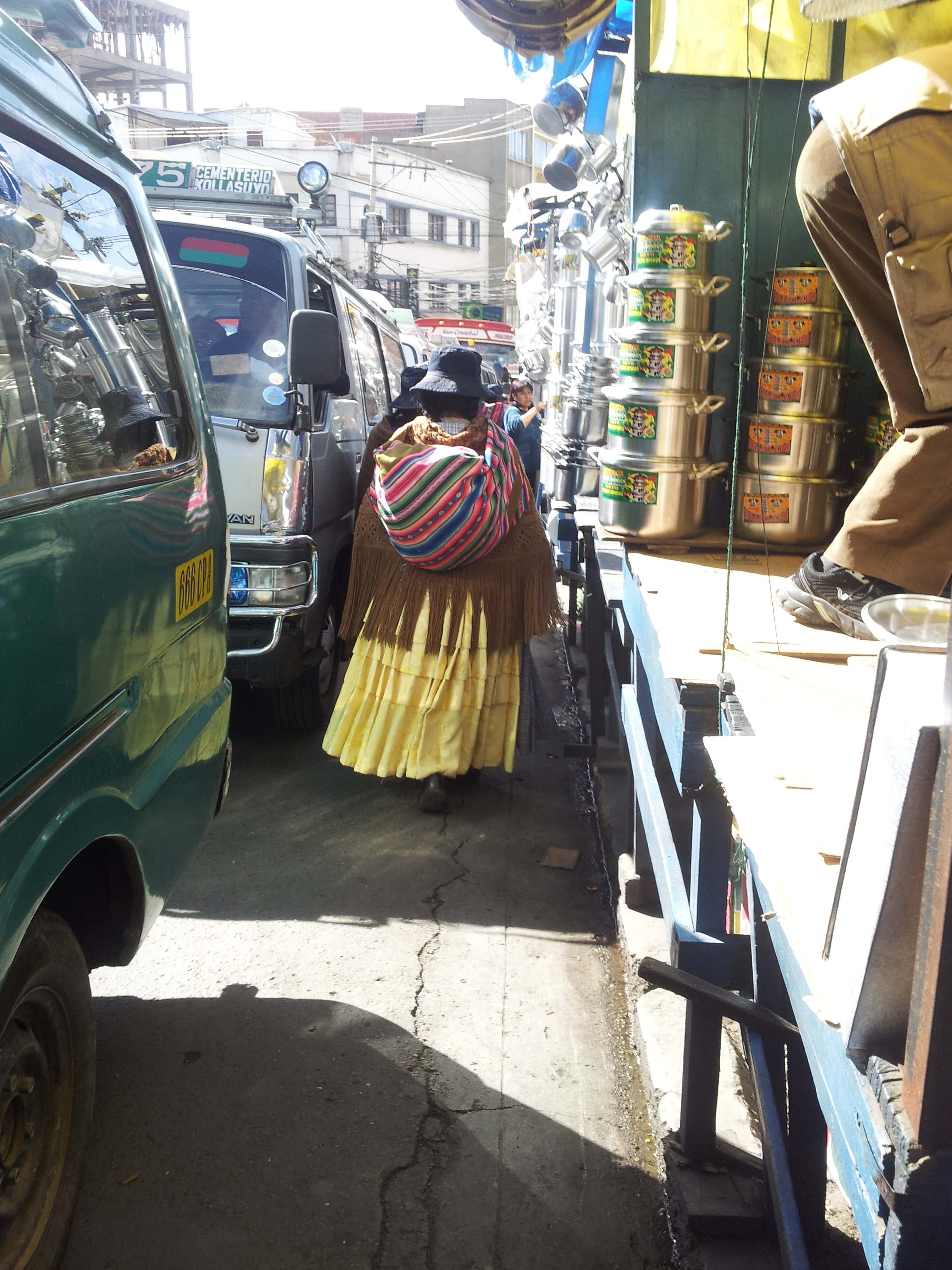
La Paz was very interesting because it was the best city I have ever been to for live music, restaurants, events, fountains, flowers, beautiful skyline and shopping. At the same time, it was a very traditional city where most men and women wore traditional clothing and it was common to see a woman in full Cholita outfit (a minimum of 6 skirts but as many as 22, several shawls, blankets used to carry personal items draped around your neck and the smallest bowler hat you could wear without pins) pull an Iphone out of their blanket to schedule a court case. The crafts were amazing, The quality of the handwork was unbelievable and I leave here with yet another skein of handspun alapaca yarn, a few dolls, felted slippers and handmade knitting needles.
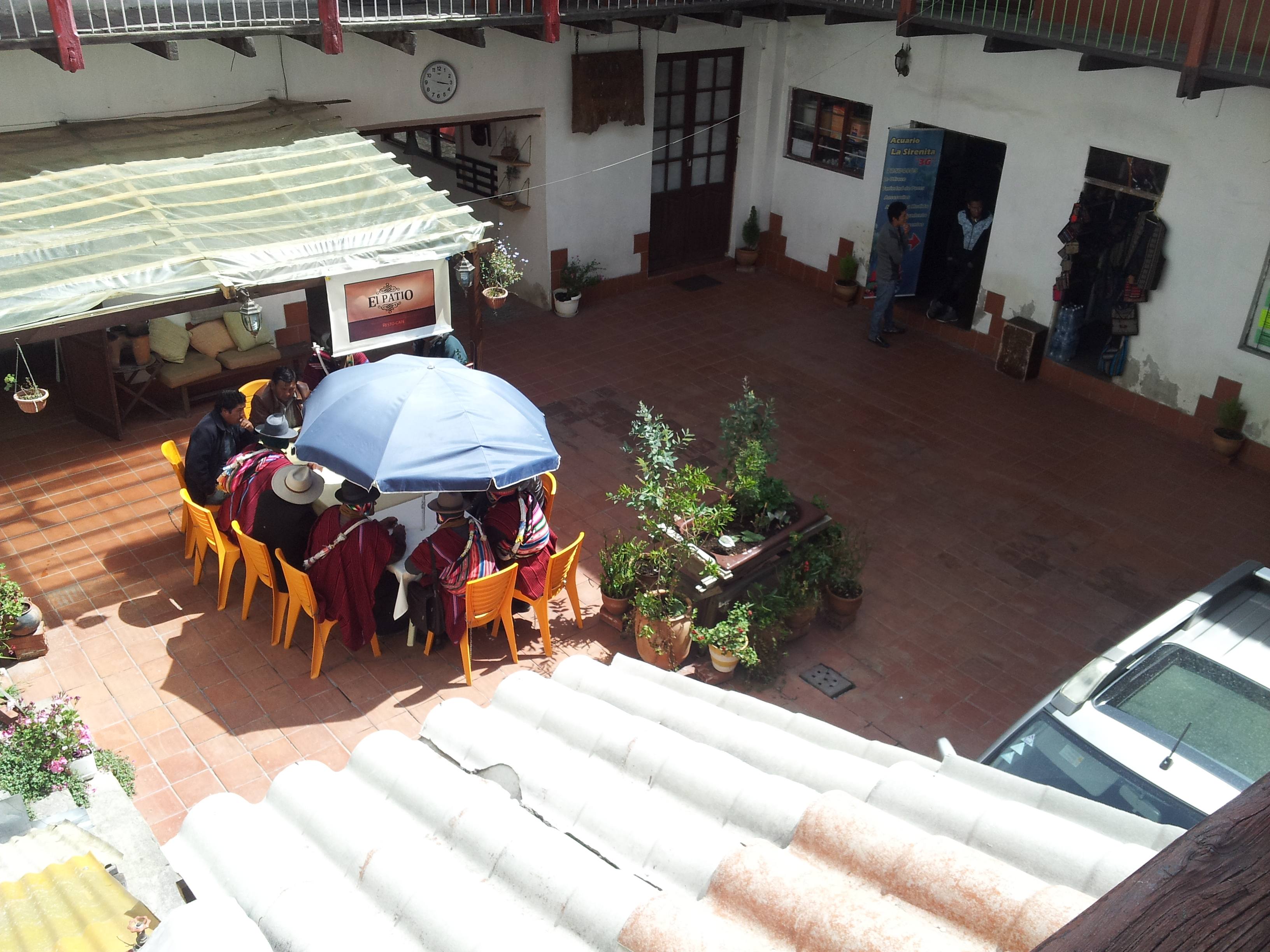
We saw a woman pluck an eyeball from a boiled sheep head and pop it into her mouth. We saw a man with a bucket of flattened rattlesnakes and a bowl of rattlesnake blood for sale.
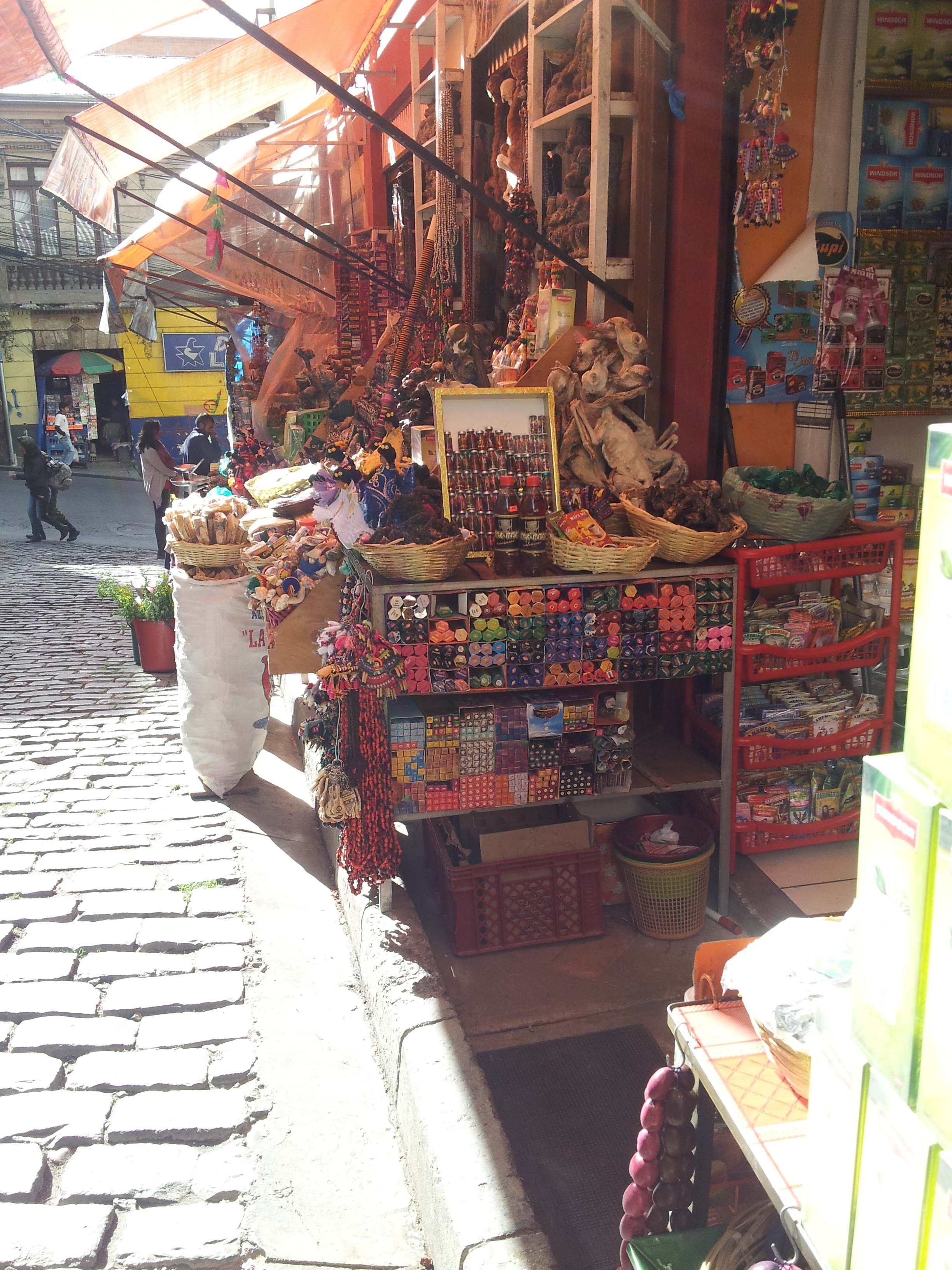
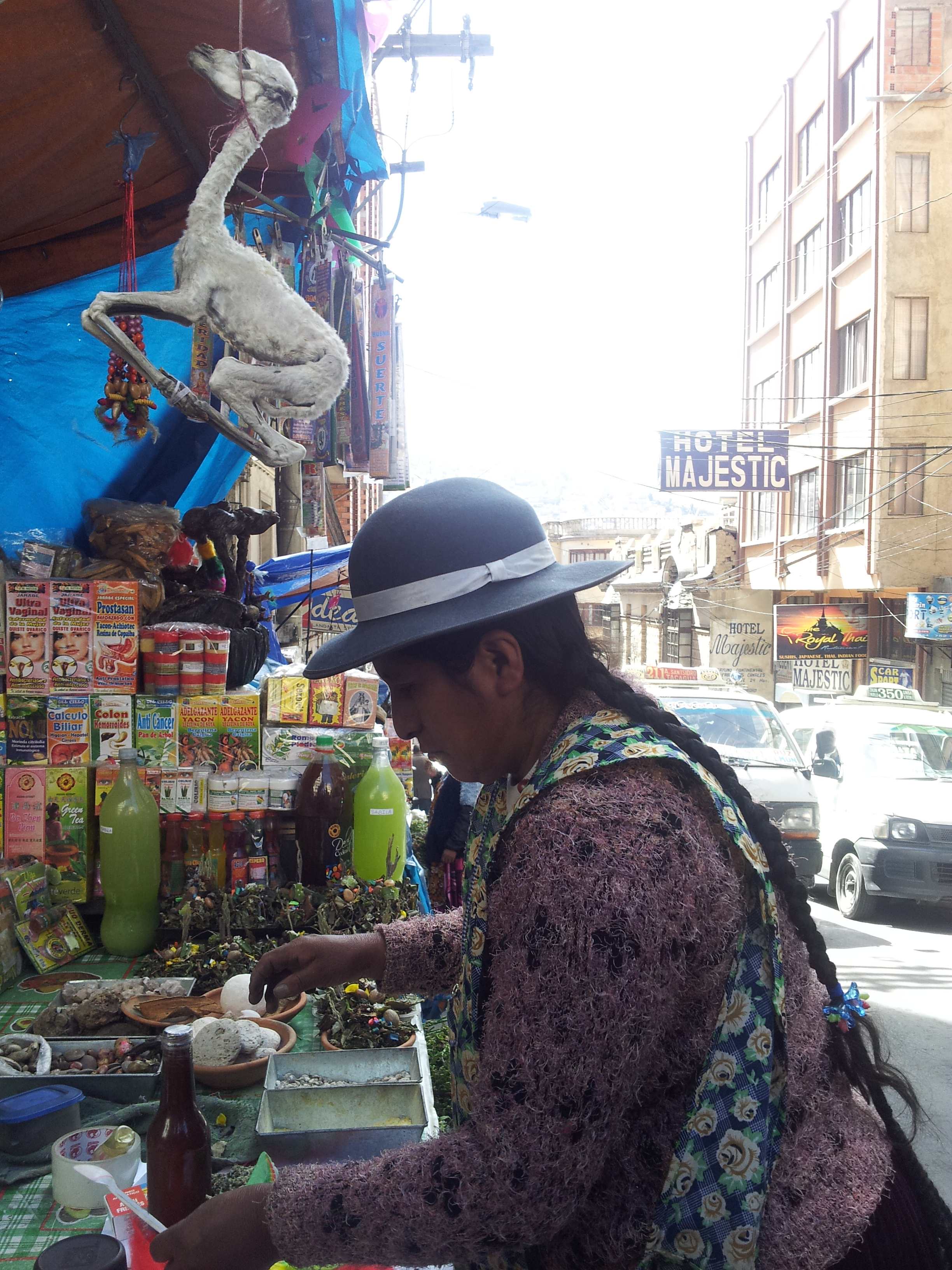
We paid a few visits to the witches market. The Tourist Information Service of Bolivia estimates that there are llamas buried under 99% of the houses and under all of the fabulous skyscrapers. The bigger the building, the more extravagant the offering. A live llama, dressed in fine clothing and drinking chicha, is preferred. But if you cannot afford a live llama to sacrafice, a llama fetus will work. To meet the sacrificial requirements, La Paz has a bustling Witches Market that offers llama fetuses in all price ranges, from embryonic to viable llama. We asked how they got so many fetuses and the woman said that when llama meat is processed, the fetuses are sold to the witches. We brought with us a list of all the requests we had for potions and charms (you know who you are!!) and seriously and respectfully requested assistance. So we left with several powders, packets, talismans, charms, small bottles and one specially made wax voodoo doll and instructions.
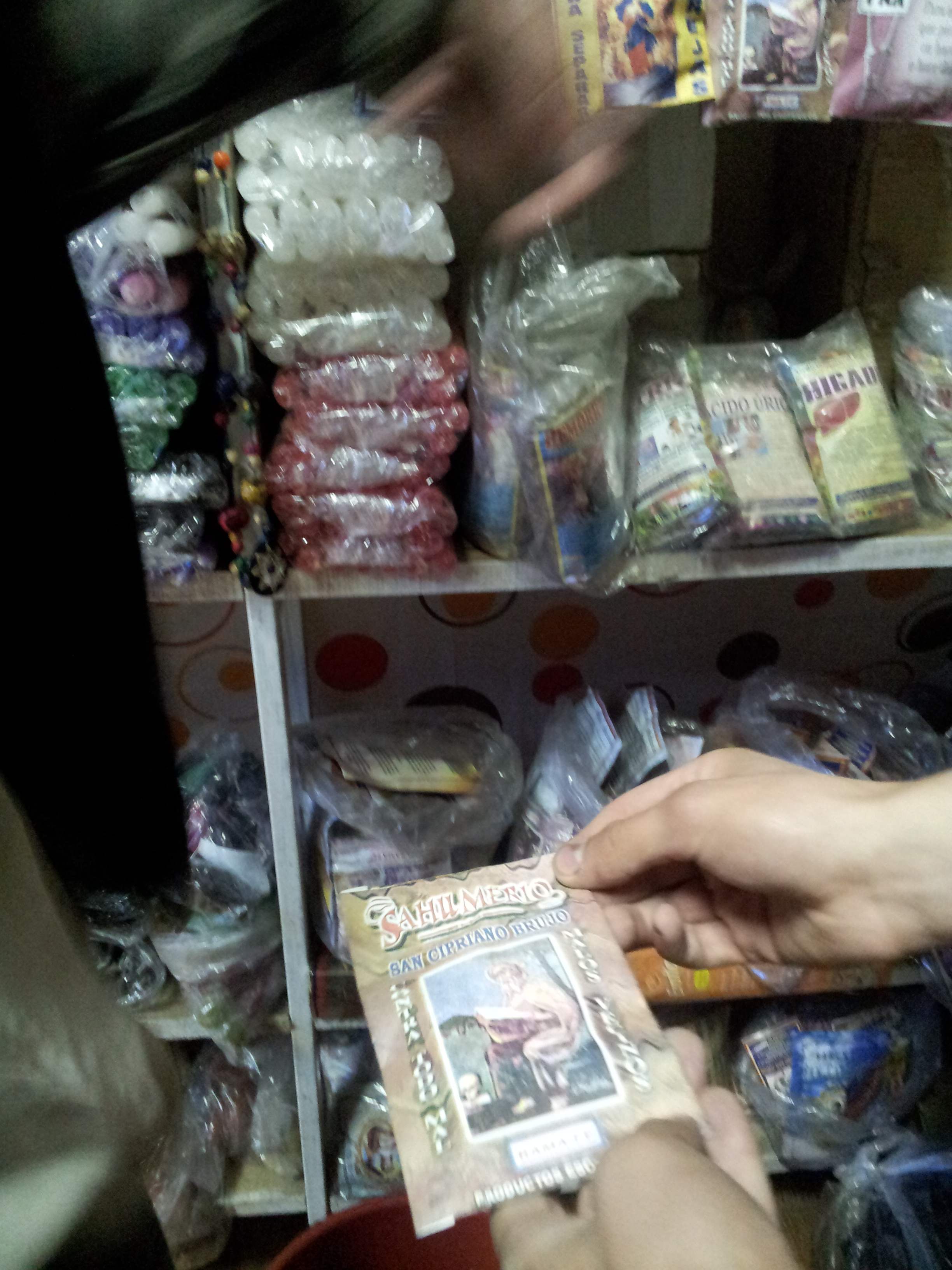
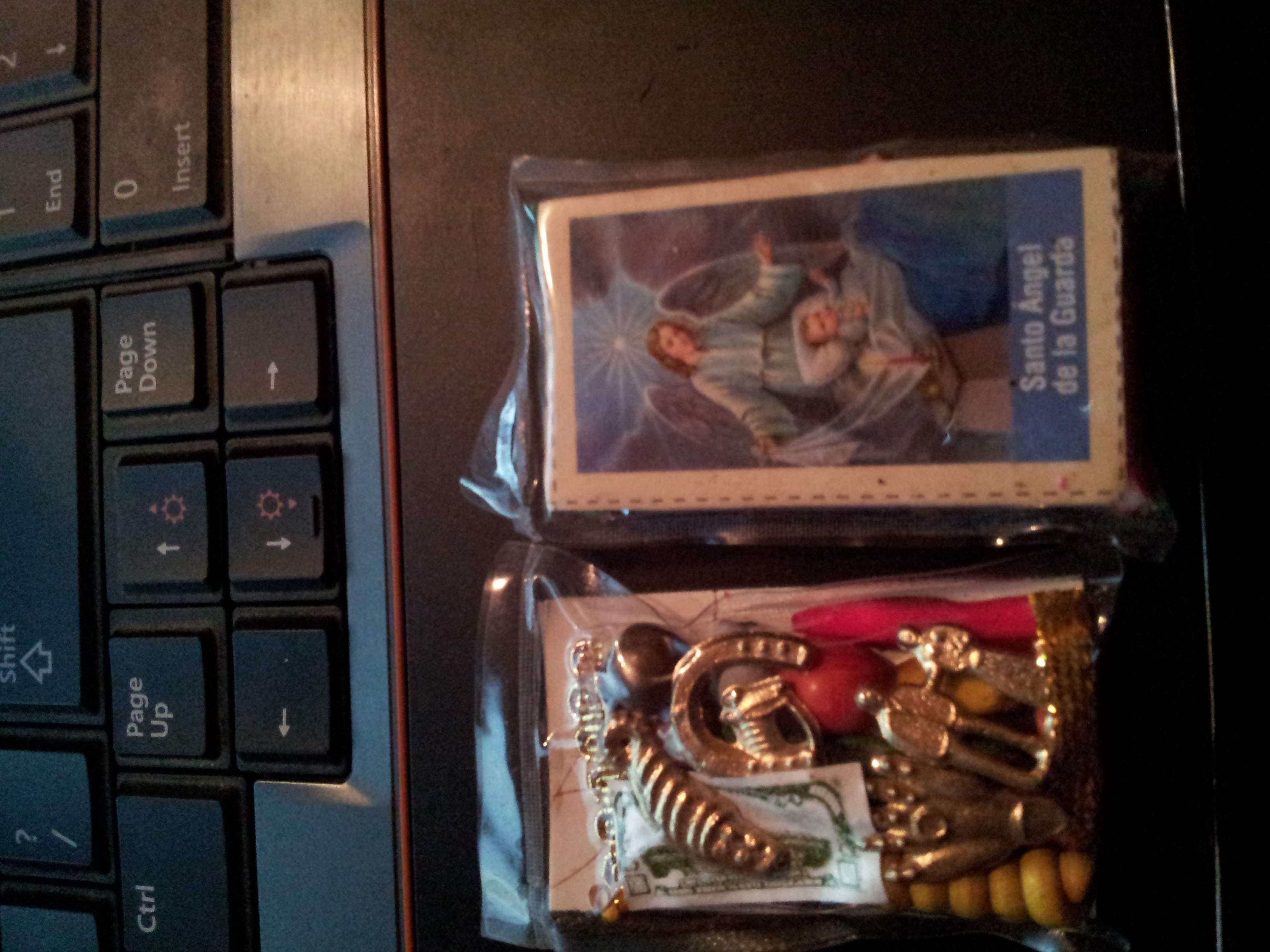
Bolivia’s traditional alcoholic drink is chicha, a whitish, sour brew made from fermented corn and drunk from a hemispherical bowl fashioned from a hollowed gourd (round-bottomed so you can’t put it down). Its very alcoholic and is sold by the glass from buckets all over the place. We didn’t try it. It always looked pretty disgusting, with something round floating in the bottom that I think was a pickled quail egg. Also it was more alcoholic than grain alcohol and morning seemed to be the time to drink chicha. You drank it there, no walking away with the glass, which was promptly refilled and reused.
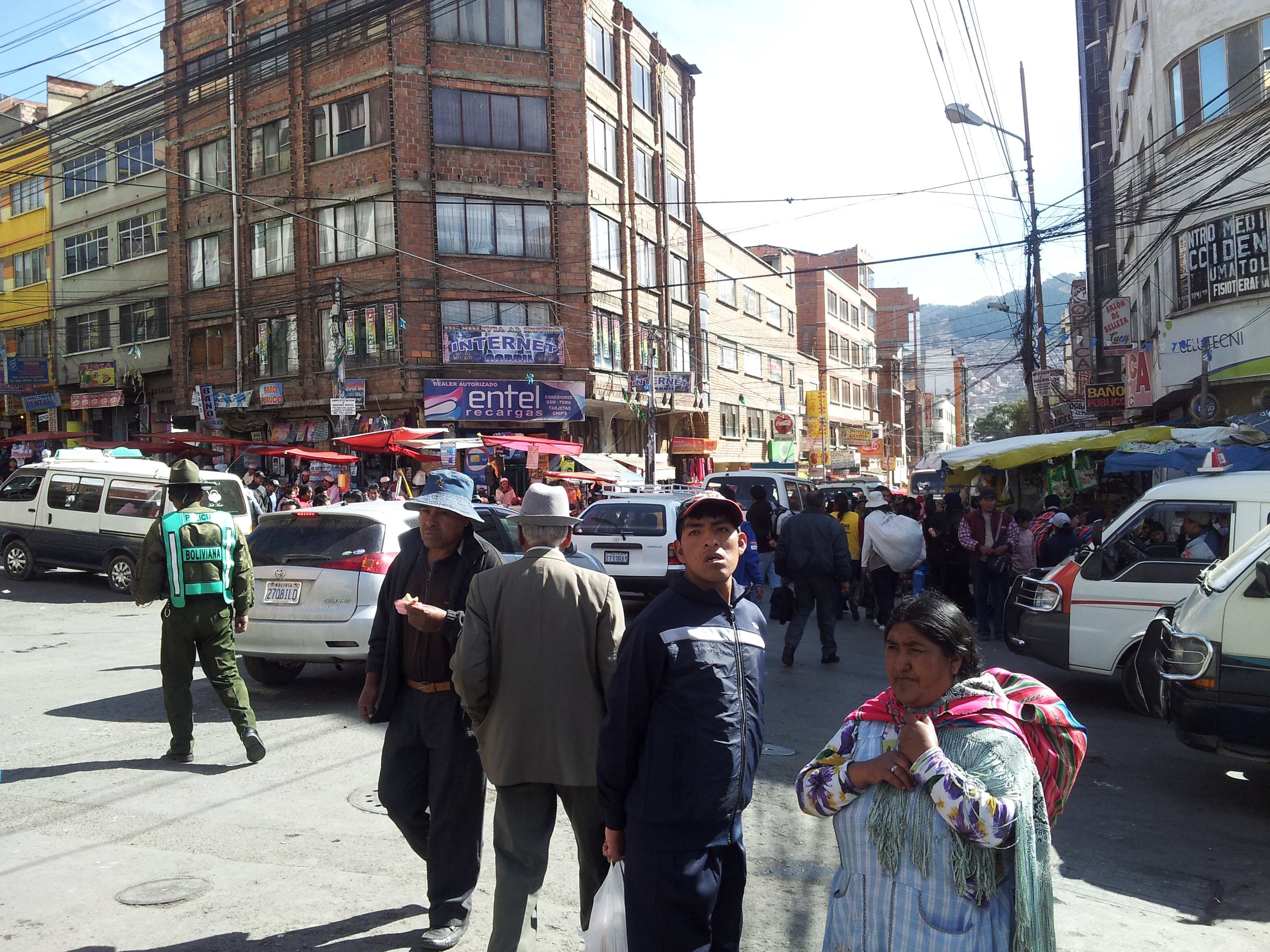
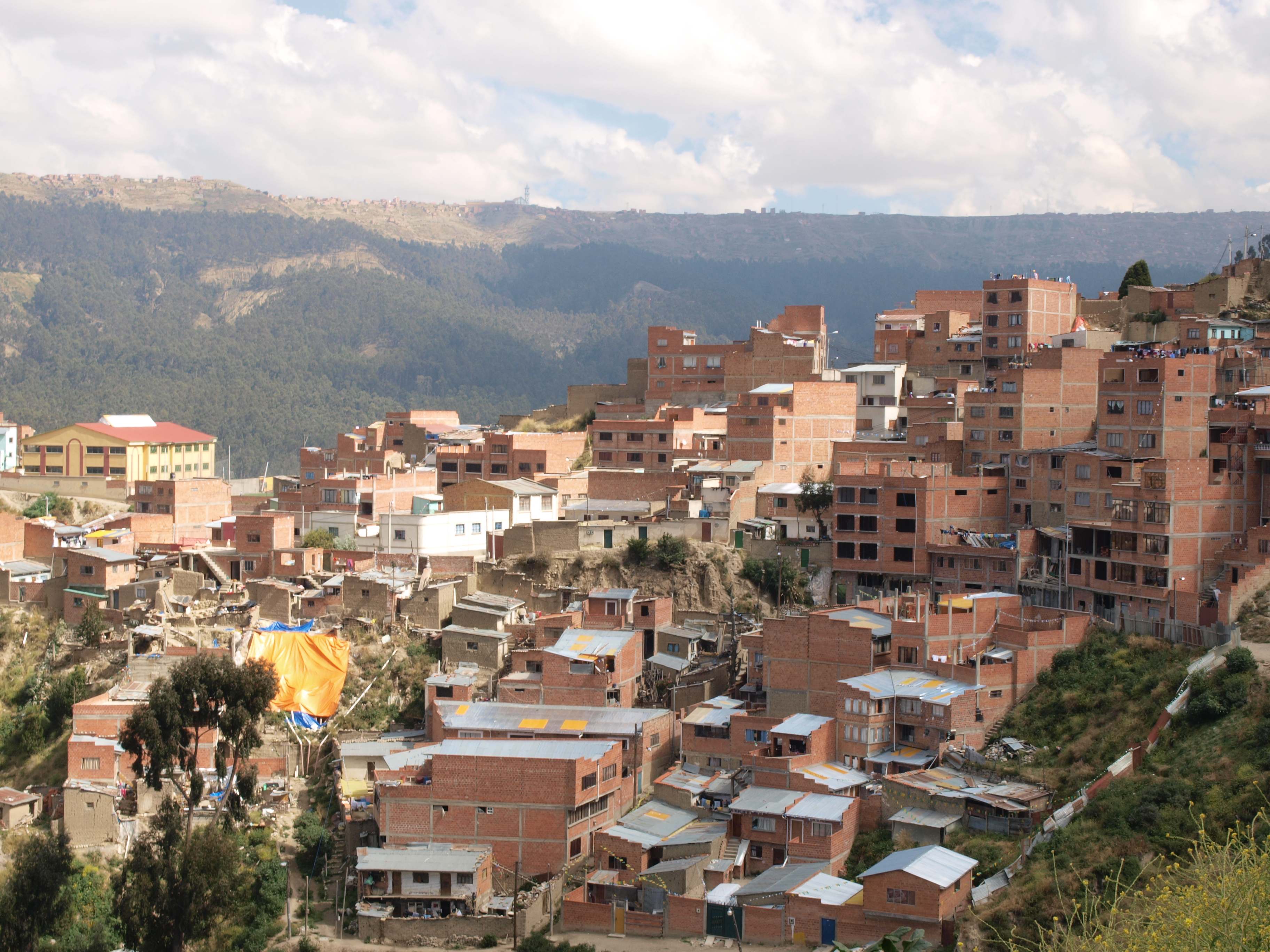
We hired a car and driver ($7usd an hour) to take us to the miradors (outlook) so we could have sweeping views of La Paz and get to see the area as La Paz is a big, long, valley. I will leave those photos for Ryan to post.
Like many parts of this trip, we really had just a vague plan for leaving. We had plane tickets from Juliaca, Peru on Monday evening. You may remember Juliaca from an earlier post, we drove through on our way to Puno and it was by far the worst city we visited on the trip. Julica has an airport because it is on the altiplano. Puno, an hour away, has no flat land for an airport. Our plan was to travel by bus from La Paz to Puno and spend the night, visiting friends and then take a collectivo to Juliaca and fly to Lima. And then… maybe get a bus to km 41 where our beach house is? The Lima airport is actually in Callou so km41 is really about 80km away.
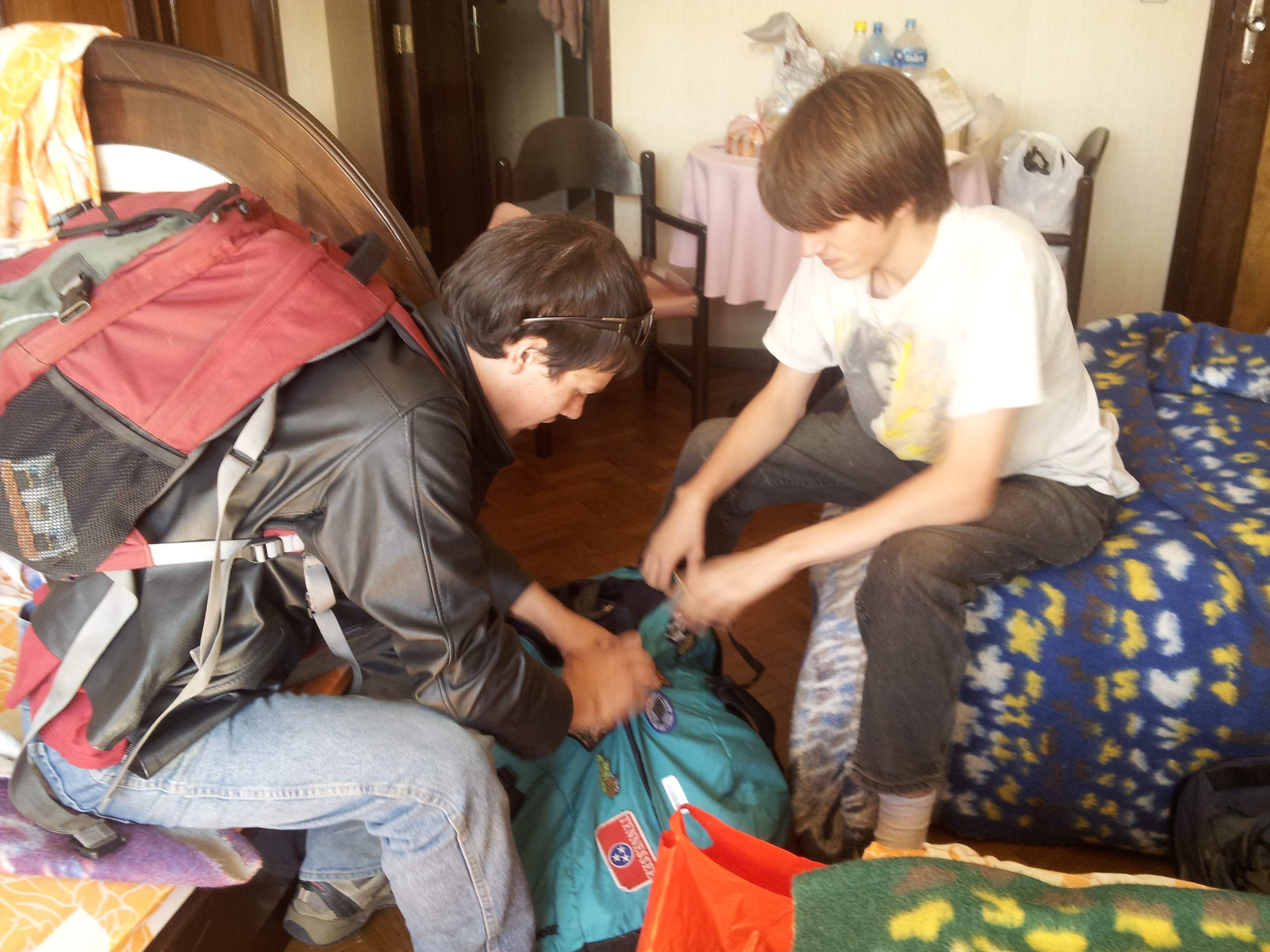
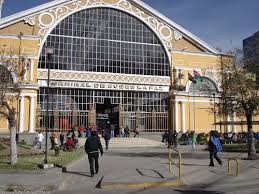
On Saturday night, we asked the hotel about leaving in the morning and they said it was too late to buy tickets as the tourist bus leaves at 8am, before the station opens. We decided to figure it out ourselves so we got up early and walked (uphill) to the bus terminal (which was another building designed by Eiffel as was the train station) and bought non-tourist bus tickets to Puno for $90 bobs ($12usd). We then had plenty of time as the bus did not leave until 1pm so we went searching for vegetarian saltenas (successfully!) and then bought a few last minute items (alpaca leather soles for slippers) and then headed back to the hotel to pack up. We checked out, our hotel bill wildly fluctuated being $210 when we checked in but ending up being only $184 when we left. We gave the hotel front desk clerk Noella our Lonely Planet Bolivia book (they had a really old one, 1984) and a Lonely Planet English phrase book that many people have coveted on this journey and now she and Ryan are Facebook friends.
We made a fast last minute stop at the grocery store as our experience in Peru led us to think that we would have very limited choices. We spent $57usd and stuffed our duffle bags with coconut milk, no-sugar-added tomato sauce, a lot of spices and seasonings, fine cheese and other items.
We left La Paz with a bag of vegetarian saltenas in our backpacks and our duffle bags filled with fine Bolivian chocolate, a bottle of Bolivian Riesling (there is a cult following of this wine as Bolivia does not export wine or chocolate), Bolivian cheese and gifts.
Our bus left at 1pm. We had to be at the bus terminal at 12:30. When we arrived, the woman we bought our tickets from told us we were in the wrong place – we needed to go to the bus STATION. So she grabbed a taxi and hopped in with us (!) and took us to the station which is in El Alto. She called the driver to make sure he waited for us. It was a very nice thing to do. And she paid for the taxi.
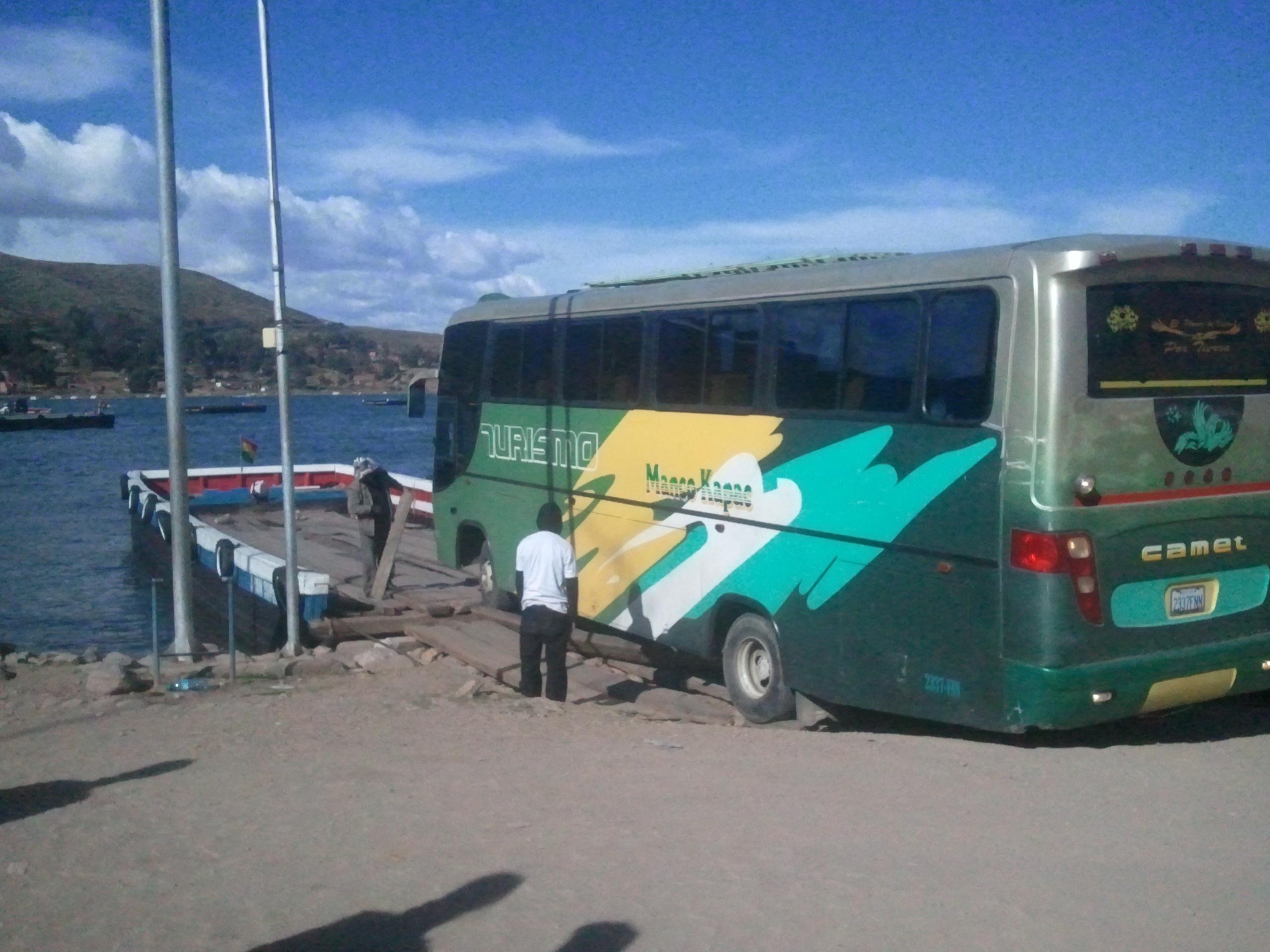
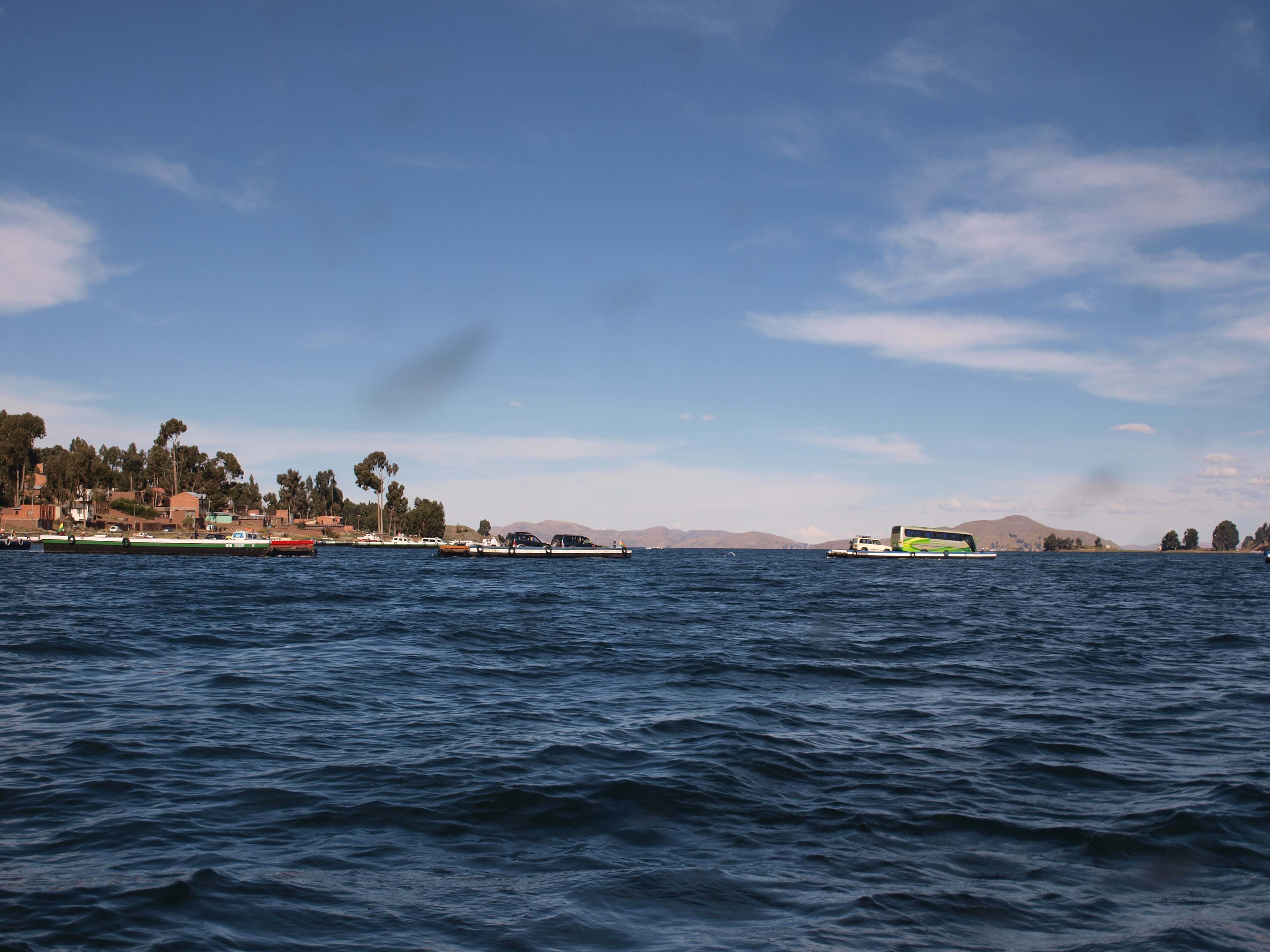
Jack and I sat behind a couple drinking chicha. After an hour, we picked up a smelly American who smelled like bad pizza. We had to cross part of Lake Titicaca where there is no bridge. The bus stopped and we all get off and the bus backs on to a rickety raft. The raft slowly floats across Lake Titicaca. The passengers get into an equally slow raft but it has a roof. We theorize this is to prevent a massive bus sinking tragedy where people are trapped inside. This takes over an hour.
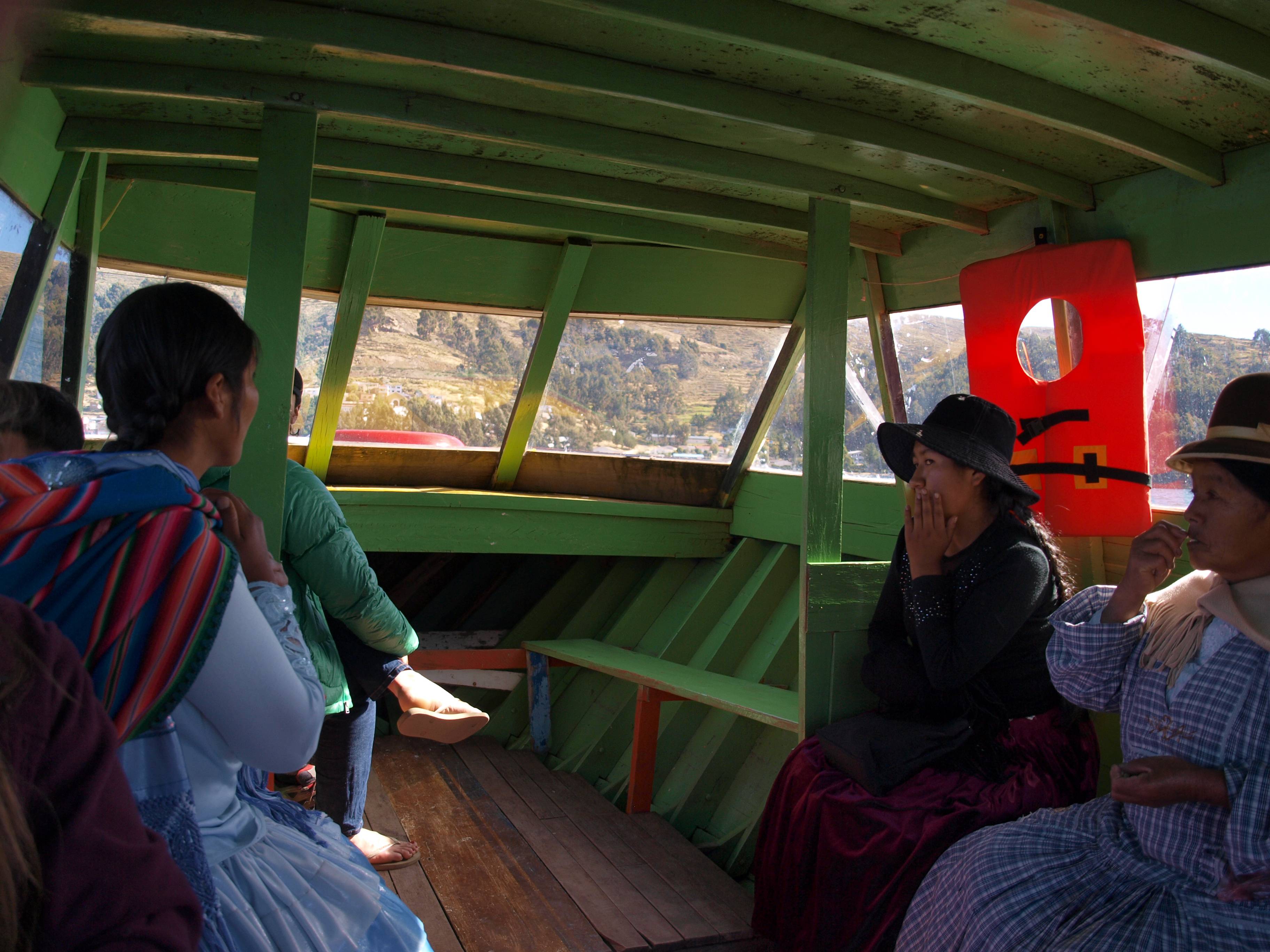
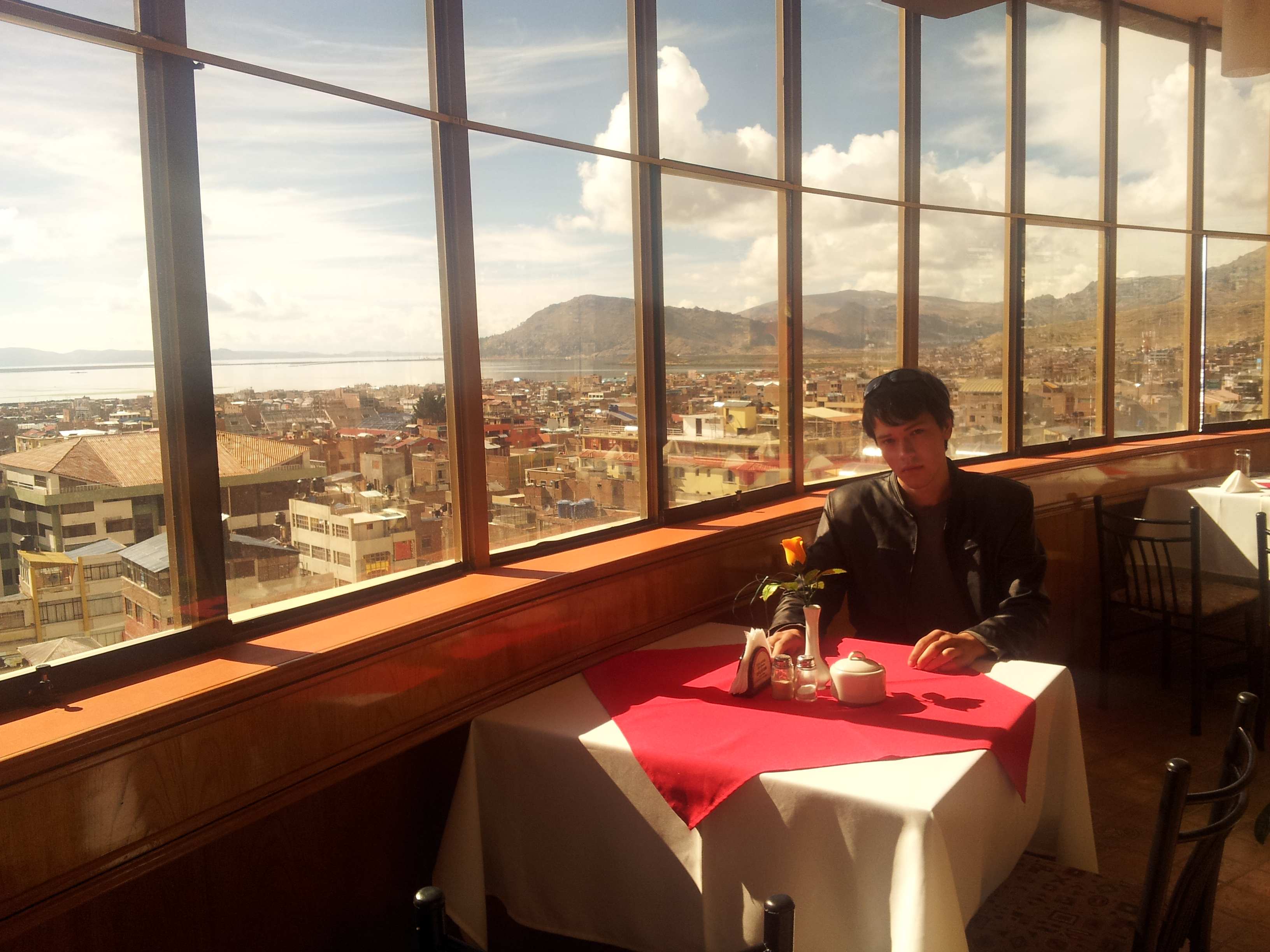
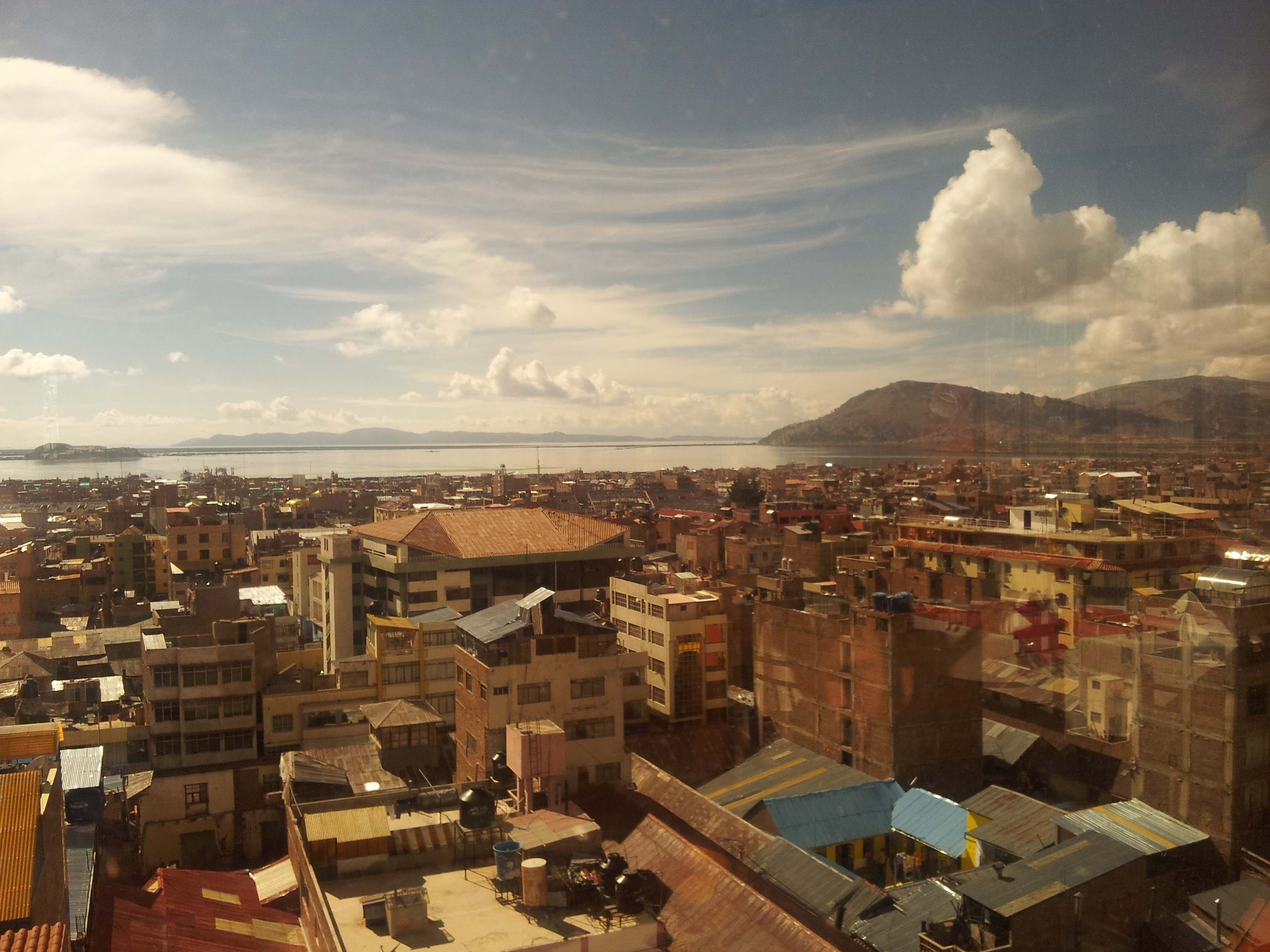
We arrived about 5pm in Copacabana and it was AWFUL. It was some kind of festival day, or perhaps just Sunday, cannot really know as everyone, EVERYONE was completely staggering, vomiting, lurching, peeing themselves drunk. Dogs and babies ran everywhere. The Plaza de Armas was covered in broken glass bottles, garbage, dirty diapers, and even less attractive items containing bodily fluids. There was a public bathroom in the square and for 1bob each, we all went inside. Men peed everywhere in the square, which was cement, so there was literally a river of urine. The women’s bathroom had women so drunk they could neither close the door nor manage to hit the toilet. There was also quite a lot of blood. Blahhhhhhhhh. We went to our bus office and there was a mistake on our ticket. The kind woman who took us there in a taxi had filled the ticket out wrong and put the wrong time on it. The Copacabana bus office said we had to wait until tomorrow. Ryan came back and told me this and I looked around at the dogs eating dirty diapers and the cholita ladies fighting in the street and walked over to the bus station and begged them to let us go on the 6pm bus. And they did! We went on a tourist bus which means it was filled with only tourists, kind of a unique situation for us. We took our seats and the bus filled with Germans, Austrians and Dutch folks. The seats were off by one number (ABC – JLM, no K) and none of the Germans could deal with this. A Czech couple got on the bus and found Germans in their seats and a huge argument ensued. The bus driver had to settle the argument but the Czech couple spoke no Spanish and no English (truly the universal language!). We drove for an hour and the bus stopped and we all got off and went through customs and exited Bolivia. We exchanged some money (USD and Bolivianos for Peruvian sols, we still had some Chilean pesos to exchange) and walked across a bridge into Peru where we were stamped into Peru and got on the bus and drove to Puno. We arrived at 9pm and stayed at a lovely hospedajea near the centre. Jack was not feeling too good so in the morning, Ryan and I went to the tower hotel / restaurant Qalasaya where we used to hang in our Puno days and were again the only people there. We had Nescafe and a stunning view of Lake Titicaca.
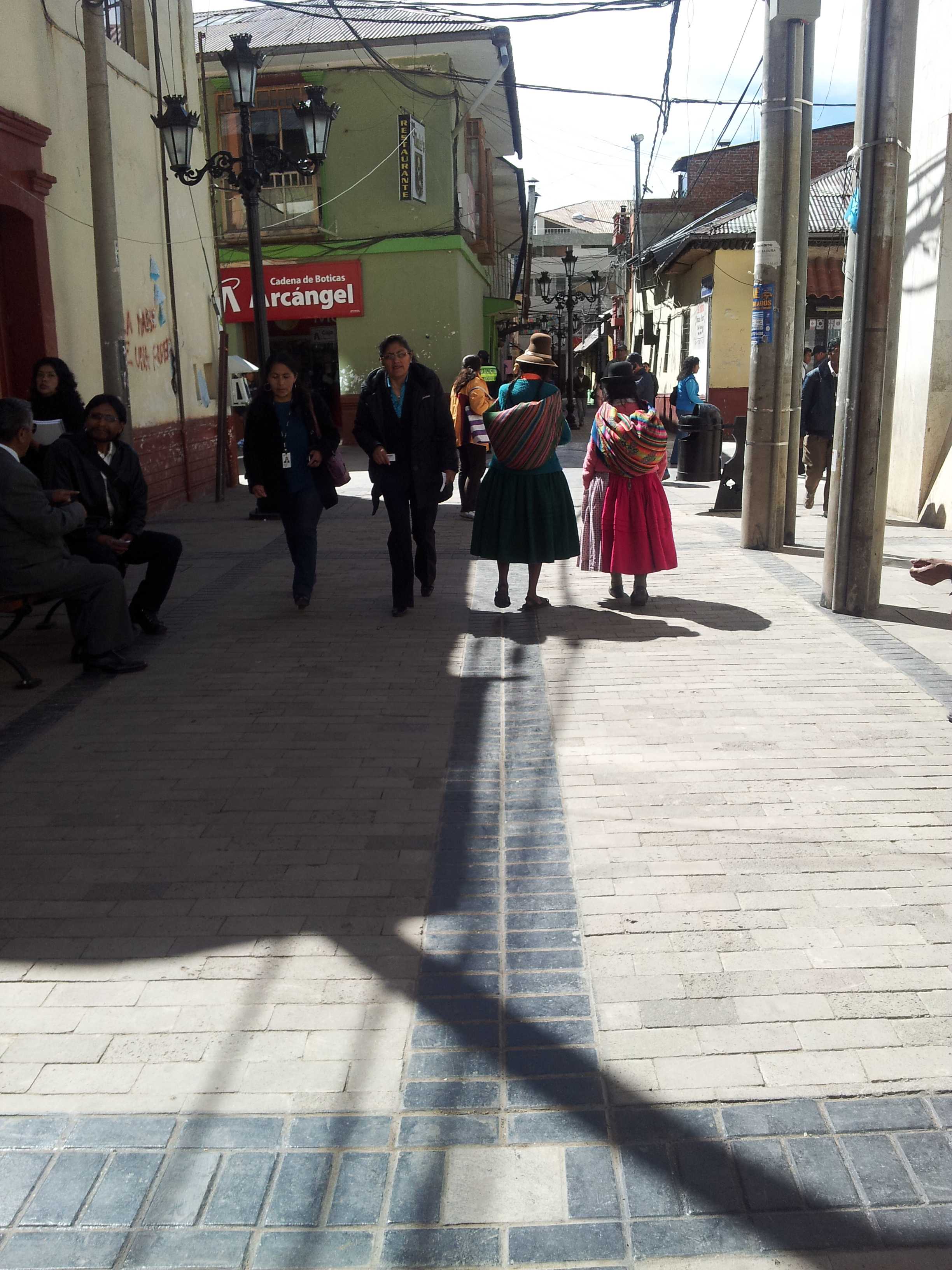
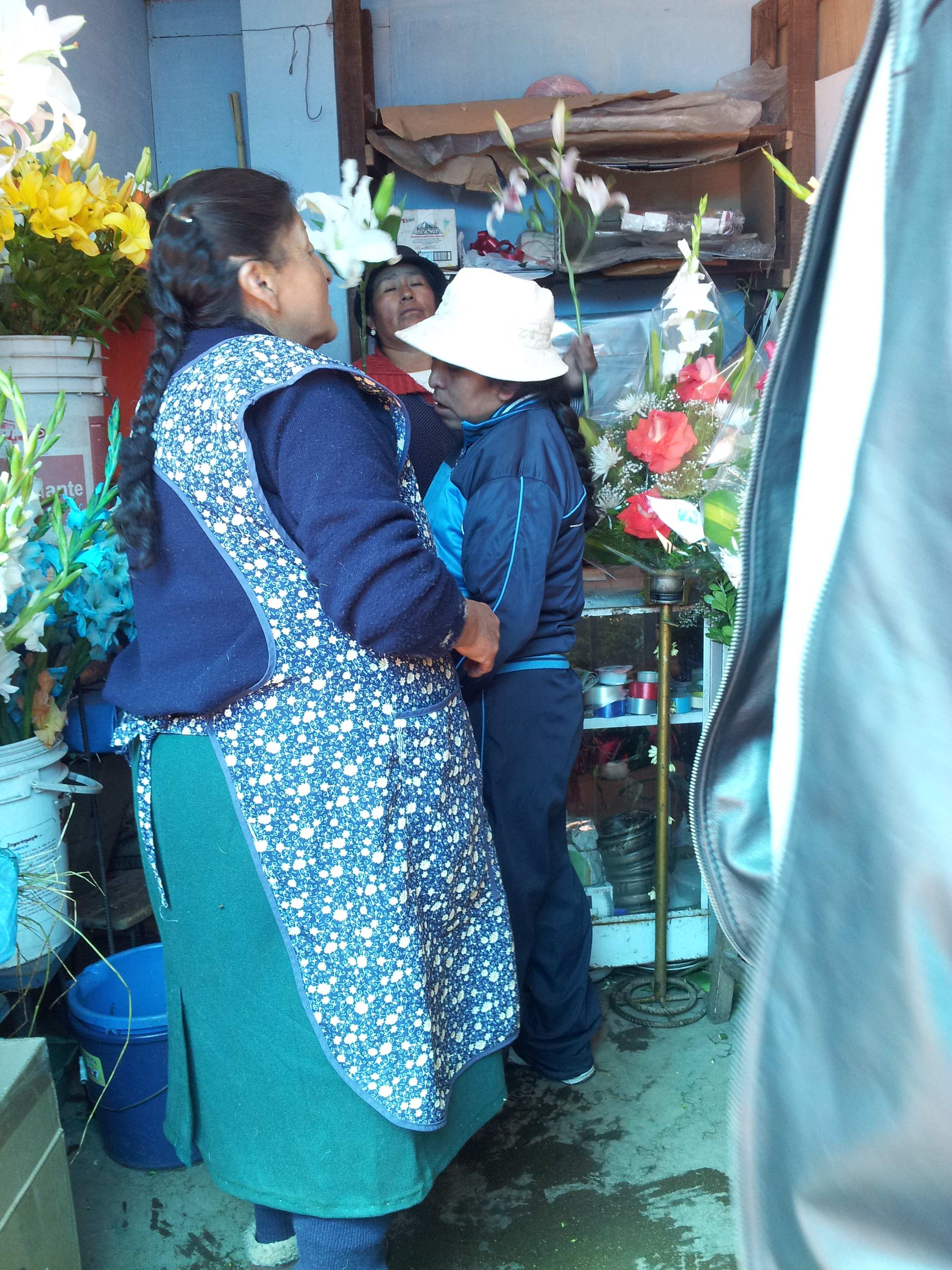
We wandered around Puno and bought a few last things that people wanted but we did not buy when we were there – a sweater for Annabelle, a shawl for Sylvia. We have not been very big on souvenirs this trip so I wanted everyone to have at least one thing they wanted to have. Then we caught a collectivo to Juilaca. A collectivo is a collectively owned minivan that holds at least 15 people with seats. Luggage goes on top under a stretchy net. The collectivo was 3 soles each (about $1.15usd). The tourist bus was $15usd each. The collectivo drove around Lake Titicaca as the sun set on the Andes peaks and the altiplano, a beautiful drive. It was dark when we arrived in Juliaca and there were no taxis. You see, Peru has few taxis as most people use and drive motos. A moto is a motorcycle fitted with a passenger seats and totally tricked out with LED lights, batman decals, antennae, dingly balls, pictures of Jesus. fringe…
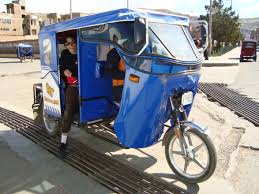
You cannot fit our bags into the moto. We would have needed 5 motos. We were holding out for a cab. Four different people cam and told us to watch our stuff as it was not a good neighborhood. Great news. I told Ryan to go ask someone to call us a taxi while I stood guard by our bags. Not too long later, a taxi arrived and took us to the Juliaca airport where we caught the LAN plane to Lima. We arrived in Lima and negotiated a taxi 82km to our beach house. Mark was waiting by the gate and we hauled all our gear to the house. And that is the end of our Bolivian Adventure!
]]>
A little of a let down after being in Chile for so long. No more clean places and such.
The first day here was spent getting comfortable and helping Mother, Ryan and Jack to get ready to go to La Paz.
The next couple of days were spent recouporating from our airport shanigan.
It was all very chilled and Dad went out to get hotdogs. We cooked them about was about to eat them when we made the startling discovery that the hotdogs were wrapped in plastic wrappers.
Ah, Peru.
So father used a butter knife and attempted to scrooge the hotdog out in little clumps until we had a big plate of shredded hotdog and made sandwiches.
Luckily, the adjoining nights were better.
The pool has been getting used frequently. Sylvia seems to enjoy getting out, taking a shower and getting dressed then deciding to get back in.
Yesterday we checked out the beach and discovered that it was at the bottom of a cliff/steep hill. There were locked gates and such so we have yet to go there.
We explored the neighborhood a bit, walking about a mile to the nearest ATM. It was pretty much the same; restaurants, one fancy restaurant and a barren strip of dirt between the roads. How pretty and photogenic it was.
Ryan, Jack and mother got back last night and brought me a wonderful leather jacket. It wasn’t the original one they had shown me, which was garishly red and has a horrible fur collar. It was apparently a joke. Ha. Ha.
They also brought back several bars of Bolivian chocolate, which was quite delicious, some oven mitts that father got endlessly excited over and other things.
Now that they are back, I’m sure adventures shall start soon…
Jennah
]]>Smoking kills you. We all know that, right? So if you’re smoking, you should stop. I remember flying from New York to Fairbanks (and vice versa) on a Pan Am 747 . It was when smoking used to be allowed on planes. I hated that. I remember going to the Golstream Cinemas when there was just two theaters and smoking was allowed. I hated that, too. Besides my little commentary here, I don’t give smoking a lot of thought.
I certainly didn’t give smoking a lot of thought in South America, that is until we got to Chile. I don’t really remember anybody smoking in Colombia or Ecuador. There must have been some. I just don’t remember. I do remember that almost no one smoked in Peru. I thought that was interesting. I thought maybe it had something to do with the altitude, of the cost of living. Then we got to Chile.
In Arica, the northernmost Chilean town, a lot of people smoked. I was such a change from 25 miles to the north. It was a little shocking. Especially seeing 14 year girls in school uniforms smoking. It was a little strange.
There was a lot of nothing in northern Chile, including people, so there wasn’t much smoking going on. Then we got to Santiago. Wow. EVERYONE smoked. I mean EVERYONE. There was one time we were driving down a street through a medical college that was on both sides of the street. The two lanes of traffic in the street were divided by a green strip in the middle, with benches and trees and such. It was some sort of break time, and there were like a thousand or so students on both sides of the street and in the middle smoking. The air was hazy with smoke, like a really smokey bar. It would just pour in the windows of the van. It was unbelievable.
It was like this regularly in Chile, tons of people in public places smoking like crazy. If you have stock in tobacco companies, have no fear. You’ll be doing fine. Michelle and I went out for a date to a Jazz club while we were in Santiago. There were four No Fumar signs on the door. We walked in and it was pretty smoky. This turned out to be because they had a smoking room, with no ventilation. At one point, all 20 people in the bar, including the musicians and bartenders, were all crammed in the little room smoking.
Now this is not intended to be some rant on smoking. I just cannot describe the amount of smoking that goes on in Chile. You would not believe it. And I though it worth mentioning. Oh yeah, don’t forget, smoking kills you, so stop.
]]>
Or, like Scuffy the Tugboat: there is only one way to go and that was with the rushing river
On Friday, April 26, we sold the camper. The man who bought it did not have a vehicle big enough to tow it so we towed it to his work, which was a well drilling company, and spent two more nights in the camper.
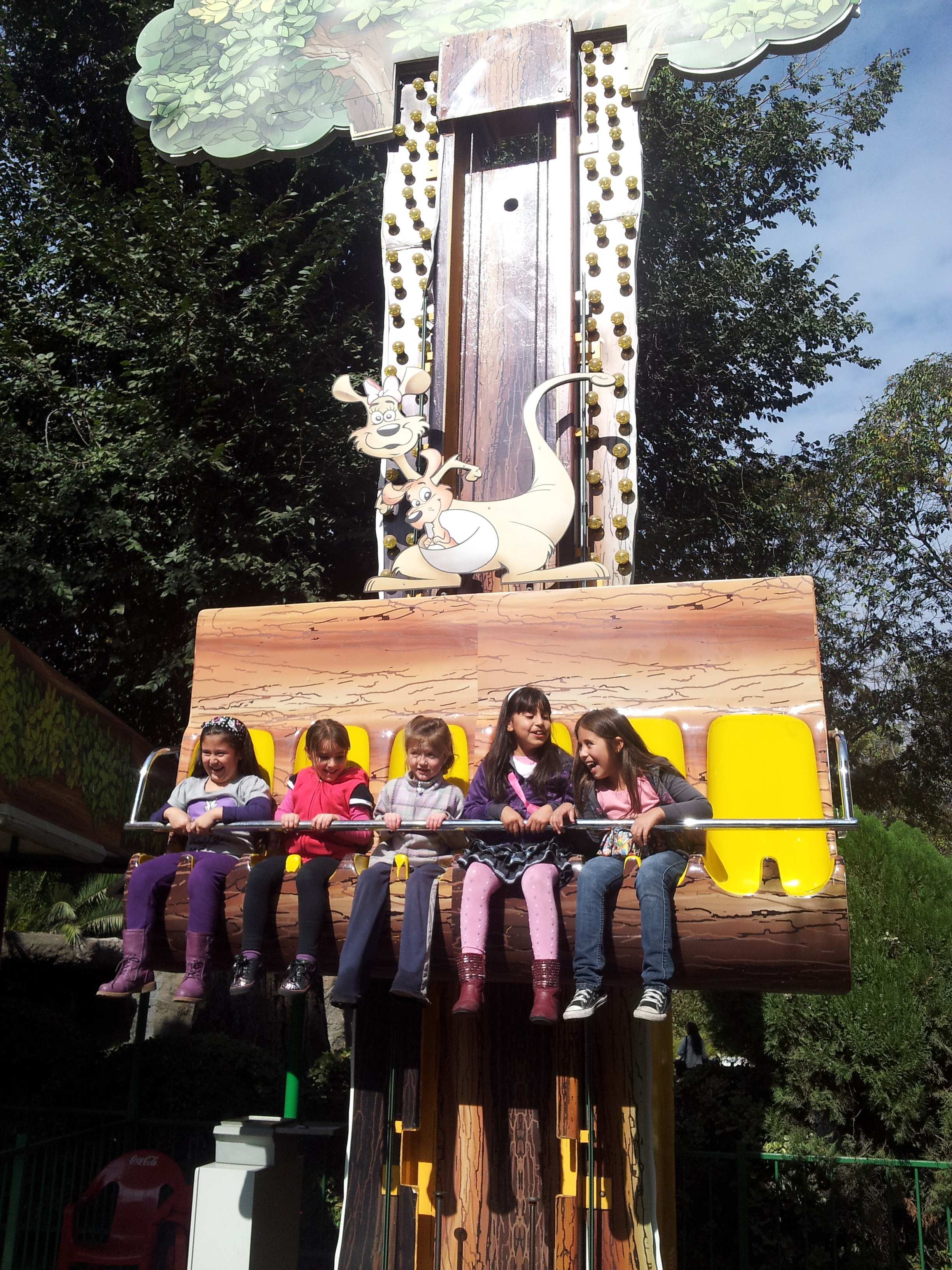
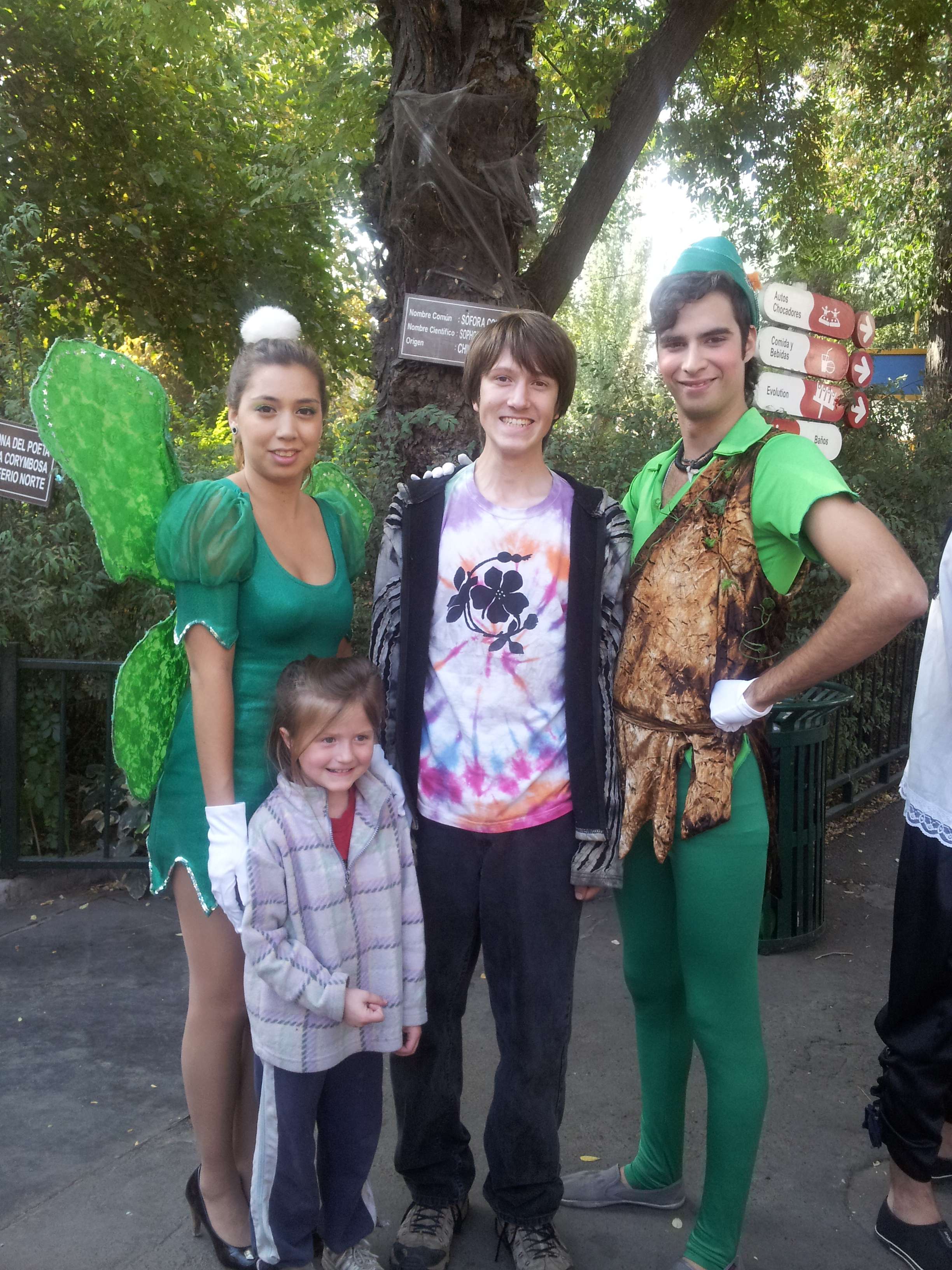
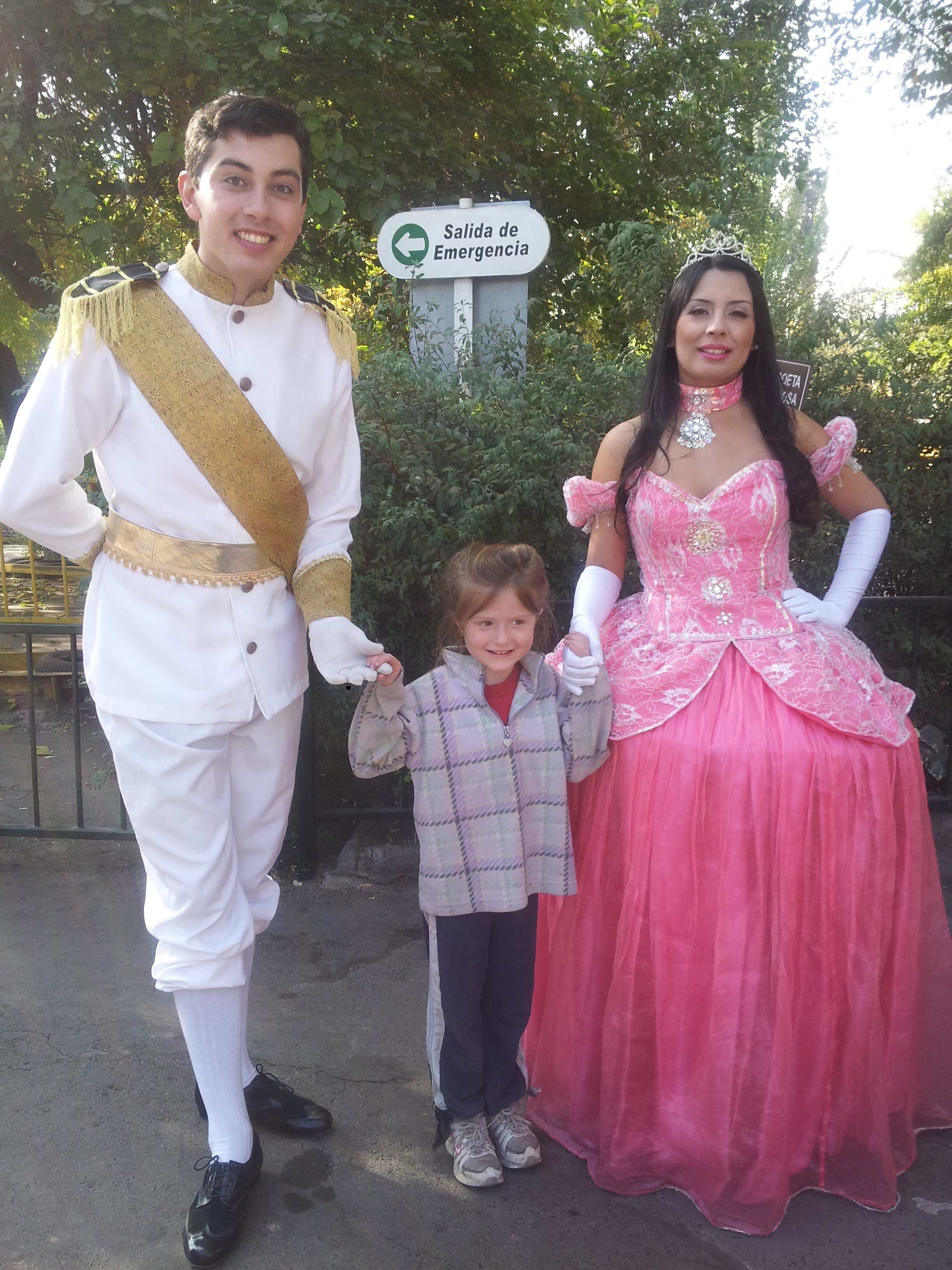
On Saturday, we went to Fantasialandia! Fantasialandia was a great amusement park that was modern, clean, had fabulous rides and there were NO LINES. We rode rides, had ice cream, generally a fun day.
On Sunday, we began the task of leaving. Everything came out of the camper and the van. We made four piles – trash, stuff to give away, things we were shipping in the van and what we needed for the last month in South America.
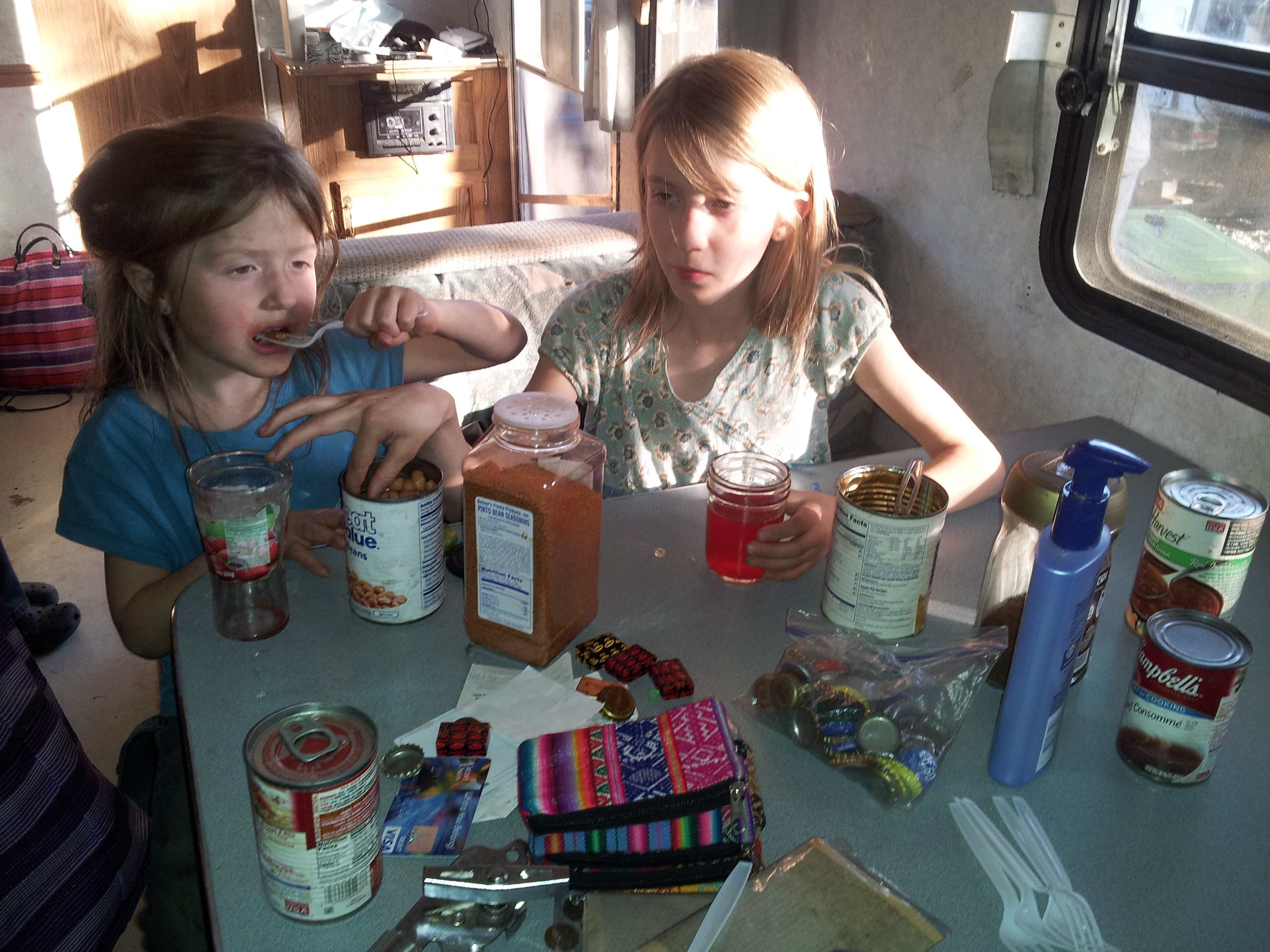
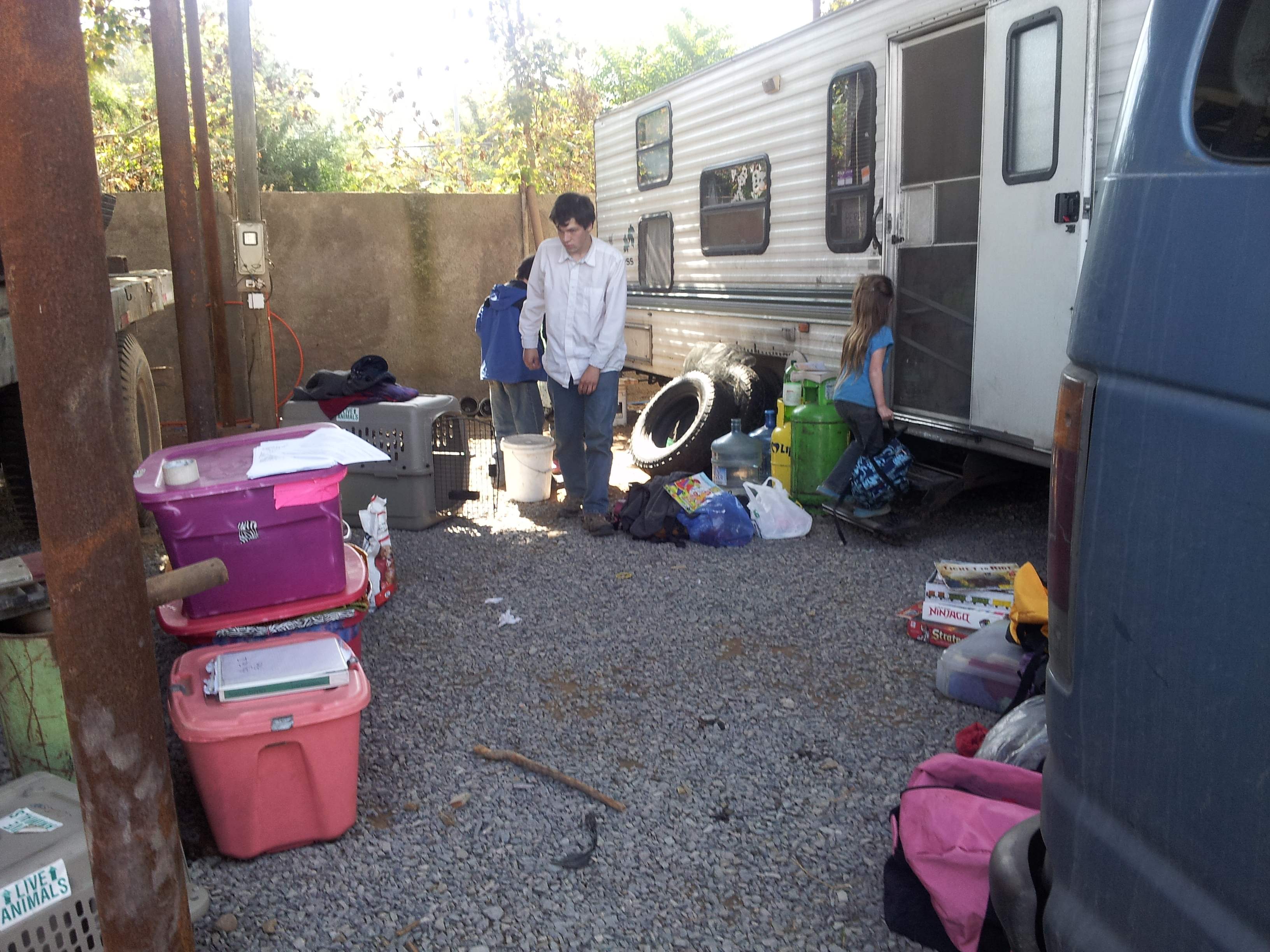
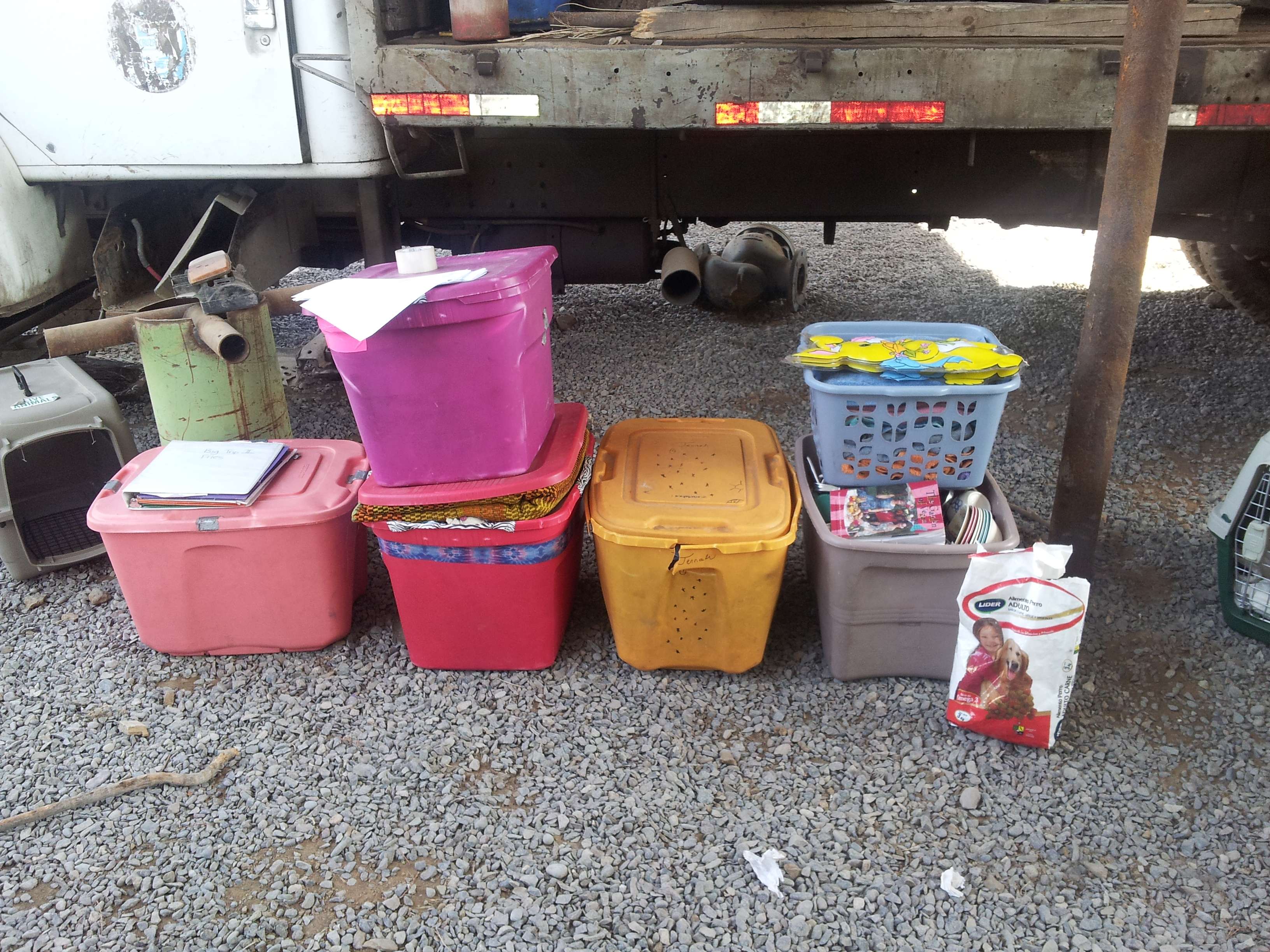
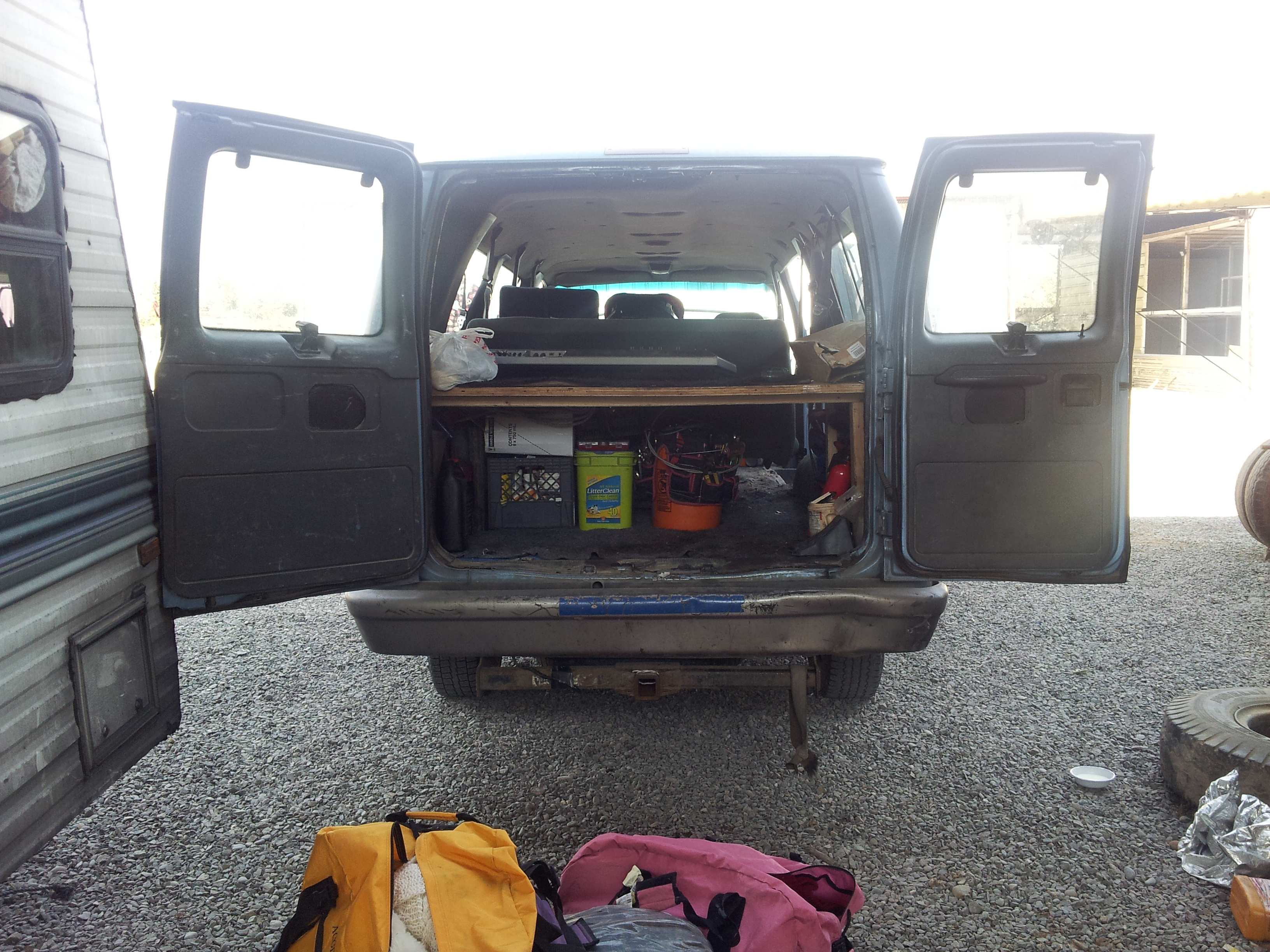
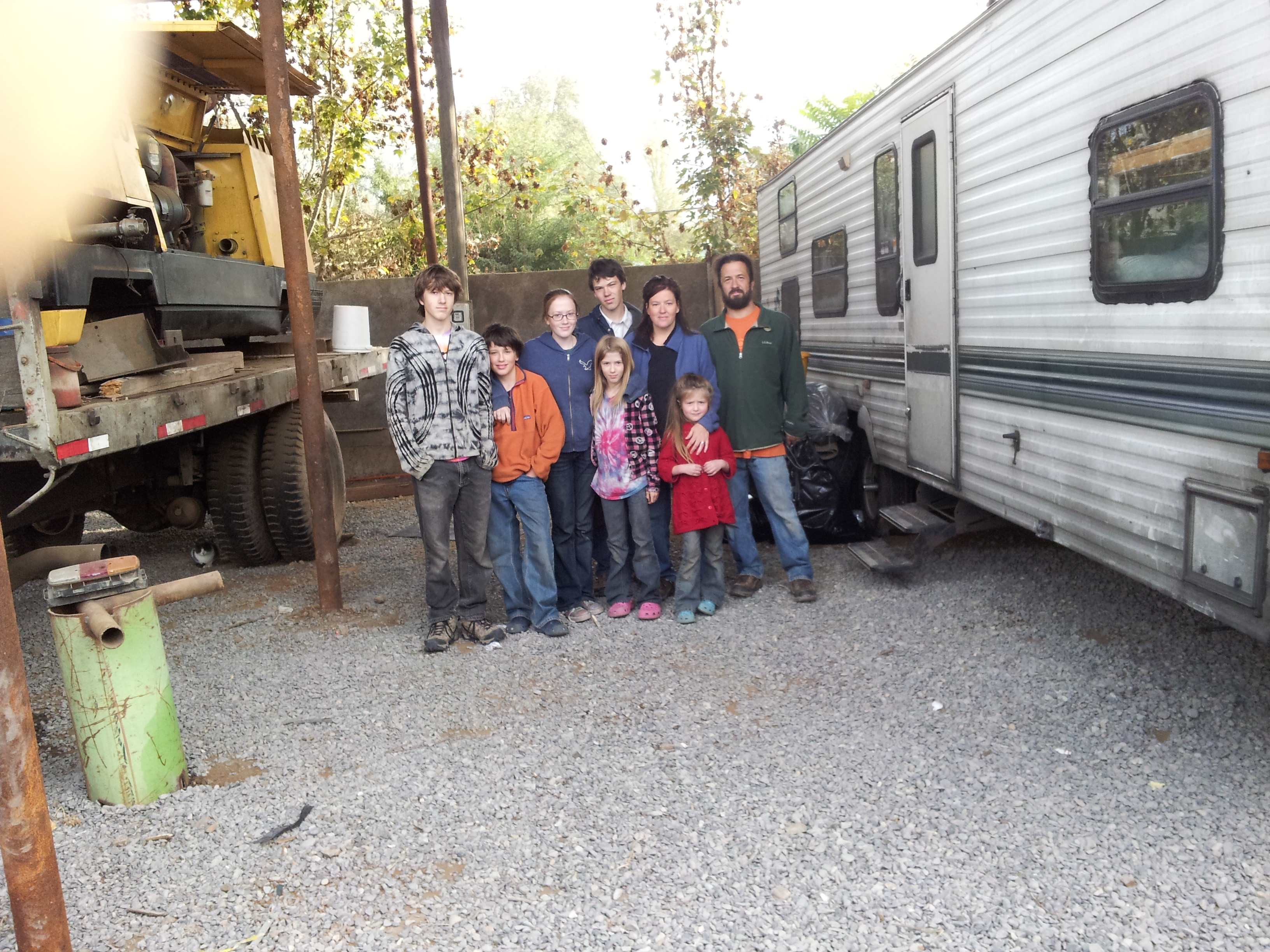
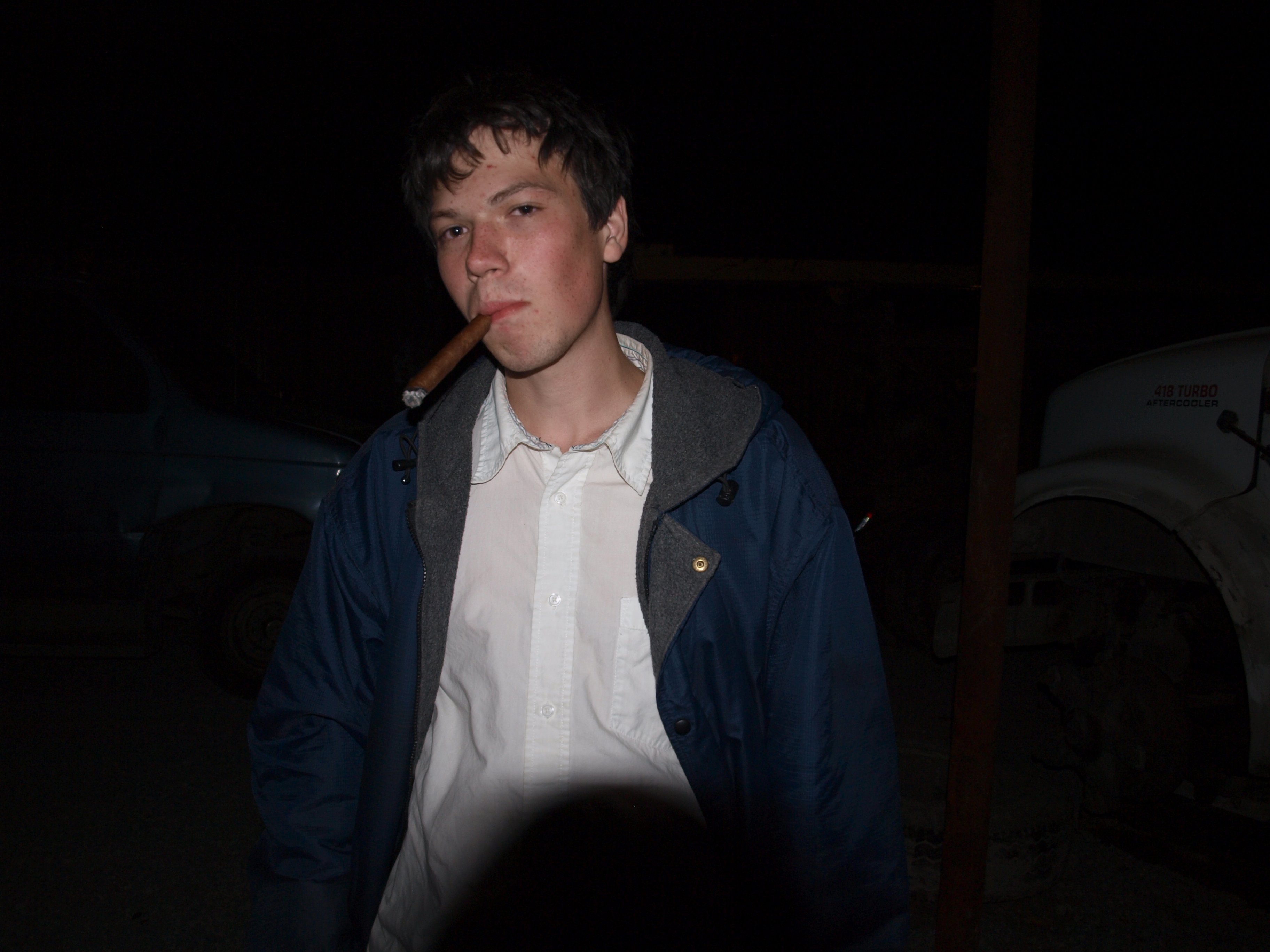
After a very long, long day, the van was packed up and the camper was empty and 8 different colored LLBean duffel bags were stacked outside. We went to town and bought champagne and ramen and a cuban cigar for a celebratory dinner!
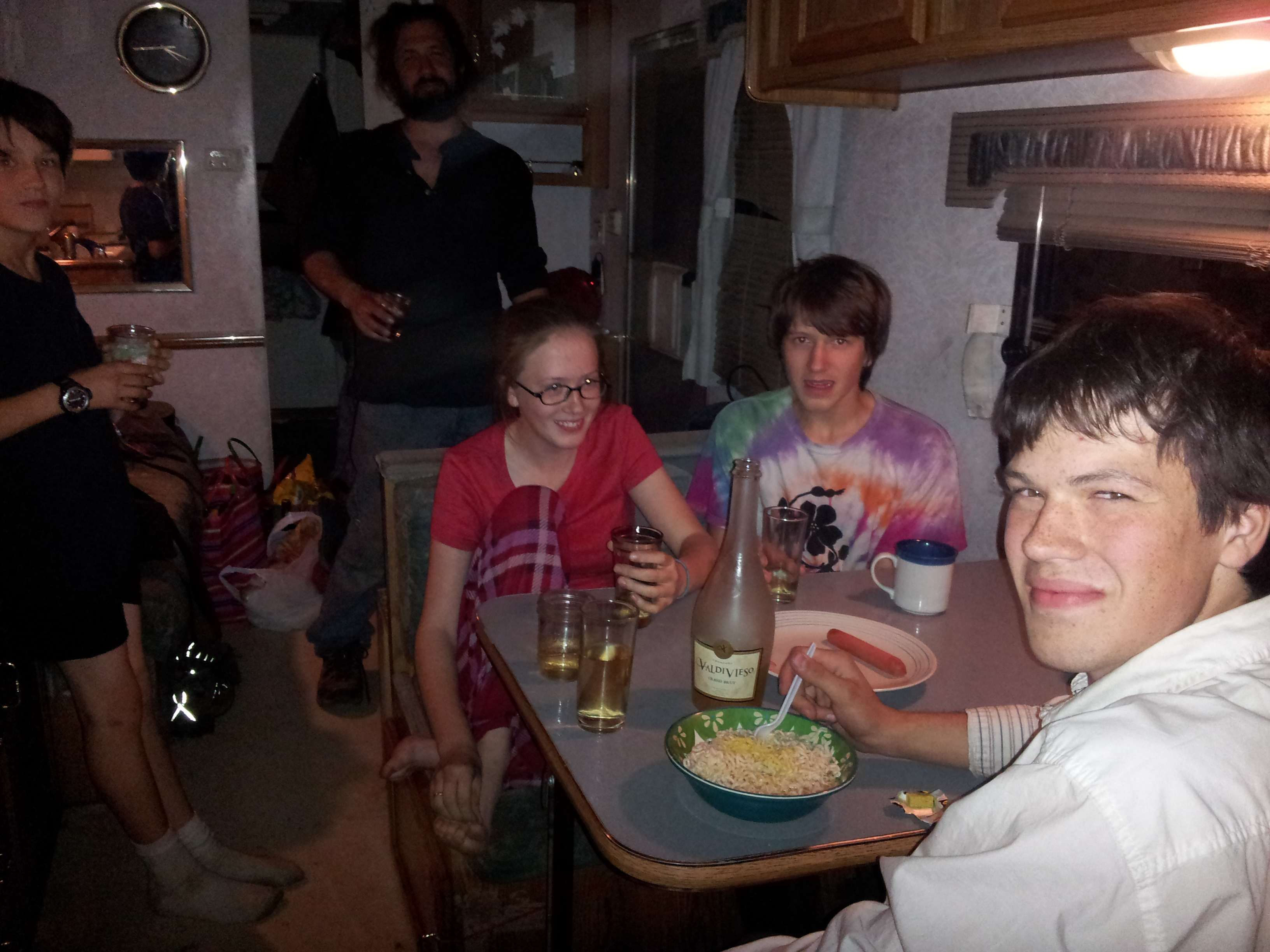
and even Ryan is smiling!
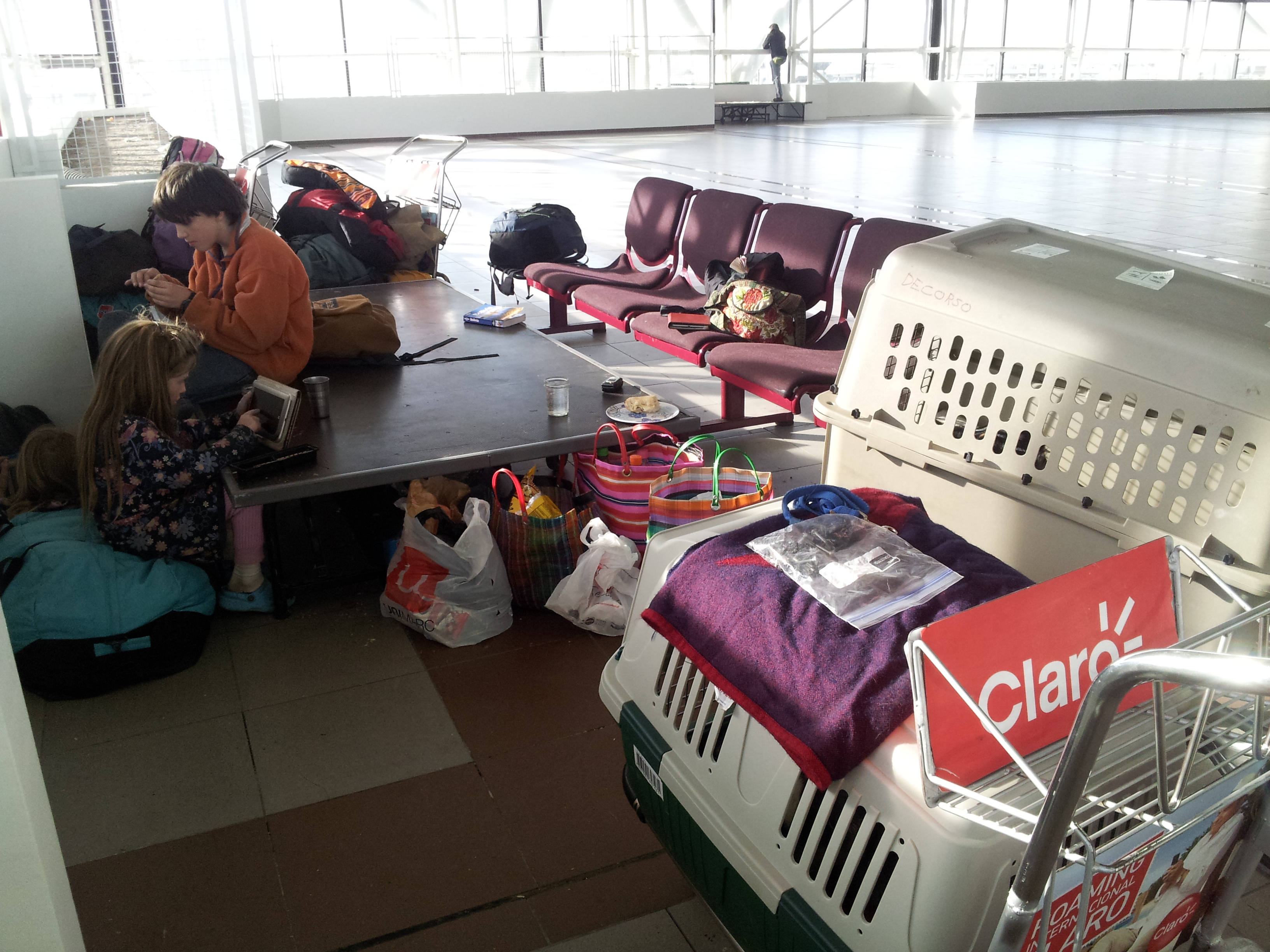
The next morning, we packed up the van with 8 duffle bags, 8 carry on bags, 2 dogs, 2 dog kennels and 8 people and Mark dropped 6 of us & 2 dogs off at the Santiago International Airport. We had done some recon there a few days before and Jack had picked out a place that was tucked away in a loft with a wide open space and no people. We had some kind of flatbed thing as a table and 6 seats. It was perfect. We carted all the stuff, dogs and children to the spot and promptly made a fort of duffel bags and hung out. We played travel Monopoly, Quibbler, Memory, Magic and Boggle. We colored. We played with little cars. We played Mother May I and Red Light/Green Light. We had a picnic lunch. For 17 hours.
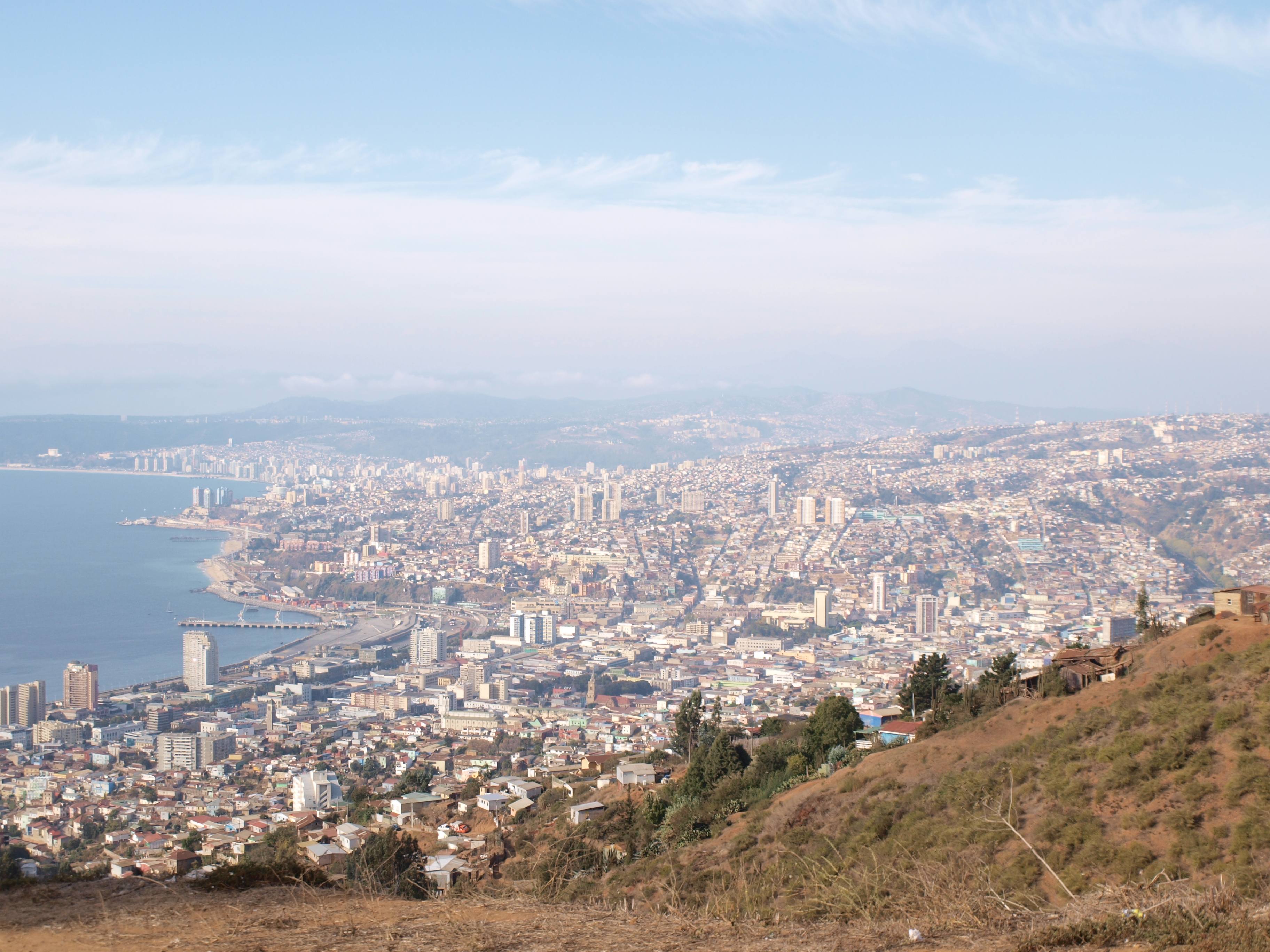
Meanwhile, Mark & Ryan went back to the camper and loaded 8 plastic tubs + all of our blankets Shana made us into the van. They drove to Valparaiso to meet with Sergio, our freight forwarder. They spent some time doing paperwork and then drove the van to the staging area so it could be loaded into a container. The city is built around the shipyard in Valparaiso but the logistics part is through three mountain tunnels on the other side.
The van was supposed to fit in the container with less than 3” to spare wide and 1” to spare on the top (with the front bumper and light removed). But of course we didn’t really know as we have never driven the van into a container. At the shipyard, the men didn’t think it would fit.
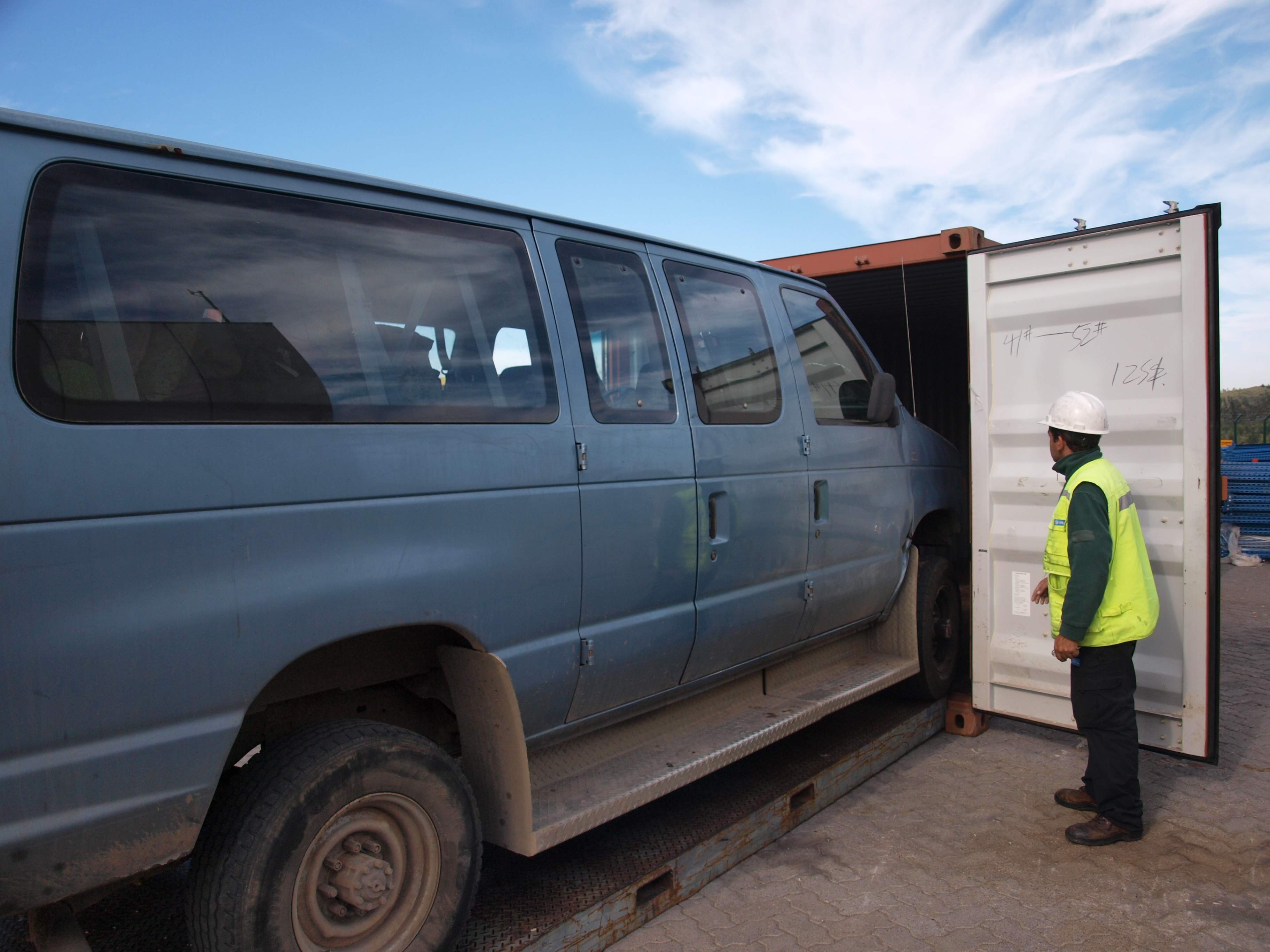
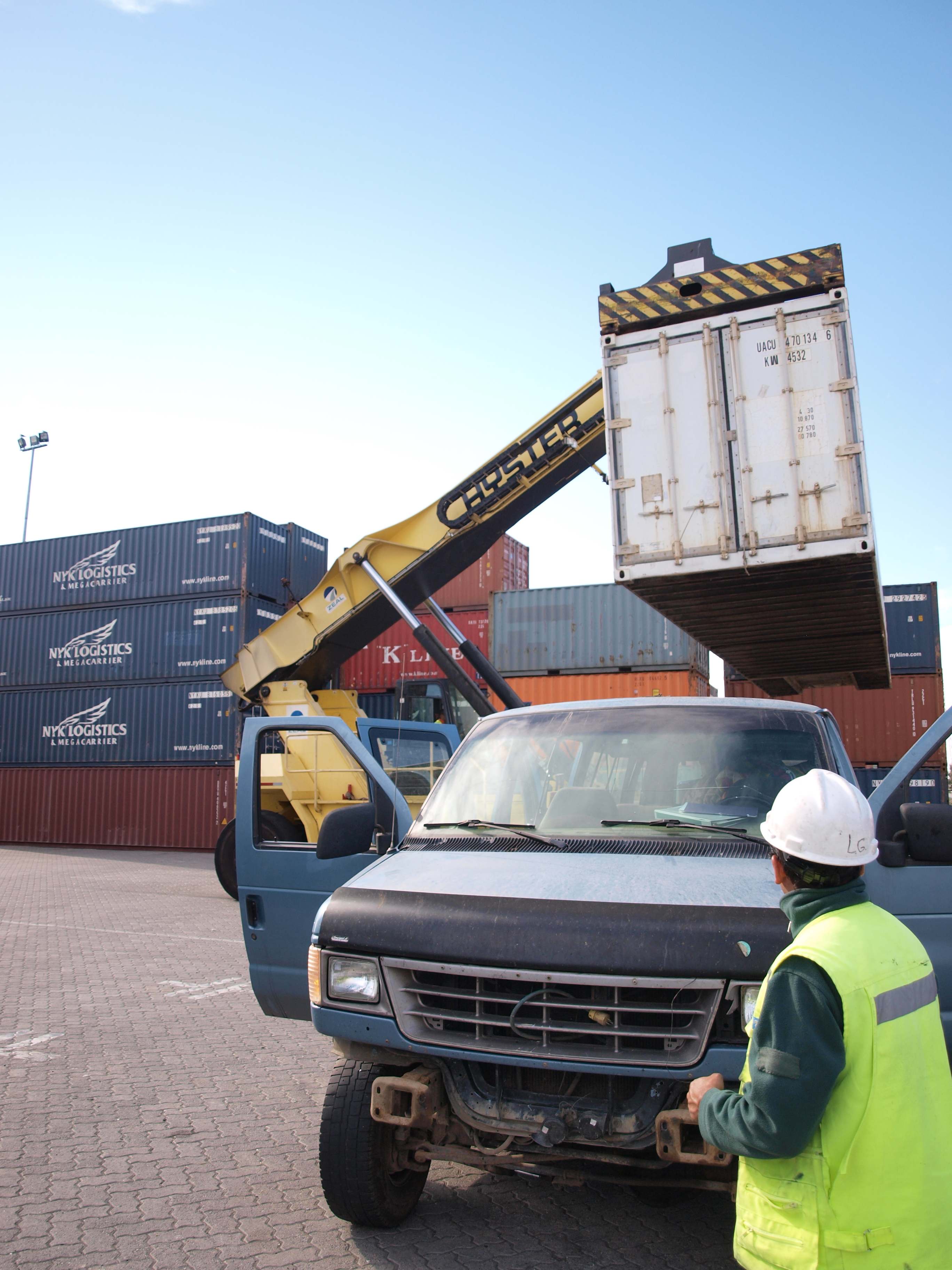
There was a lot of measuring and then they got a ramp with a long straight run so the van would not hit the container at an angle and Mark drove it in – and it fit!
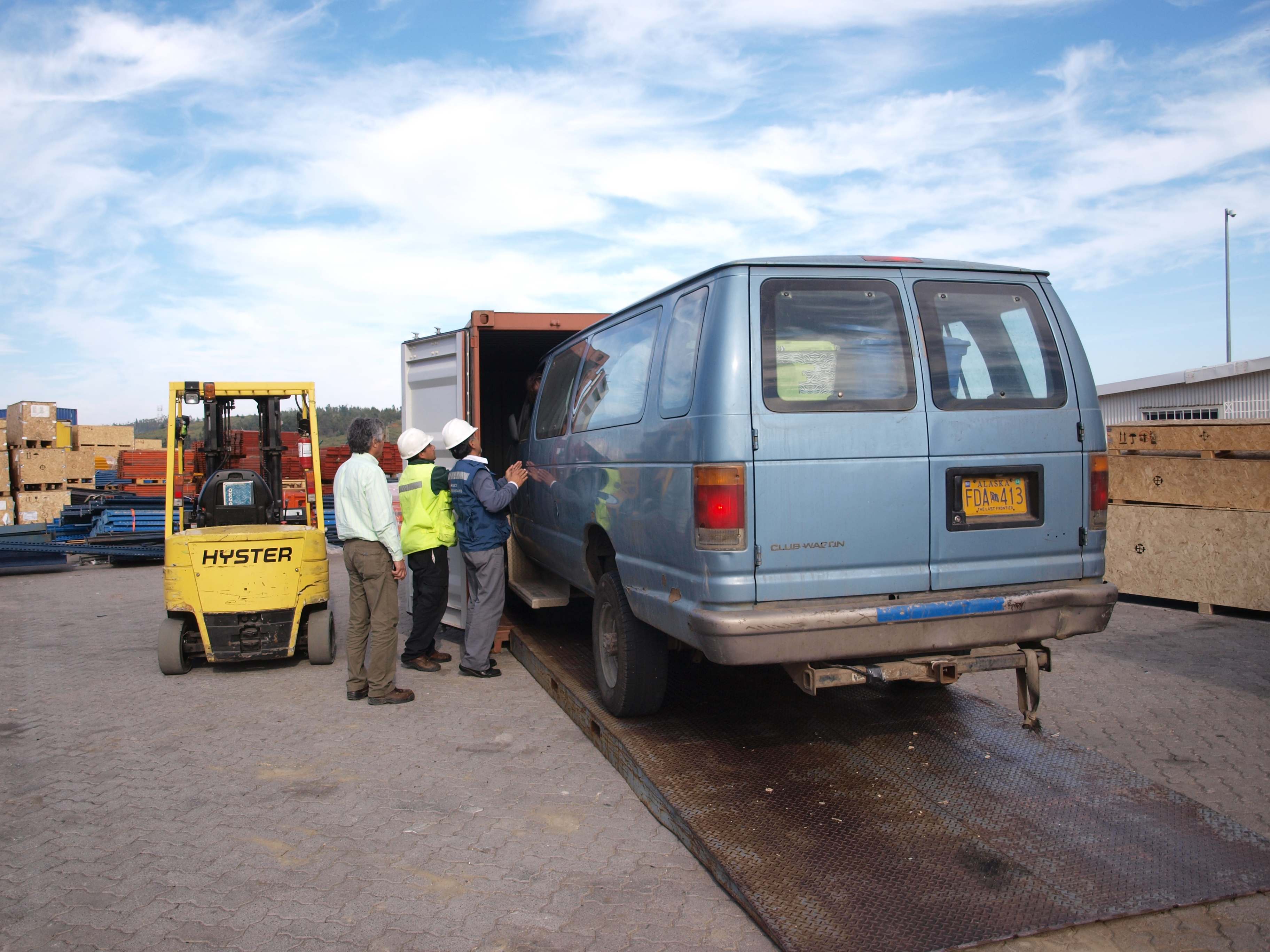
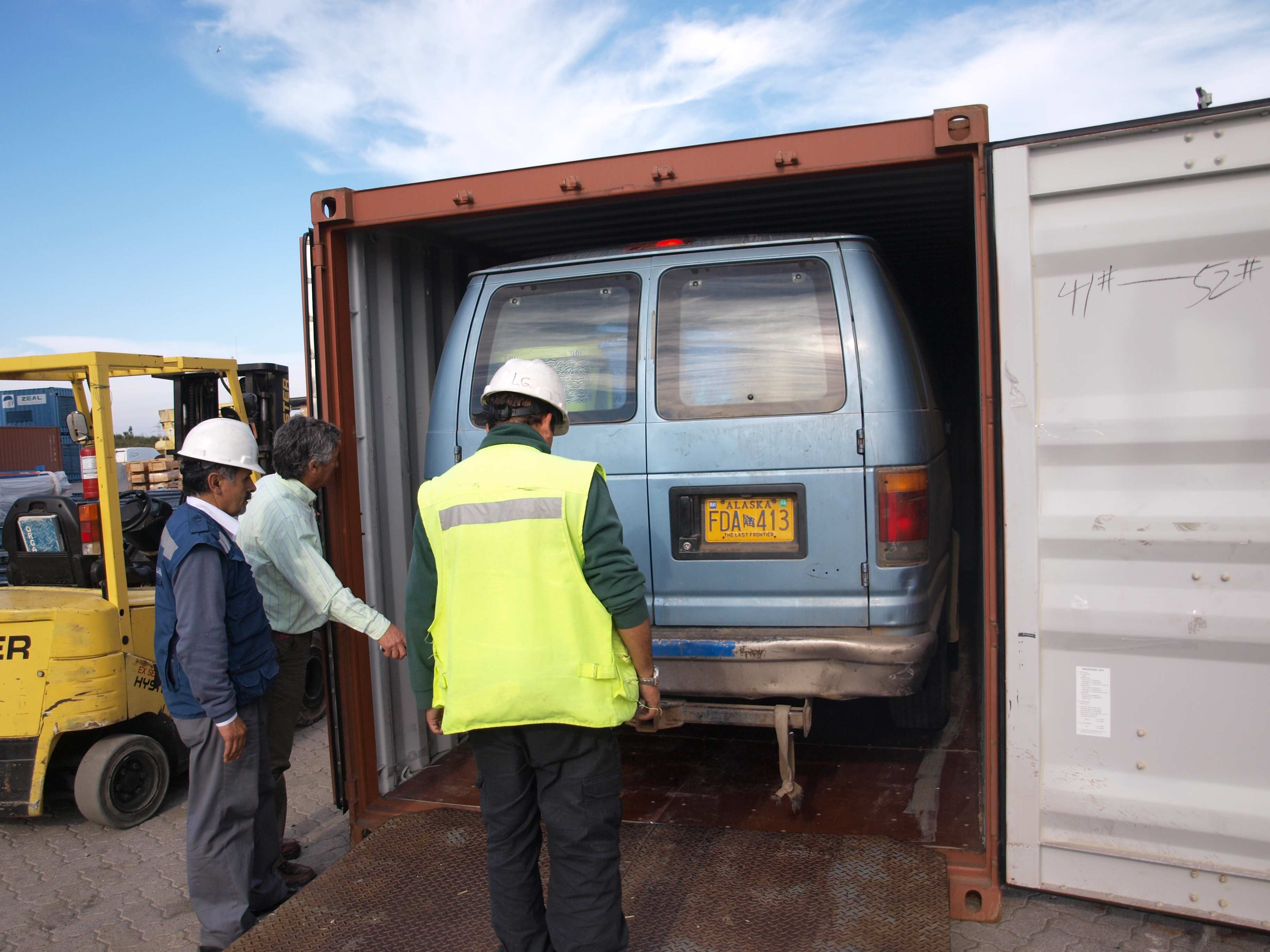
The van shipped on the NYK Lodestar. It left Valparaiso on May 2. You can track it here:
We could only use a container because we had a back door on the van, otherwise you would be trapped inside the vehicle you drove in. Mark and Ryan made a quick stop at a grocery store for essentials we knew we couldn’t get in Peru (coconut milk and chocolate bars) and then hopped a bus to the airport, which is a 2 hour drive away. They arrived at the airport around 7pm – it is a 2 hour drive from Valparaiso to Santiago.
Then – it was date night at the Santiago International Airport! Nescafe and a pastry and 30 minutes of adult conversation.
One problem with the airport was that no internet worked, our smartphone didn’t work and no place had wifi. We had things we needed to do but we needed internet! At about 11pm, Sylvia began to throw up. Of course. At 2:25am, we were able to check the dogs and our bags and head to the plane! We flew on LAN which is a very nice airline with free movies and games and food and drinks and it’s fancy. Sylvia perked up and seemed to feel better as she ate her entire breakfast. They let her keep the LAN blanket because she told the flight attendant it was so so beautiful. It’s solid orange. We arrived in Lima and proceeded smoothly through customs. We had to wait for the vet, who was late and arrived highly caffeinated.
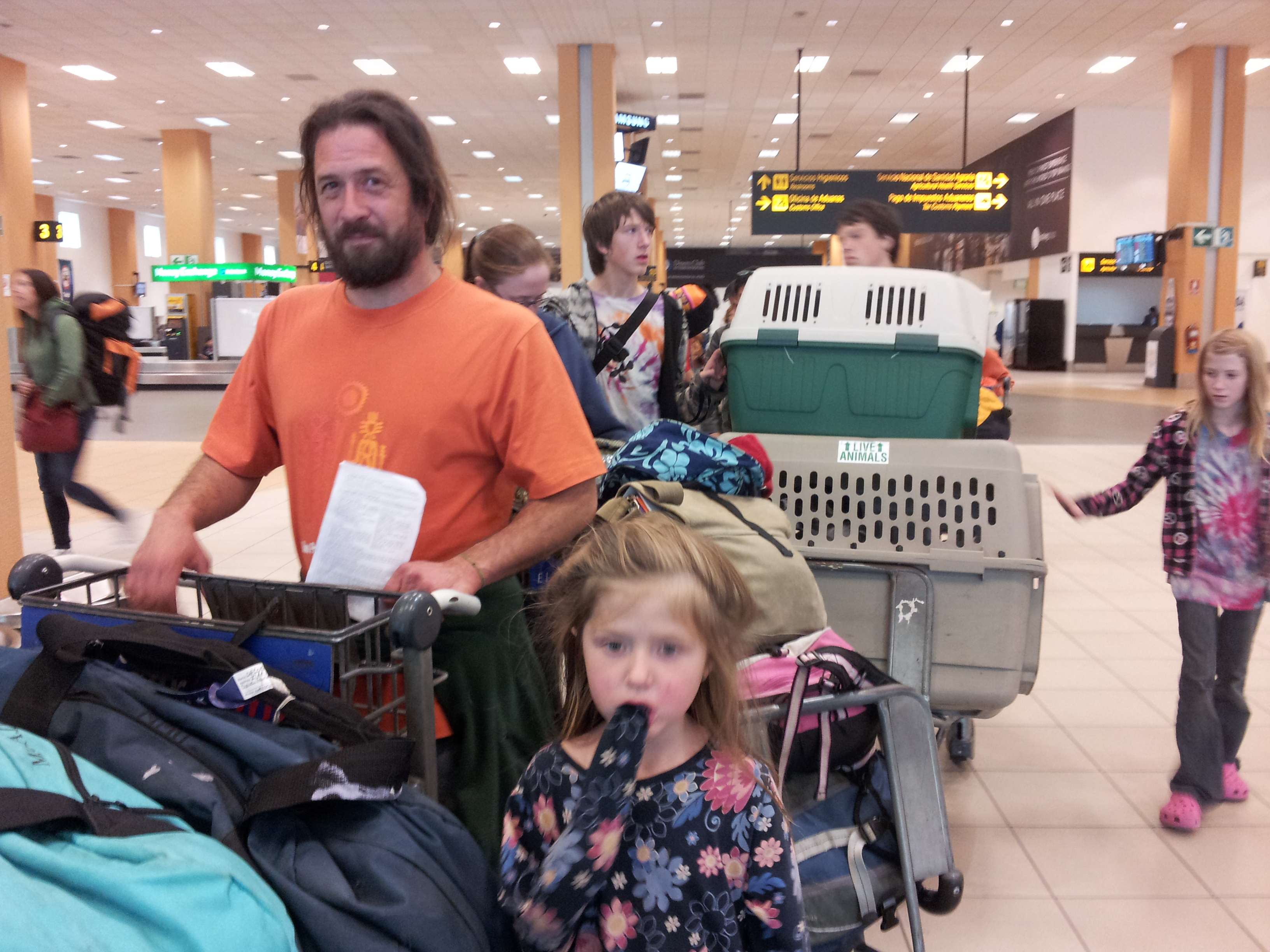
We found a beach house south of Lima to rent. But, like all South American things, it was very casual and that was not reassuring. No deposit. No confirmation number. Not even an address. The woman we rented from, Karina, was very nice and told us someone would meet us at the airport – which is in Callou, 35 miles away. We walked out of customs with 4 carts, 6 kids, 2 dogs and we were exhausted – and a guy was standing there with a sign that said Michel De Corz, and I knew that was us! He took us to a van, we all piled in and we began a slow, slow, slow drive. Here is a fun fact we learned last time we were in Lima: most taxi drivers don’t know Lima. They move from very rural places, where they never had a car, to Lima and pay to share a taxi with relatives and they take turns driving 24/7 but they don’t know where anything is. This was the case with our van driver. Even we knew shorter ways to get around Lima.
Part II: From Lime to Peace (Lima to La Paz)
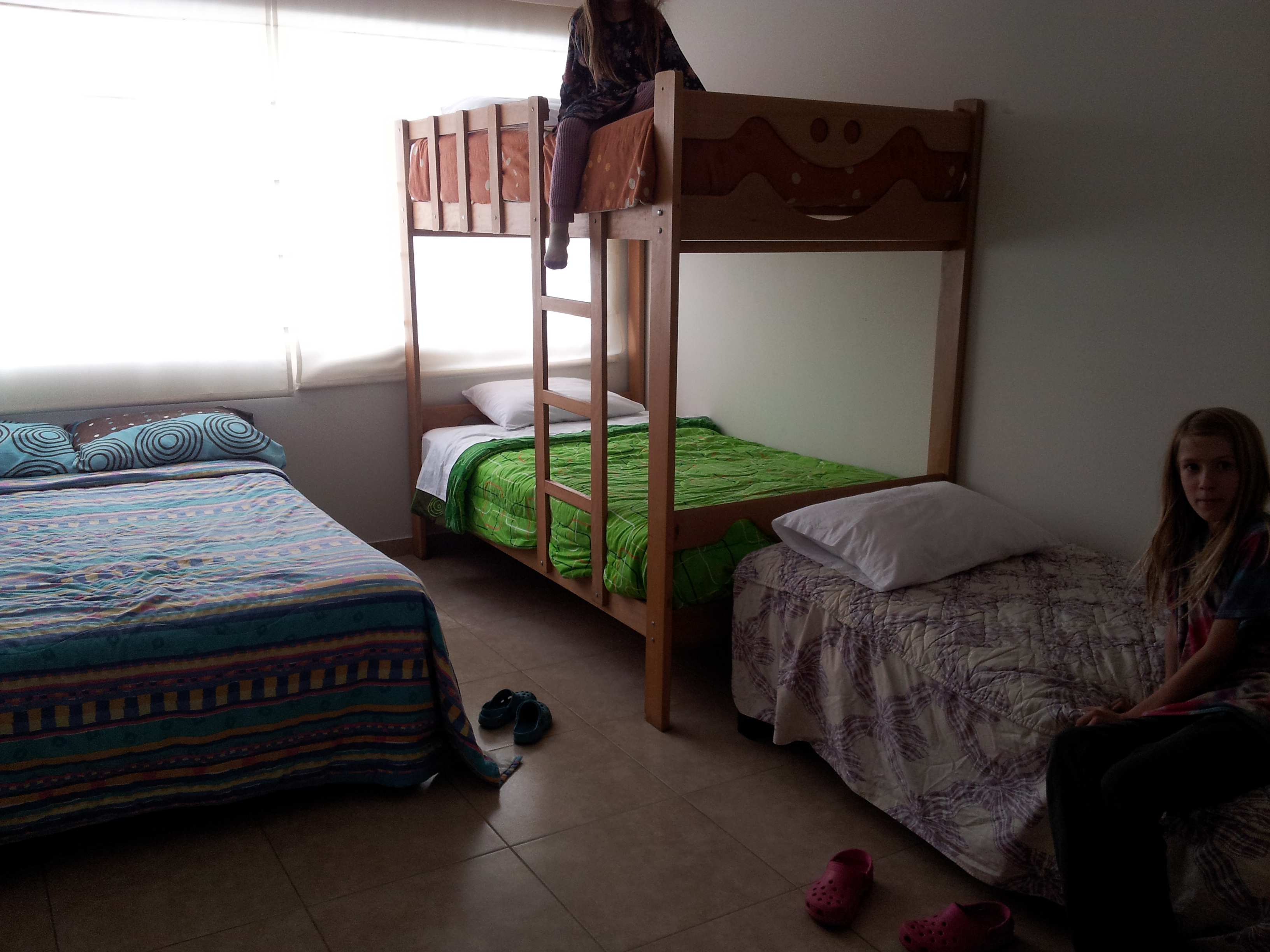
We were feeling kind of pressed for time because, well, this is a long story too. Once we knew we were selling the camper in Santiago, we needed plane tickets back to Lima. We had already bought plane tickets out of Lima in February. Plane tickets to Lima were expensive but tickets to Bolivia, which route through Lima, saved us more than $3000. We bought tickets with a 16 hour layover to make sure we could get all our bags off the plane. Tricky thinking, eh? Then we started thinking about actually going to Bolivia. We decided that Ryan, Jack and Michelle would go to Bolivia for a week, take a bus to Puno, visit Puno friends, take a combi to Juliaca and fly back to Lima. In order to do this, we needed to make it to the beach house, help everyone get settled, make hotel reservations in La Paz, find a 4cm passport photo for me (required for entry and I didn’t have one but Jack and Ryan did) and get back to Callou at the airport. The beach house was better than we imagined. It has three bathrooms! Like a palace, a mansion, so much space, and a pool!
We were so tired, you cannot imagine. Mark, Ryan and I were now at 30 hours without sleep. In order to make hotel reservations and find a passport photo place, we needed wifi so Ryan and Mark left to recharge the trusty old Claro stick. They returned, we checked email but no confirmation on our reservation. We had to call, which we did. Now there is another little issue with Bolivia. When I made the reservations, I was only concerned with getting to Lima. If we get into Lima at 7am and have a 16 hour layover, our plane to La Paz leaves at midnight – and arrives in Bolivia at 2:55am. This is a bad time to arrive. Especially since the airport is actually in El Alto, the notorious barrio with more than 2 million people. I really wanted a hotel reservation, you know? We called our hotel, La Joya. Our conversation went something like this:
“Did you get our reservation?”
“No, we have internet problems.”
“Could we make one?”
“Yes sure see you then.”
“Wait! Do you need the dates and our name?”
“No it is no problem”
“But we arrive tonight”
“Tonight?”
“Yes tonight”
“Ok. No problem, see you tonight”
“Wait! We come in very late”
“Ok. No problem, see you tonight”
“We come in at 3am”
“Ok. No problem, see you tonight”
“How do we get to the hotel?”
“Ok. No problem, see you tonight”
“Do we take a cab?”
“No.”
“How do we get there?”
“We will be there”
“At the airport?”
“Ok. No problem, see you tonight”
“OK! You will pick us up at the airport tonight at 3am?”
“Late tonight or early tomorrow morning?”
“I am sorry. I don’t know what you mean”
“Ok. No problem, see you tonight”
Skype drops the call.
So we took showers in the beach house but there was no hot water. We called to ask how to turn it on and the Karina’s husband came over. He said there were no water heaters, was that OK? I said no, it was very cold water so he said ok, we will put in a water heater. And they did! As we walked out with our bags, we asked Karina’s husband where to catch a bus to Lima. He said he would just take us so we climbed into his car and headed to Lima. Karina’s husband likes to surf. We talked about surfing. He took us to his office and called us a radio cab to the airport in Callou. It took over an hour to drive the 14 miles. We got to the airport and found an IPeru office where they gave us the address of a photo place. We put our one bag into bag storage, took a taxi to the photo place and got there just before they closed. We ate dinner at a little restaurant and then headed back to the airport, retrieved our bag, checked out of Peru and boarded our plane. 38 hours without sleep.
Bolivia is a very interesting place. The Spanish took all the silver from the mines of Potosi and used it to fund 200 years of Spanish projects, like the Inquisition. Bolivia got independence in 1825 with the assistance of Simon Bolivar (who would be one person I would love to have dinner with) but civil war erupted and Bolivia has had 198 distinct governments since they got independence from Spain. Chile took their land that bordered the ocean because they wanted the saltpeter. You may remember that from the blog post about the battle of Iqueque. Bolivia appeals every year to the UN to get the land back. The loss of the sea is a Bolivian tragedy. They mourn the loss of the sea. They celebrate the Dia del Mar, a day of mourning and sorrow for the loss of the beloved ocean. Bolivia now has their first indigenous president, Evo Moreles, who I think is pretty great. I feel bad for Bolivia, a very disenfranchised country.
La Paz is in a deep canyon at 14,000 feet. The roads here are very, very, very steep. The airport is the highest international airport in the world. Special planes need to land here as there is less oxygen and they need special tires. Our plane looked unspecial, like a 737. The guide books say that when you leave from sea level and arrive at 14,000 feet you will get sick. They say that when the plane lands and they open the door and unpressurize the cabin, people pass out. Lan carried oxygen for this purpose. I was not looking forward to landing. We spent a month in Puno, just a hundred miles away and at 12,800 feet but we got there gradually and I still had some altitude sickness. We fell asleep. Slept hard. I tried to wake up Jack right before we landed and he hit me and told me to stop hurting him. The plane landed. The door opened. The cabin lost all pressure. The German tourists all took their sorochi tablets. And nothing happened. No one passed out. Nothing. We went through customs, bought our visa ($135 each), filled out all the forms and they didn’t want my 4cm passport photo because you know what they did? They bought a camera! We cleared customs. We were the last people out, as buying a visa took some time. Only Americans have to buy a visa because Evo Morales is irritated at the US. In fact on the second day we were in La Paz, Bolivia kicked out the USAID Program (very dramatically here but on US news it wasn’t even a blip). The La Paz airport looked a lot like the Bethel Airport but browner, not gray. Very small. No place to spend the night if we had to – and it was cold. But there – standing in the airport in the cold at nearly 4am was a man with a sign that said La Joya. I was so happy I actually cried. We piled into his minivan which had a cholita woman in the front seat and no back window. They offered us a blanket. We drove through El Alto and into La Paz and to our hotel where we went straight to our room and went to sleep.
]]>