A little of a let down after being in Chile for so long. No more clean places and such.
The first day here was spent getting comfortable and helping Mother, Ryan and Jack to get ready to go to La Paz.
The next couple of days were spent recouporating from our airport shanigan.
It was all very chilled and Dad went out to get hotdogs. We cooked them about was about to eat them when we made the startling discovery that the hotdogs were wrapped in plastic wrappers.
Ah, Peru.
So father used a butter knife and attempted to scrooge the hotdog out in little clumps until we had a big plate of shredded hotdog and made sandwiches.
Luckily, the adjoining nights were better.
The pool has been getting used frequently. Sylvia seems to enjoy getting out, taking a shower and getting dressed then deciding to get back in.
Yesterday we checked out the beach and discovered that it was at the bottom of a cliff/steep hill. There were locked gates and such so we have yet to go there.
We explored the neighborhood a bit, walking about a mile to the nearest ATM. It was pretty much the same; restaurants, one fancy restaurant and a barren strip of dirt between the roads. How pretty and photogenic it was.
Ryan, Jack and mother got back last night and brought me a wonderful leather jacket. It wasn’t the original one they had shown me, which was garishly red and has a horrible fur collar. It was apparently a joke. Ha. Ha.
They also brought back several bars of Bolivian chocolate, which was quite delicious, some oven mitts that father got endlessly excited over and other things.
Now that they are back, I’m sure adventures shall start soon…
Jennah
]]>Smoking kills you. We all know that, right? So if you’re smoking, you should stop. I remember flying from New York to Fairbanks (and vice versa) on a Pan Am 747 . It was when smoking used to be allowed on planes. I hated that. I remember going to the Golstream Cinemas when there was just two theaters and smoking was allowed. I hated that, too. Besides my little commentary here, I don’t give smoking a lot of thought.
I certainly didn’t give smoking a lot of thought in South America, that is until we got to Chile. I don’t really remember anybody smoking in Colombia or Ecuador. There must have been some. I just don’t remember. I do remember that almost no one smoked in Peru. I thought that was interesting. I thought maybe it had something to do with the altitude, of the cost of living. Then we got to Chile.
In Arica, the northernmost Chilean town, a lot of people smoked. I was such a change from 25 miles to the north. It was a little shocking. Especially seeing 14 year girls in school uniforms smoking. It was a little strange.
There was a lot of nothing in northern Chile, including people, so there wasn’t much smoking going on. Then we got to Santiago. Wow. EVERYONE smoked. I mean EVERYONE. There was one time we were driving down a street through a medical college that was on both sides of the street. The two lanes of traffic in the street were divided by a green strip in the middle, with benches and trees and such. It was some sort of break time, and there were like a thousand or so students on both sides of the street and in the middle smoking. The air was hazy with smoke, like a really smokey bar. It would just pour in the windows of the van. It was unbelievable.
It was like this regularly in Chile, tons of people in public places smoking like crazy. If you have stock in tobacco companies, have no fear. You’ll be doing fine. Michelle and I went out for a date to a Jazz club while we were in Santiago. There were four No Fumar signs on the door. We walked in and it was pretty smoky. This turned out to be because they had a smoking room, with no ventilation. At one point, all 20 people in the bar, including the musicians and bartenders, were all crammed in the little room smoking.
Now this is not intended to be some rant on smoking. I just cannot describe the amount of smoking that goes on in Chile. You would not believe it. And I though it worth mentioning. Oh yeah, don’t forget, smoking kills you, so stop.
]]>
Or, like Scuffy the Tugboat: there is only one way to go and that was with the rushing river
On Friday, April 26, we sold the camper. The man who bought it did not have a vehicle big enough to tow it so we towed it to his work, which was a well drilling company, and spent two more nights in the camper.
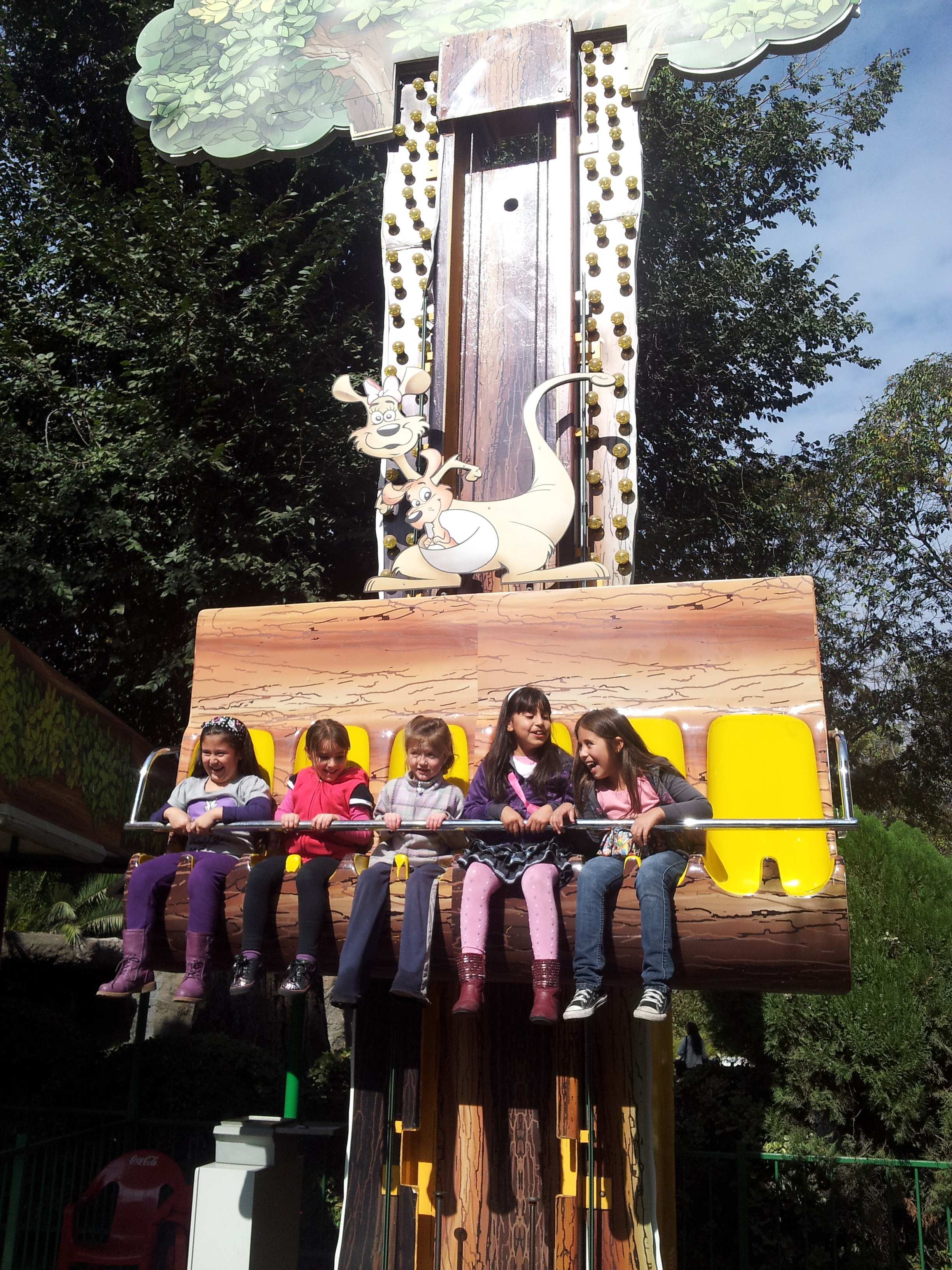
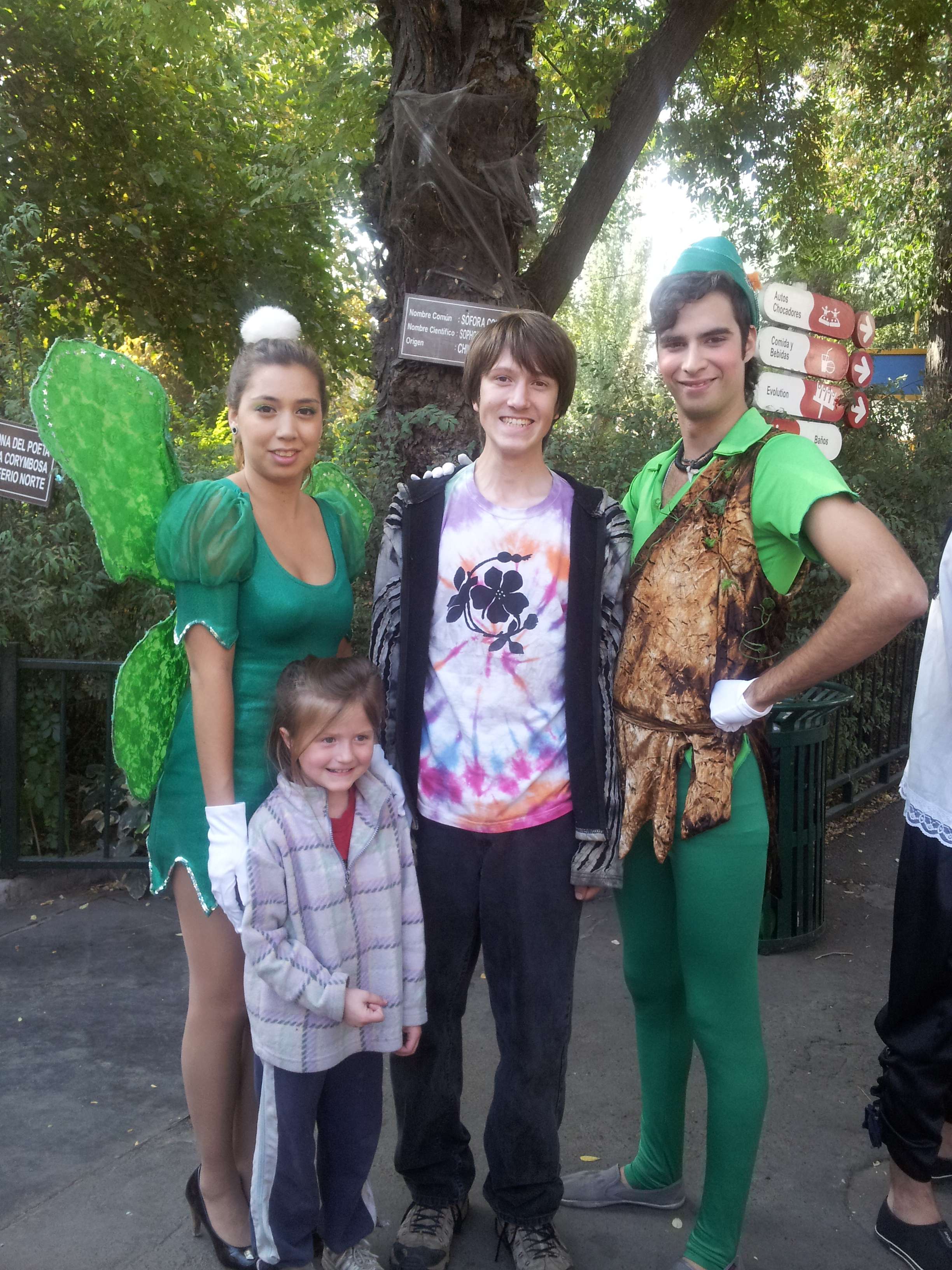
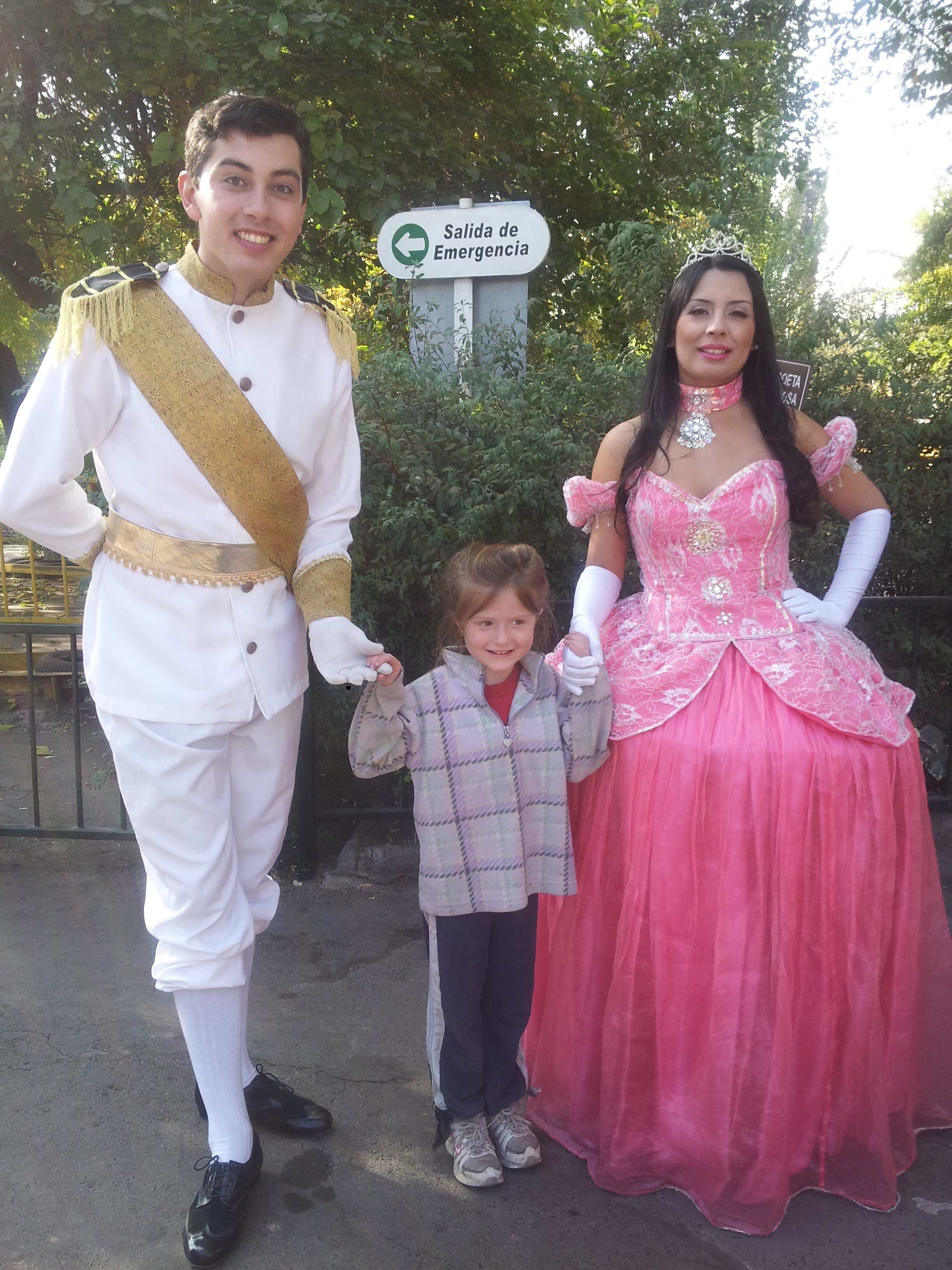
On Saturday, we went to Fantasialandia! Fantasialandia was a great amusement park that was modern, clean, had fabulous rides and there were NO LINES. We rode rides, had ice cream, generally a fun day.
On Sunday, we began the task of leaving. Everything came out of the camper and the van. We made four piles – trash, stuff to give away, things we were shipping in the van and what we needed for the last month in South America.
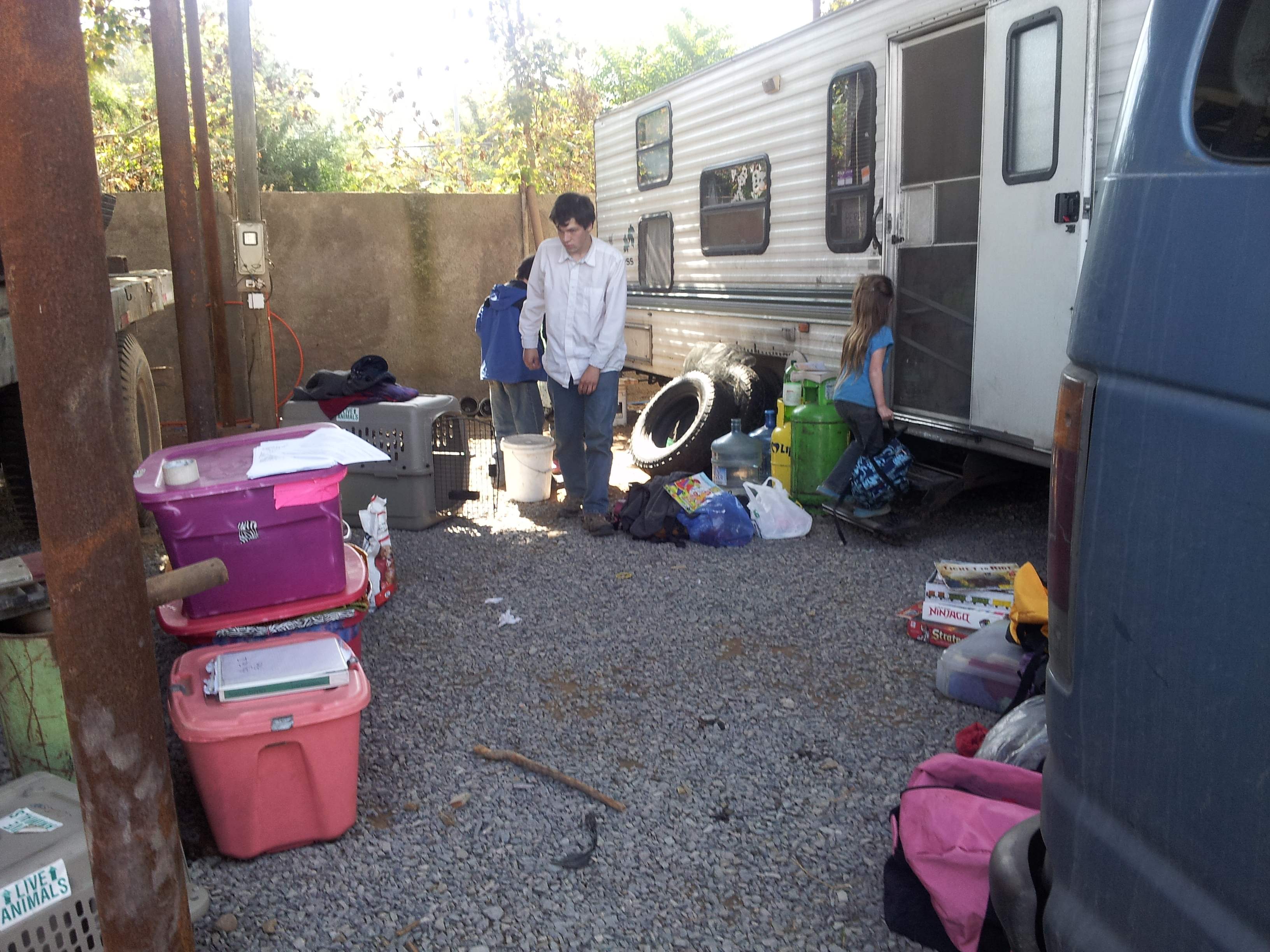
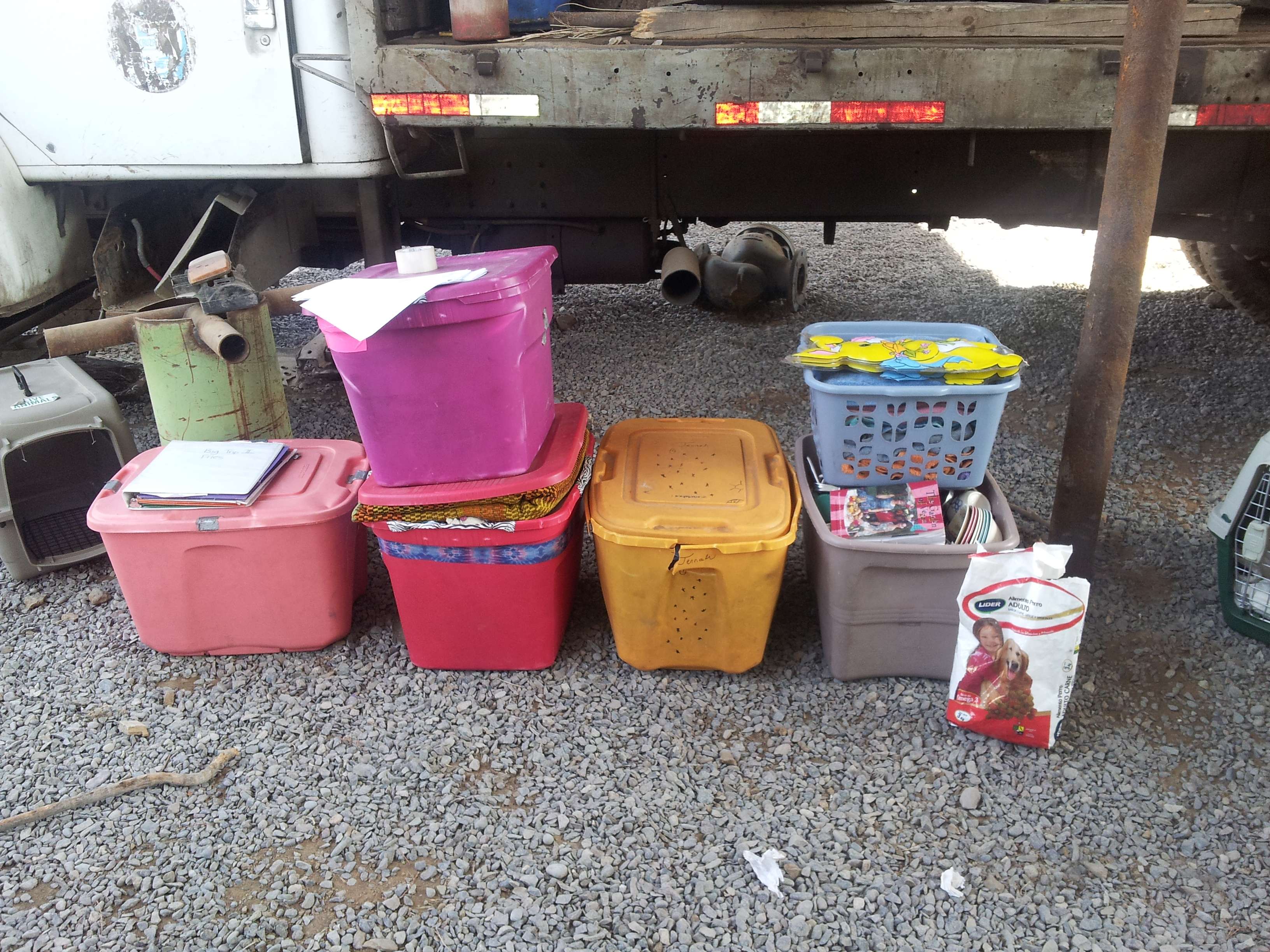
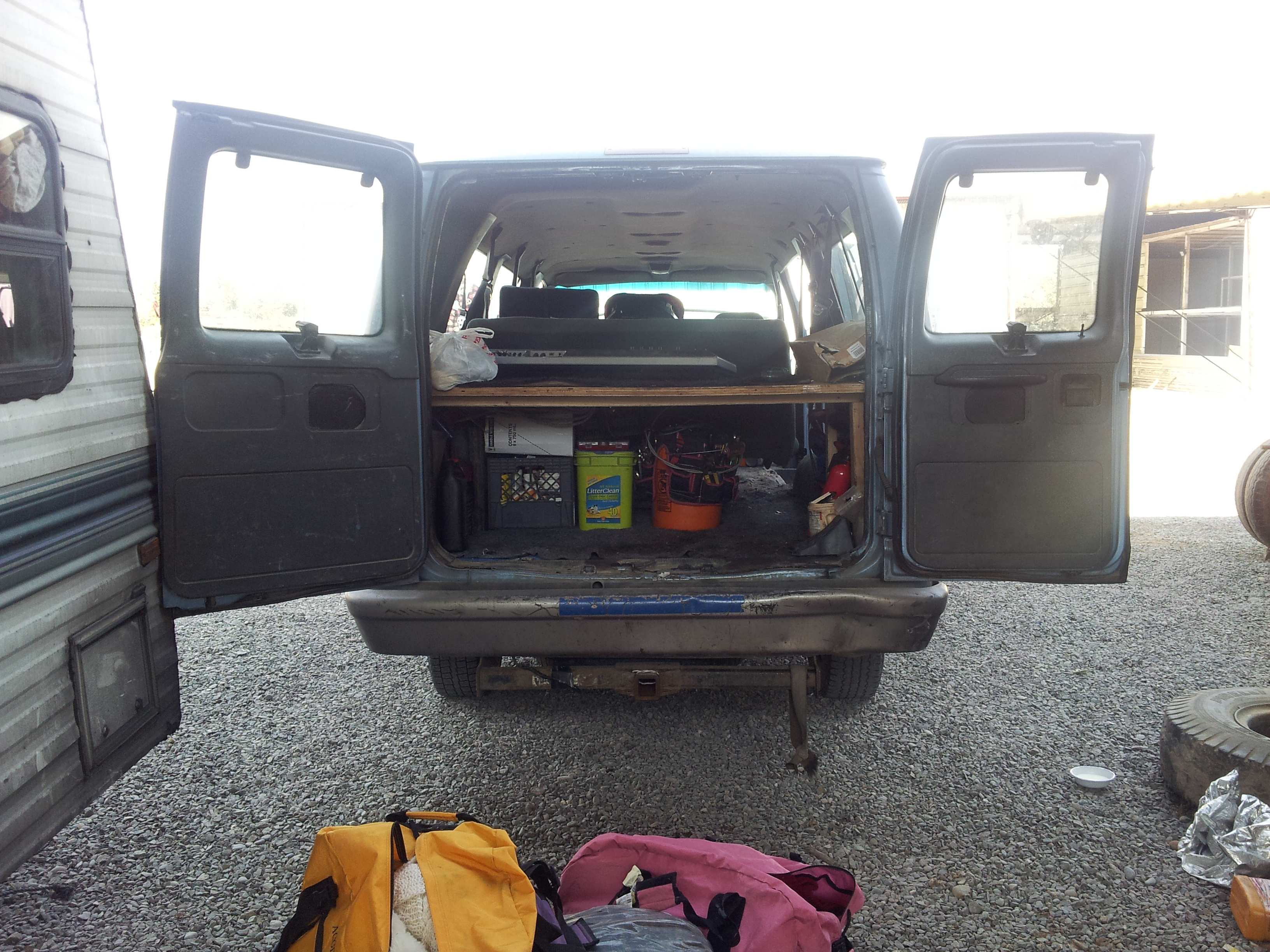
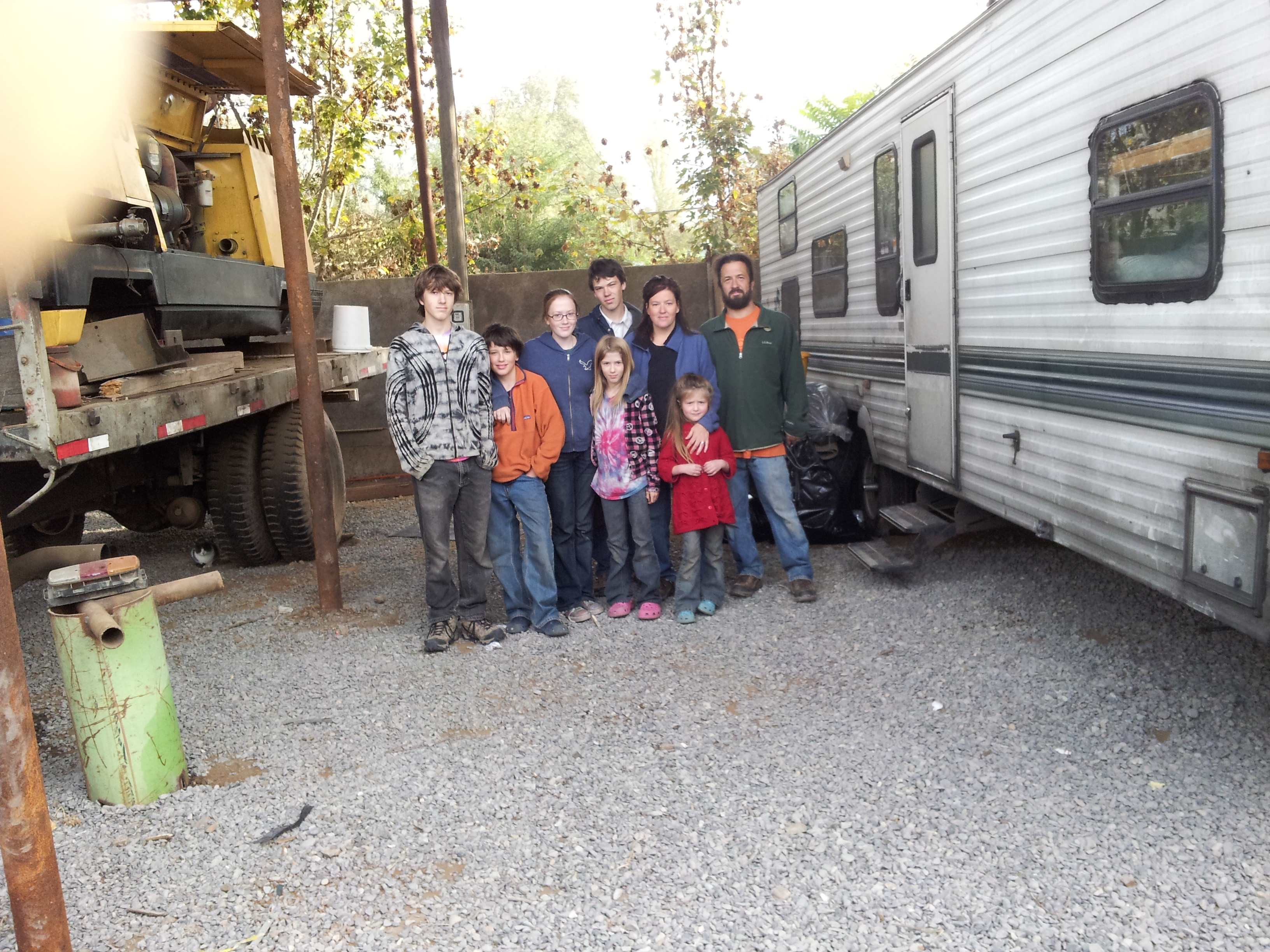
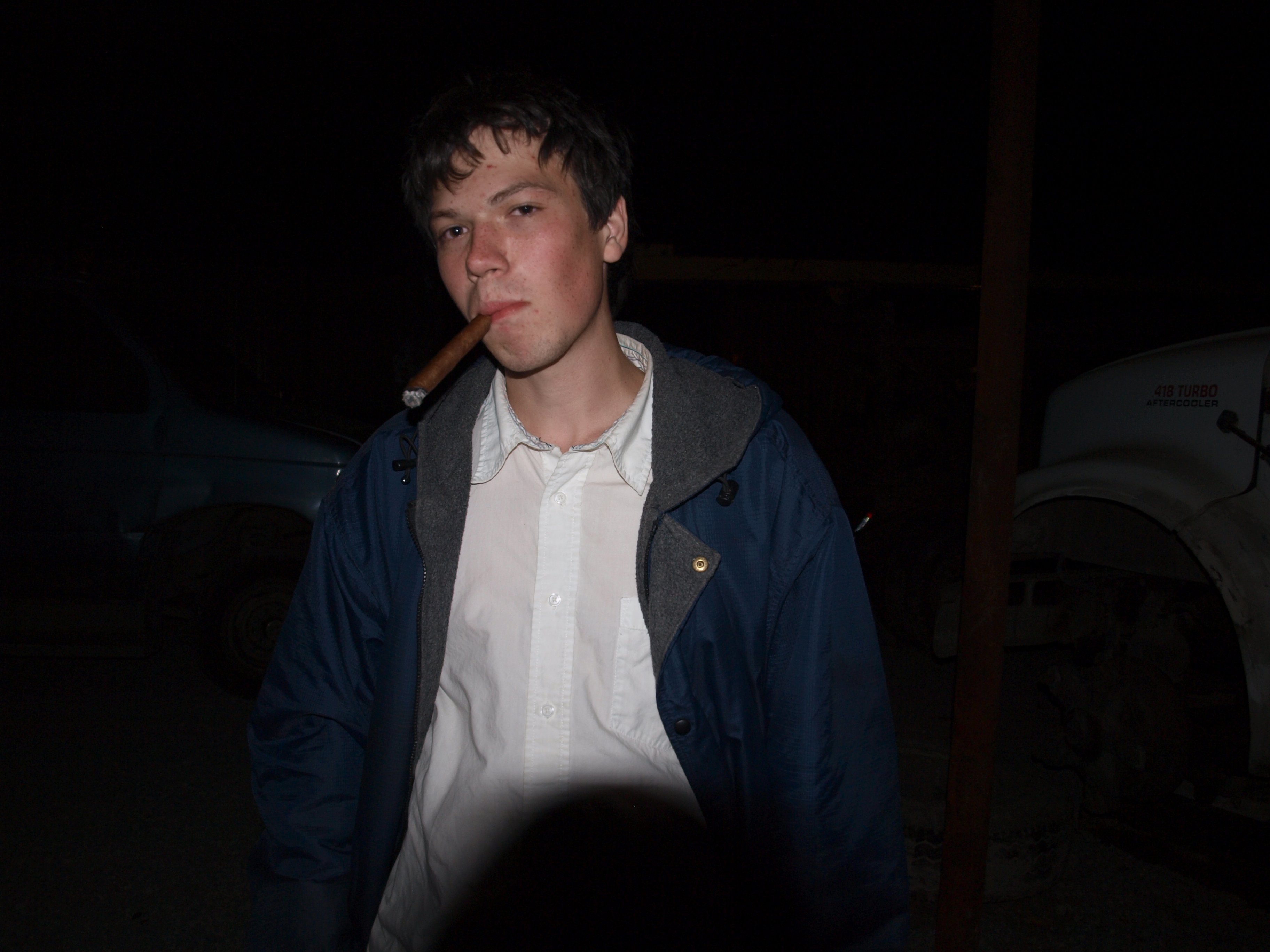
After a very long, long day, the van was packed up and the camper was empty and 8 different colored LLBean duffel bags were stacked outside. We went to town and bought champagne and ramen and a cuban cigar for a celebratory dinner!
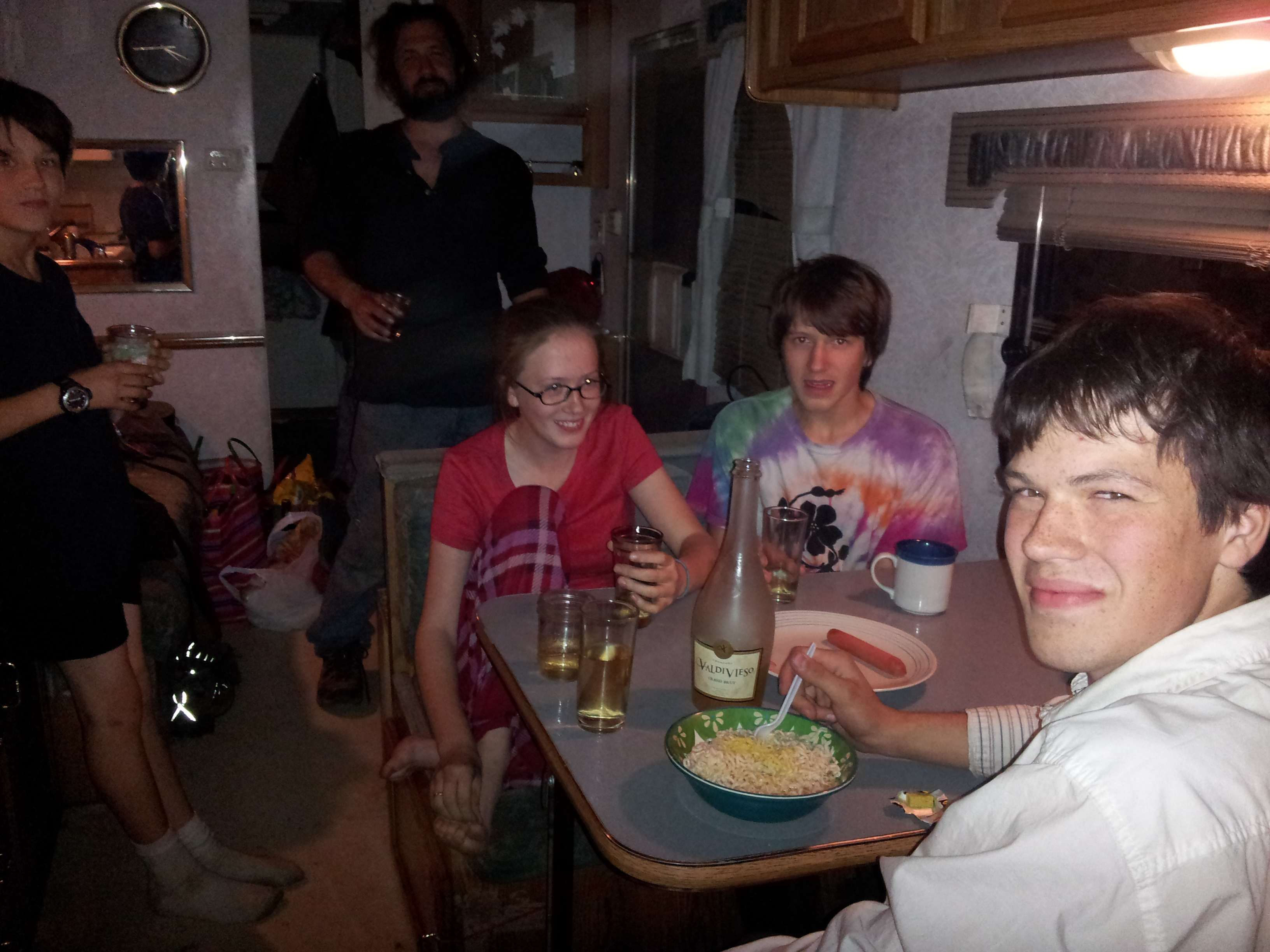
and even Ryan is smiling!
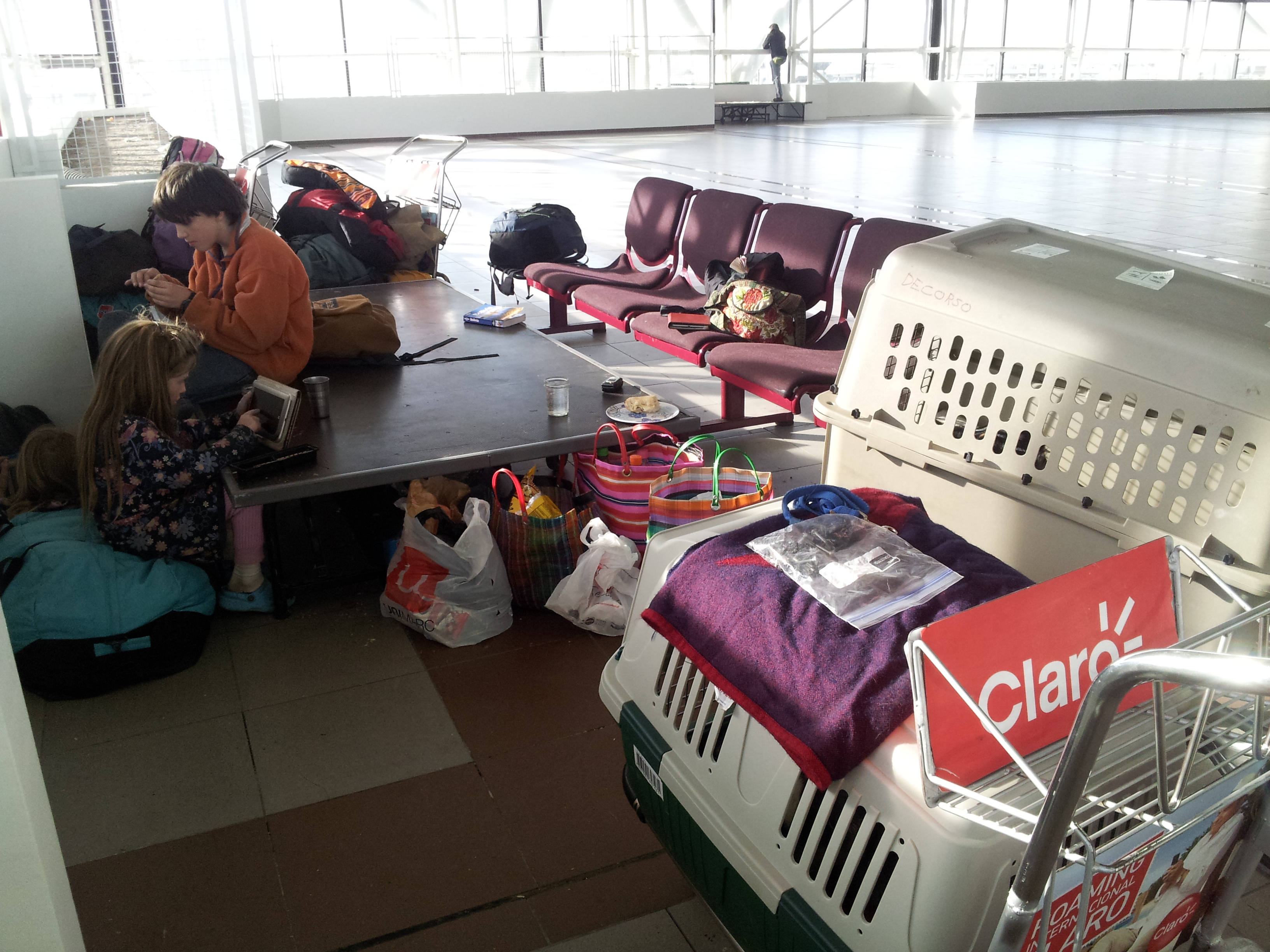
The next morning, we packed up the van with 8 duffle bags, 8 carry on bags, 2 dogs, 2 dog kennels and 8 people and Mark dropped 6 of us & 2 dogs off at the Santiago International Airport. We had done some recon there a few days before and Jack had picked out a place that was tucked away in a loft with a wide open space and no people. We had some kind of flatbed thing as a table and 6 seats. It was perfect. We carted all the stuff, dogs and children to the spot and promptly made a fort of duffel bags and hung out. We played travel Monopoly, Quibbler, Memory, Magic and Boggle. We colored. We played with little cars. We played Mother May I and Red Light/Green Light. We had a picnic lunch. For 17 hours.
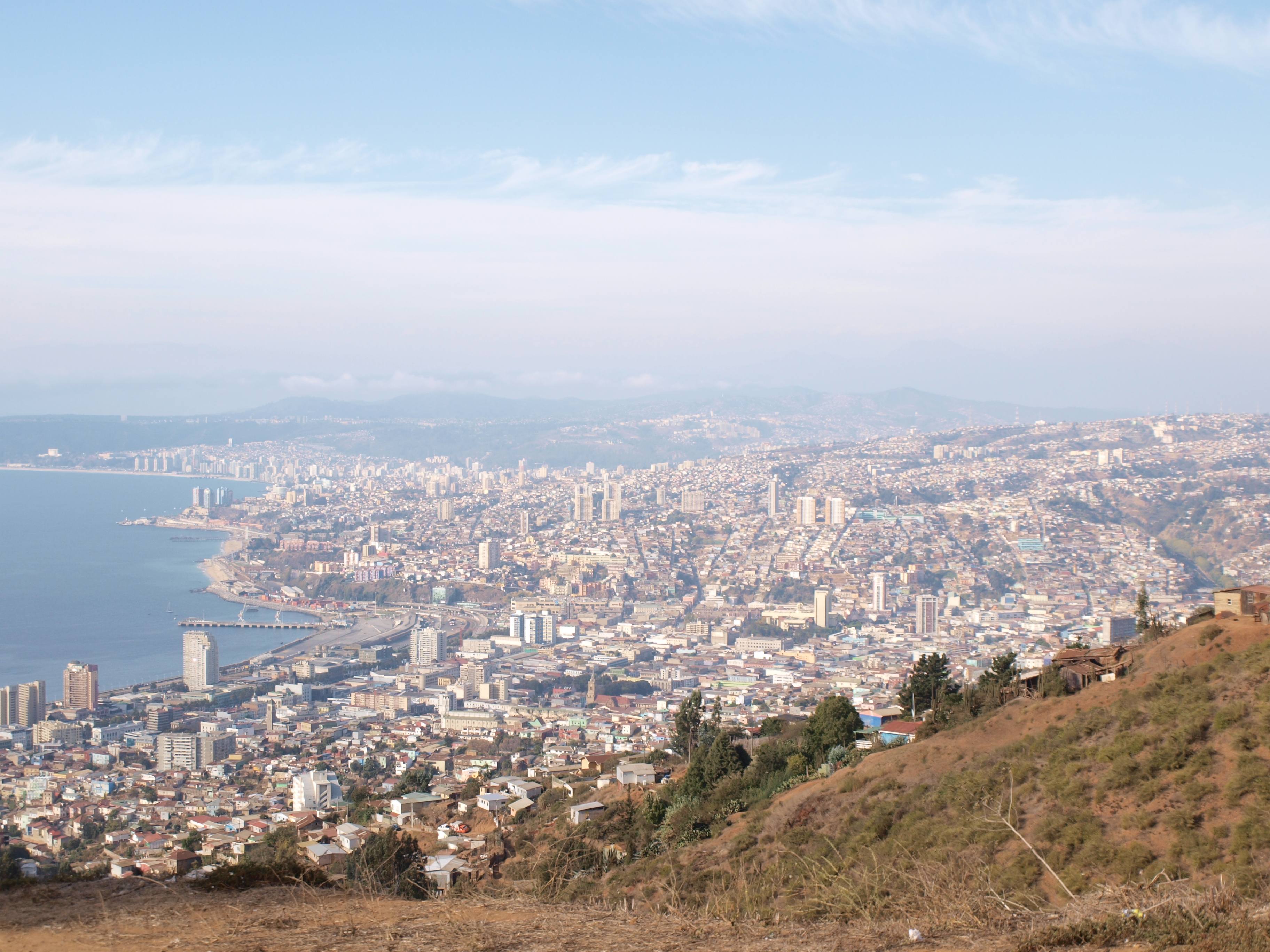
Meanwhile, Mark & Ryan went back to the camper and loaded 8 plastic tubs + all of our blankets Shana made us into the van. They drove to Valparaiso to meet with Sergio, our freight forwarder. They spent some time doing paperwork and then drove the van to the staging area so it could be loaded into a container. The city is built around the shipyard in Valparaiso but the logistics part is through three mountain tunnels on the other side.
The van was supposed to fit in the container with less than 3” to spare wide and 1” to spare on the top (with the front bumper and light removed). But of course we didn’t really know as we have never driven the van into a container. At the shipyard, the men didn’t think it would fit.
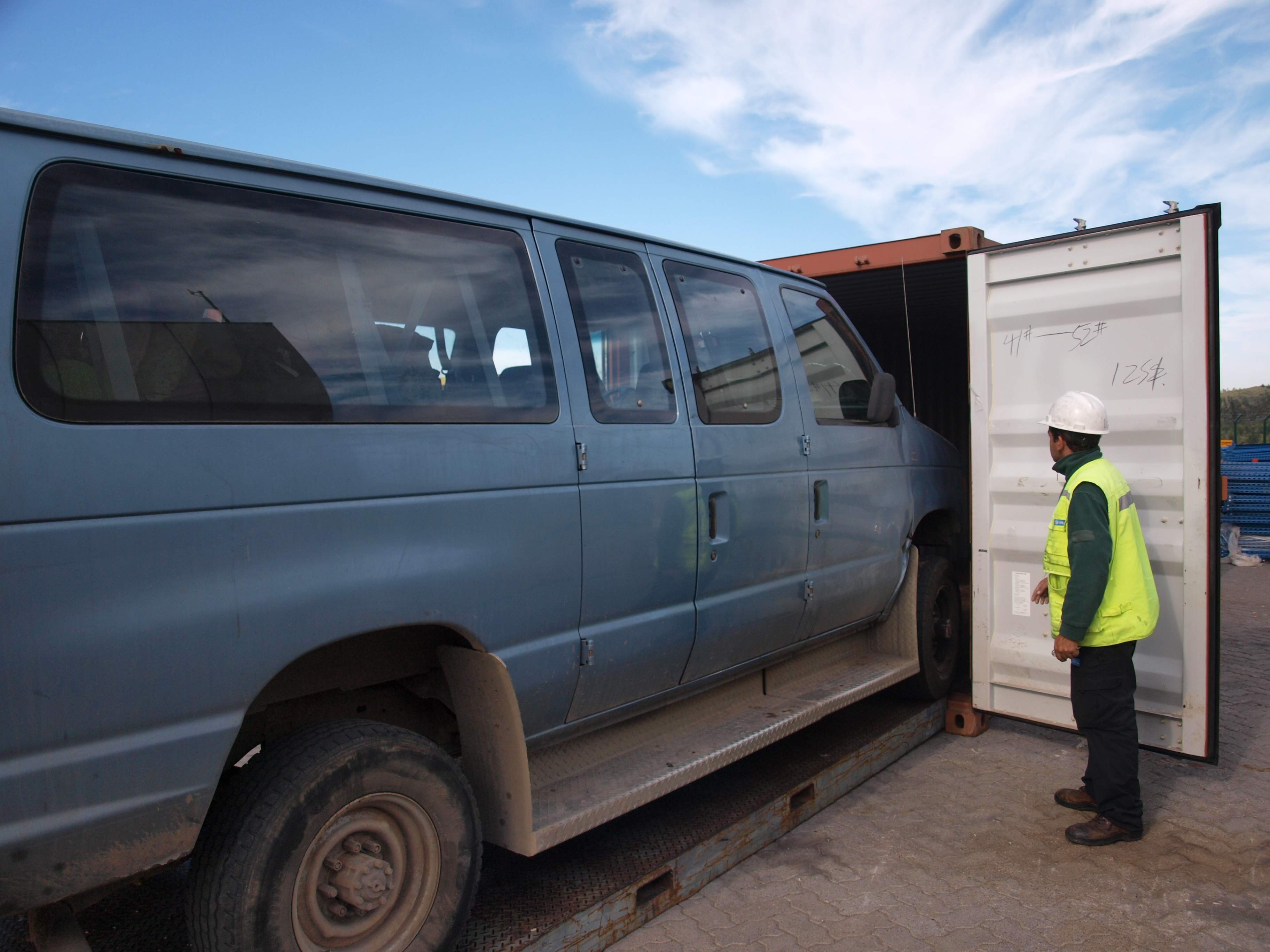
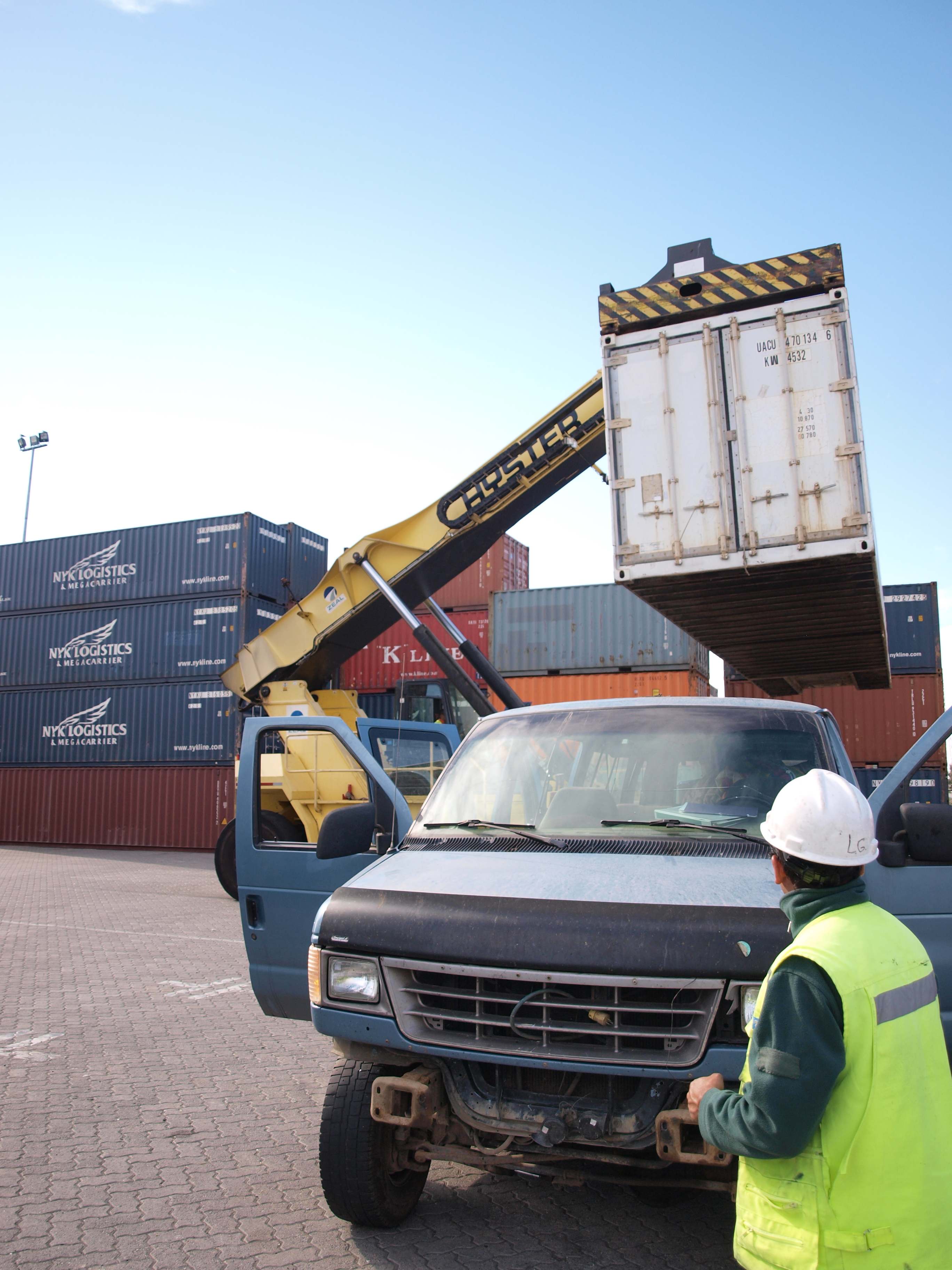
There was a lot of measuring and then they got a ramp with a long straight run so the van would not hit the container at an angle and Mark drove it in – and it fit!
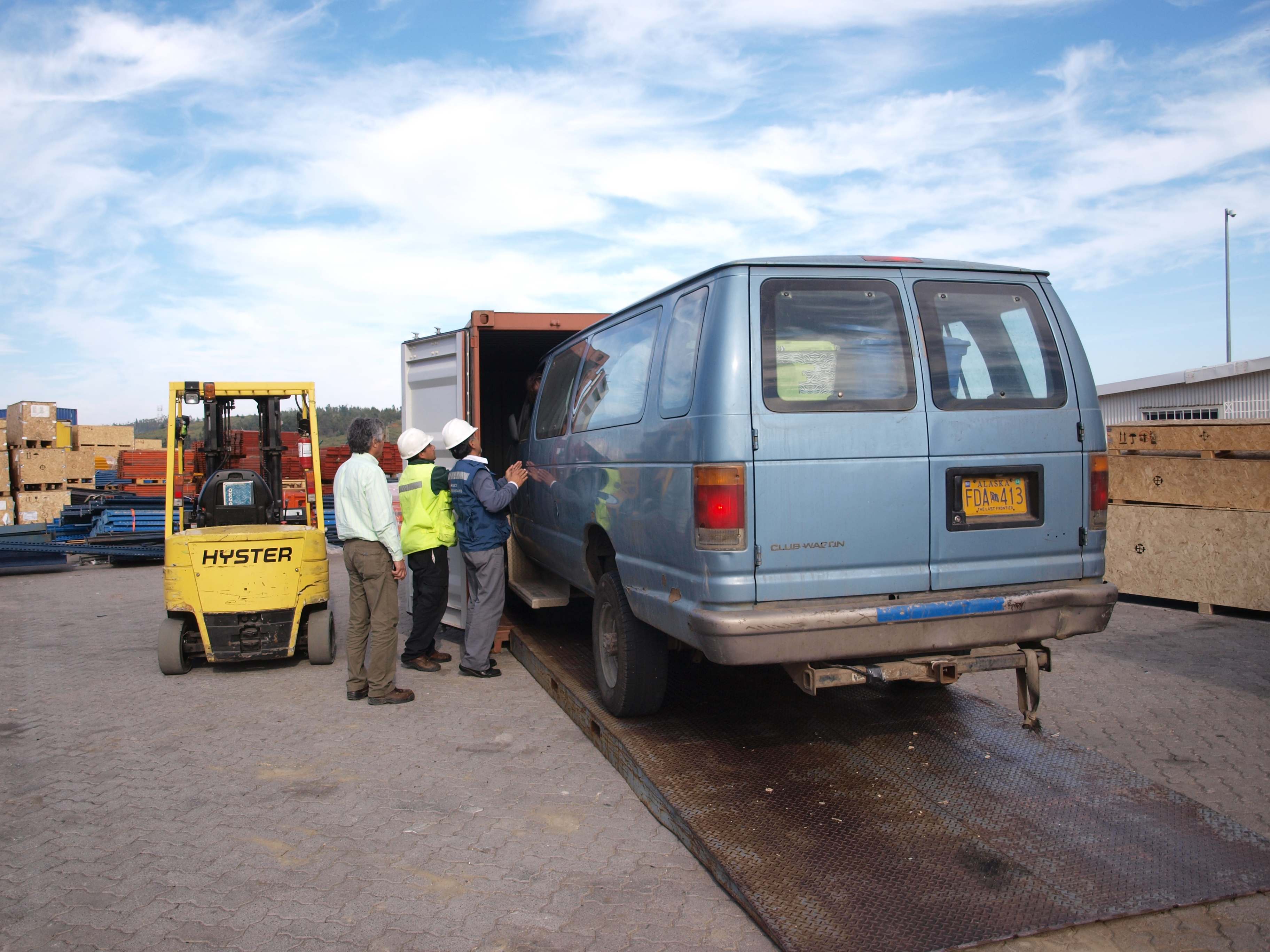
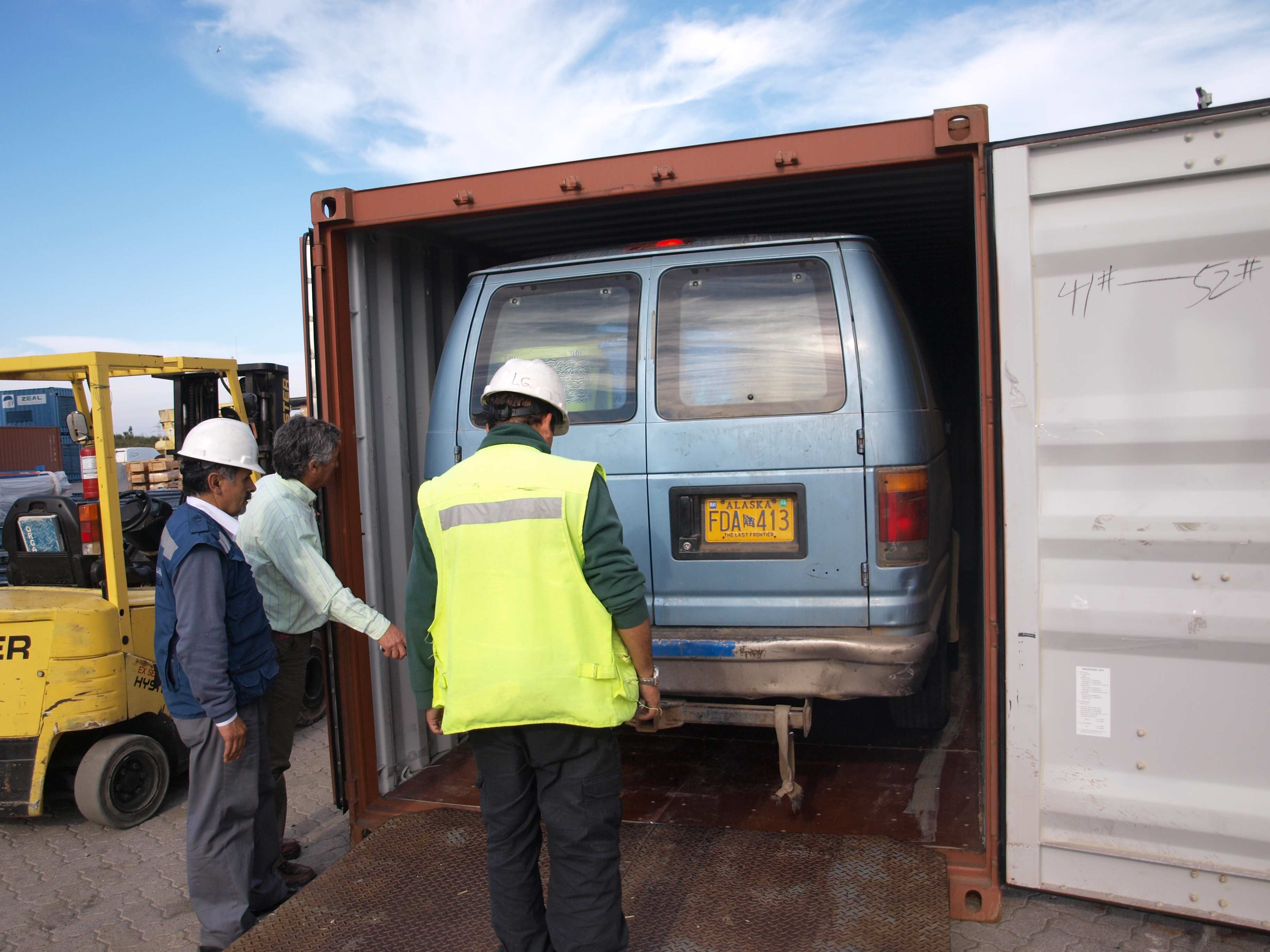
The van shipped on the NYK Lodestar. It left Valparaiso on May 2. You can track it here:
We could only use a container because we had a back door on the van, otherwise you would be trapped inside the vehicle you drove in. Mark and Ryan made a quick stop at a grocery store for essentials we knew we couldn’t get in Peru (coconut milk and chocolate bars) and then hopped a bus to the airport, which is a 2 hour drive away. They arrived at the airport around 7pm – it is a 2 hour drive from Valparaiso to Santiago.
Then – it was date night at the Santiago International Airport! Nescafe and a pastry and 30 minutes of adult conversation.
One problem with the airport was that no internet worked, our smartphone didn’t work and no place had wifi. We had things we needed to do but we needed internet! At about 11pm, Sylvia began to throw up. Of course. At 2:25am, we were able to check the dogs and our bags and head to the plane! We flew on LAN which is a very nice airline with free movies and games and food and drinks and it’s fancy. Sylvia perked up and seemed to feel better as she ate her entire breakfast. They let her keep the LAN blanket because she told the flight attendant it was so so beautiful. It’s solid orange. We arrived in Lima and proceeded smoothly through customs. We had to wait for the vet, who was late and arrived highly caffeinated.
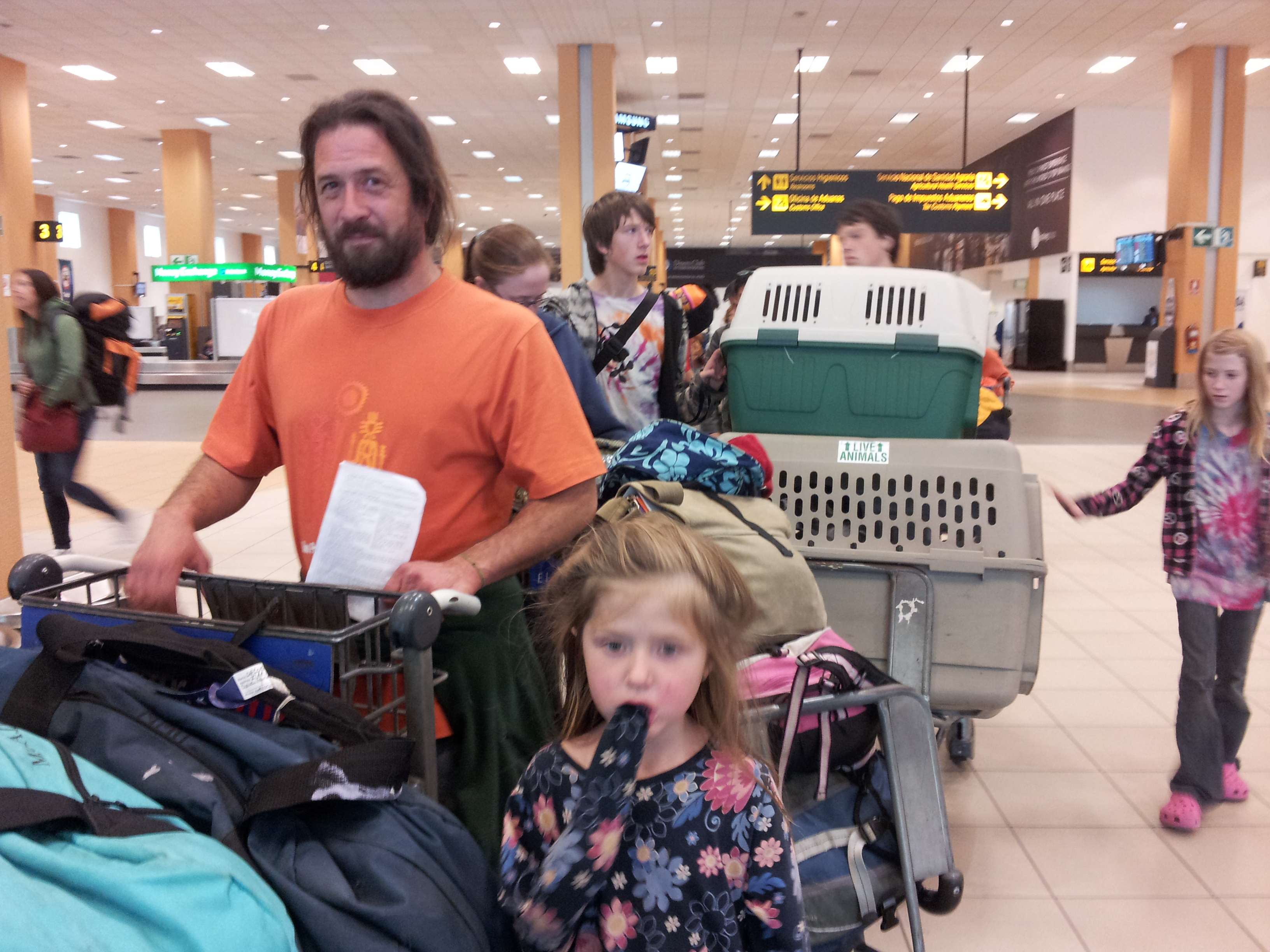
We found a beach house south of Lima to rent. But, like all South American things, it was very casual and that was not reassuring. No deposit. No confirmation number. Not even an address. The woman we rented from, Karina, was very nice and told us someone would meet us at the airport – which is in Callou, 35 miles away. We walked out of customs with 4 carts, 6 kids, 2 dogs and we were exhausted – and a guy was standing there with a sign that said Michel De Corz, and I knew that was us! He took us to a van, we all piled in and we began a slow, slow, slow drive. Here is a fun fact we learned last time we were in Lima: most taxi drivers don’t know Lima. They move from very rural places, where they never had a car, to Lima and pay to share a taxi with relatives and they take turns driving 24/7 but they don’t know where anything is. This was the case with our van driver. Even we knew shorter ways to get around Lima.
Part II: From Lime to Peace (Lima to La Paz)
We were feeling kind of pressed for time because, well, this is a long story too. Once we knew we were selling the camper in Santiago, we needed plane tickets back to Lima. We had already bought plane tickets out of Lima in February. Plane tickets to Lima were expensive but tickets to Bolivia, which route through Lima, saved us more than $3000. We bought tickets with a 16 hour layover to make sure we could get all our bags off the plane. Tricky thinking, eh? Then we started thinking about actually going to Bolivia. We decided that Ryan, Jack and Michelle would go to Bolivia for a week, take a bus to Puno, visit Puno friends, take a combi to Juliaca and fly back to Lima. In order to do this, we needed to make it to the beach house, help everyone get settled, make hotel reservations in La Paz, find a 4cm passport photo for me (required for entry and I didn’t have one but Jack and Ryan did) and get back to Callou at the airport. The beach house was better than we imagined. It has three bathrooms! Like a palace, a mansion, so much space, and a pool!
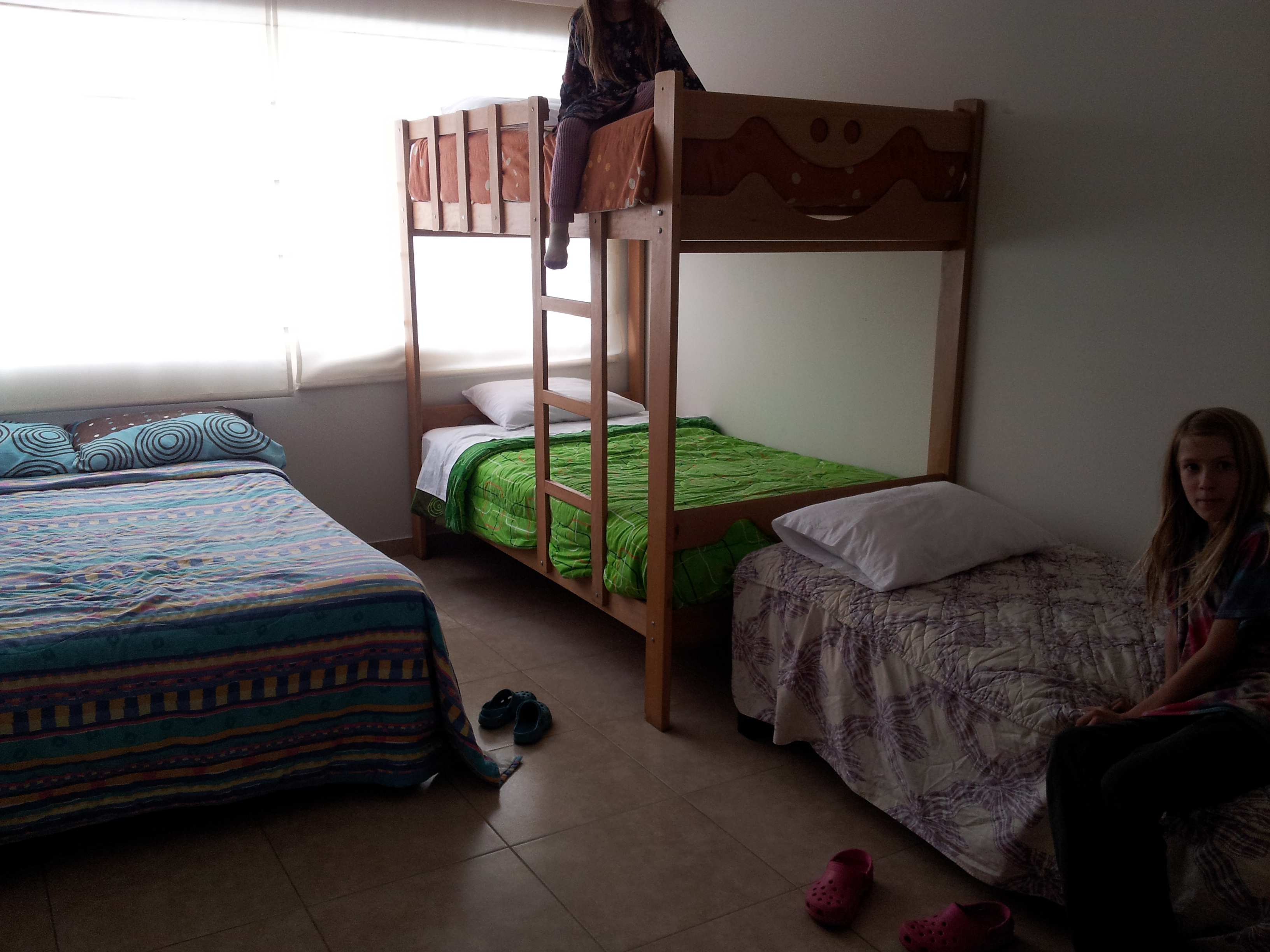
We were so tired, you cannot imagine. Mark, Ryan and I were now at 30 hours without sleep. In order to make hotel reservations and find a passport photo place, we needed wifi so Ryan and Mark left to recharge the trusty old Claro stick. They returned, we checked email but no confirmation on our reservation. We had to call, which we did. Now there is another little issue with Bolivia. When I made the reservations, I was only concerned with getting to Lima. If we get into Lima at 7am and have a 16 hour layover, our plane to La Paz leaves at midnight – and arrives in Bolivia at 2:55am. This is a bad time to arrive. Especially since the airport is actually in El Alto, the notorious barrio with more than 2 million people. I really wanted a hotel reservation, you know? We called our hotel, La Joya. Our conversation went something like this:
“Did you get our reservation?”
“No, we have internet problems.”
“Could we make one?”
“Yes sure see you then.”
“Wait! Do you need the dates and our name?”
“No it is no problem”
“But we arrive tonight”
“Tonight?”
“Yes tonight”
“Ok. No problem, see you tonight”
“Wait! We come in very late”
“Ok. No problem, see you tonight”
“We come in at 3am”
“Ok. No problem, see you tonight”
“How do we get to the hotel?”
“Ok. No problem, see you tonight”
“Do we take a cab?”
“No.”
“How do we get there?”
“We will be there”
“At the airport?”
“Ok. No problem, see you tonight”
“OK! You will pick us up at the airport tonight at 3am?”
“Late tonight or early tomorrow morning?”
“I am sorry. I don’t know what you mean”
“Ok. No problem, see you tonight”
Skype drops the call.
So we took showers in the beach house but there was no hot water. We called to ask how to turn it on and the Karina’s husband came over. He said there were no water heaters, was that OK? I said no, it was very cold water so he said ok, we will put in a water heater. And they did! As we walked out with our bags, we asked Karina’s husband where to catch a bus to Lima. He said he would just take us so we climbed into his car and headed to Lima. Karina’s husband likes to surf. We talked about surfing. He took us to his office and called us a radio cab to the airport in Callou. It took over an hour to drive the 14 miles. We got to the airport and found an IPeru office where they gave us the address of a photo place. We put our one bag into bag storage, took a taxi to the photo place and got there just before they closed. We ate dinner at a little restaurant and then headed back to the airport, retrieved our bag, checked out of Peru and boarded our plane. 38 hours without sleep.
Bolivia is a very interesting place. The Spanish took all the silver from the mines of Potosi and used it to fund 200 years of Spanish projects, like the Inquisition. Bolivia got independence in 1825 with the assistance of Simon Bolivar (who would be one person I would love to have dinner with) but civil war erupted and Bolivia has had 198 distinct governments since they got independence from Spain. Chile took their land that bordered the ocean because they wanted the saltpeter. You may remember that from the blog post about the battle of Iqueque. Bolivia appeals every year to the UN to get the land back. The loss of the sea is a Bolivian tragedy. They mourn the loss of the sea. They celebrate the Dia del Mar, a day of mourning and sorrow for the loss of the beloved ocean. Bolivia now has their first indigenous president, Evo Moreles, who I think is pretty great. I feel bad for Bolivia, a very disenfranchised country.
La Paz is in a deep canyon at 14,000 feet. The roads here are very, very, very steep. The airport is the highest international airport in the world. Special planes need to land here as there is less oxygen and they need special tires. Our plane looked unspecial, like a 737. The guide books say that when you leave from sea level and arrive at 14,000 feet you will get sick. They say that when the plane lands and they open the door and unpressurize the cabin, people pass out. Lan carried oxygen for this purpose. I was not looking forward to landing. We spent a month in Puno, just a hundred miles away and at 12,800 feet but we got there gradually and I still had some altitude sickness. We fell asleep. Slept hard. I tried to wake up Jack right before we landed and he hit me and told me to stop hurting him. The plane landed. The door opened. The cabin lost all pressure. The German tourists all took their sorochi tablets. And nothing happened. No one passed out. Nothing. We went through customs, bought our visa ($135 each), filled out all the forms and they didn’t want my 4cm passport photo because you know what they did? They bought a camera! We cleared customs. We were the last people out, as buying a visa took some time. Only Americans have to buy a visa because Evo Morales is irritated at the US. In fact on the second day we were in La Paz, Bolivia kicked out the USAID Program (very dramatically here but on US news it wasn’t even a blip). The La Paz airport looked a lot like the Bethel Airport but browner, not gray. Very small. No place to spend the night if we had to – and it was cold. But there – standing in the airport in the cold at nearly 4am was a man with a sign that said La Joya. I was so happy I actually cried. We piled into his minivan which had a cholita woman in the front seat and no back window. They offered us a blanket. We drove through El Alto and into La Paz and to our hotel where we went straight to our room and went to sleep.
]]>Good bye
~Jack ]]>
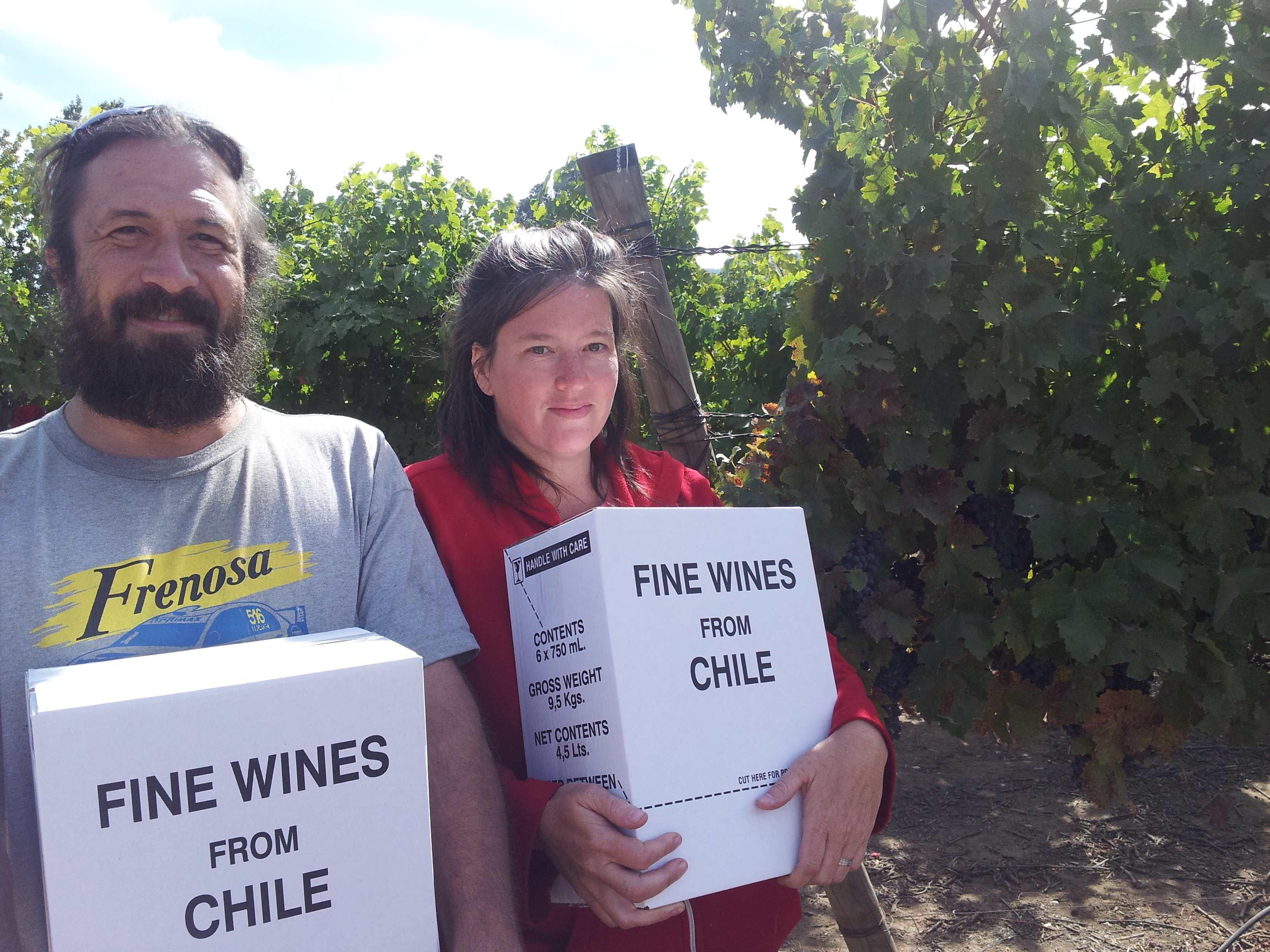
One of the best things about Chile is that wine is cheaper than bottled water, soda, juice or milk. We have become very used to cheap wine, where we start to think that $10 a bottle is really a lot to pay for wine. We have pretty much stuck to drinking the wines Chile is renowned for, which (lucky for us!) include Merlot, Carménère, Zinfandel, Petite Sirah, Cabernet Sauvignon, Pinot noir, Syrah, , Malbec, Chardonnay, Sauvignon blanc, Sémillon, Riesling, Gewürztraminer and Muscat.
Ryan is old enough to drink wine here and he has been interested in wine – what is good wine? How do you know it’s good wine?
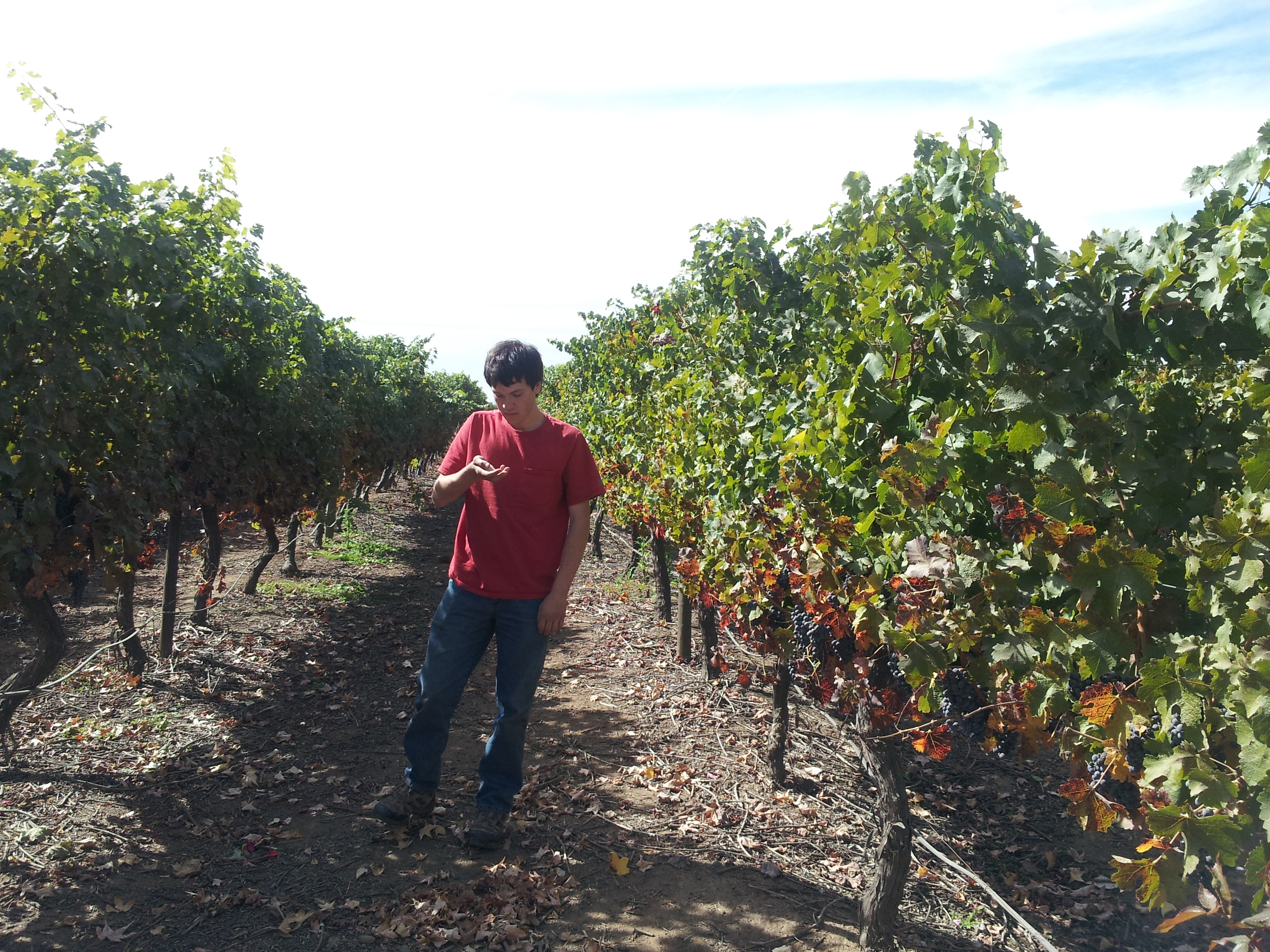
We began with Carménère, one of the original six red grapes of Bordeaux, France. You can tell the Carménère grapes because the leaves are bright red in the autumn and they look beautiful with the mountains of Patagonia in the background. We tried mid-range wines (1800CP or about $3.75), high end wines (4500CP or about $11), reservas and gran reservas. We visited a vineyard and bought a case of gran reserva.
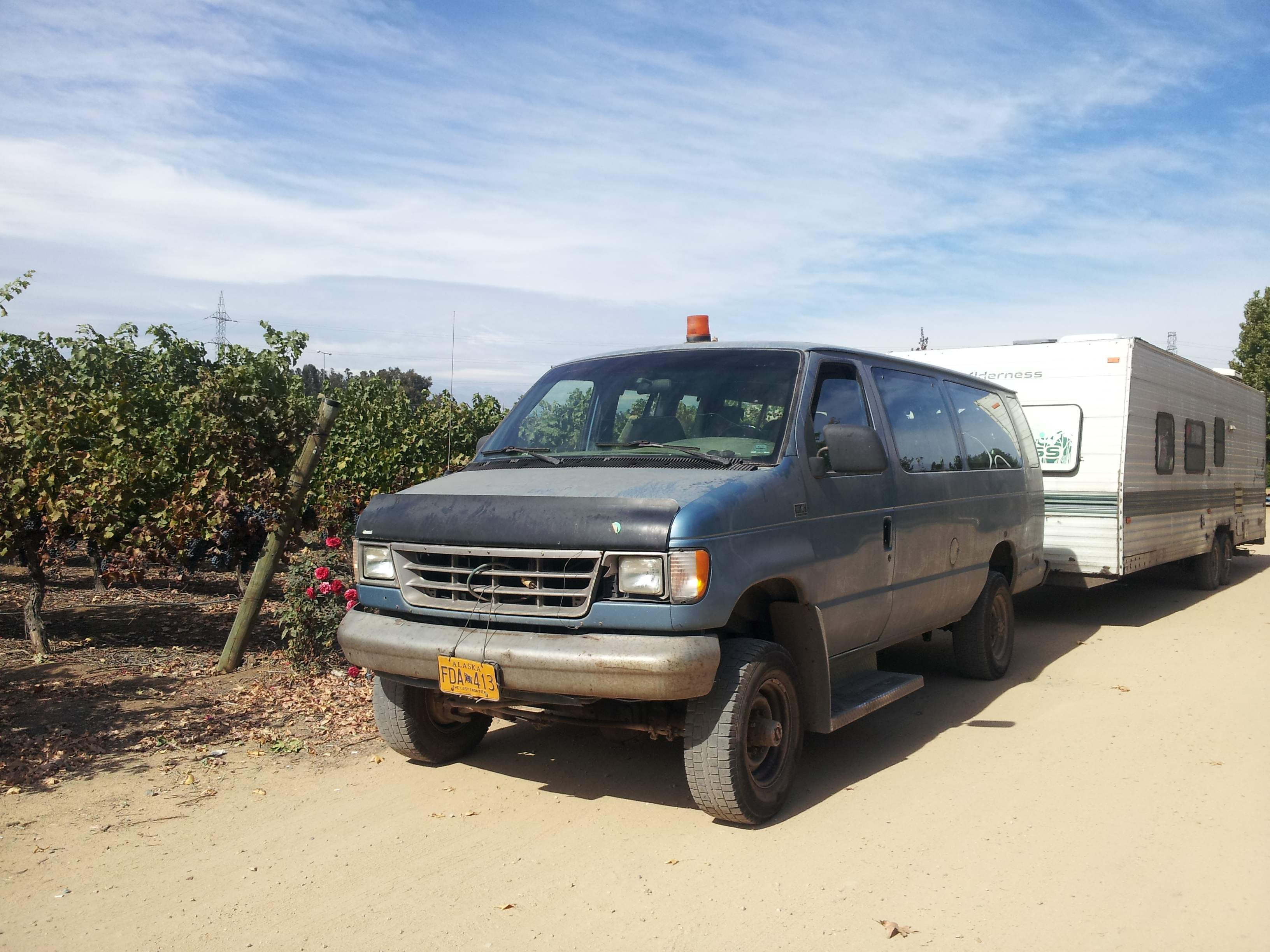
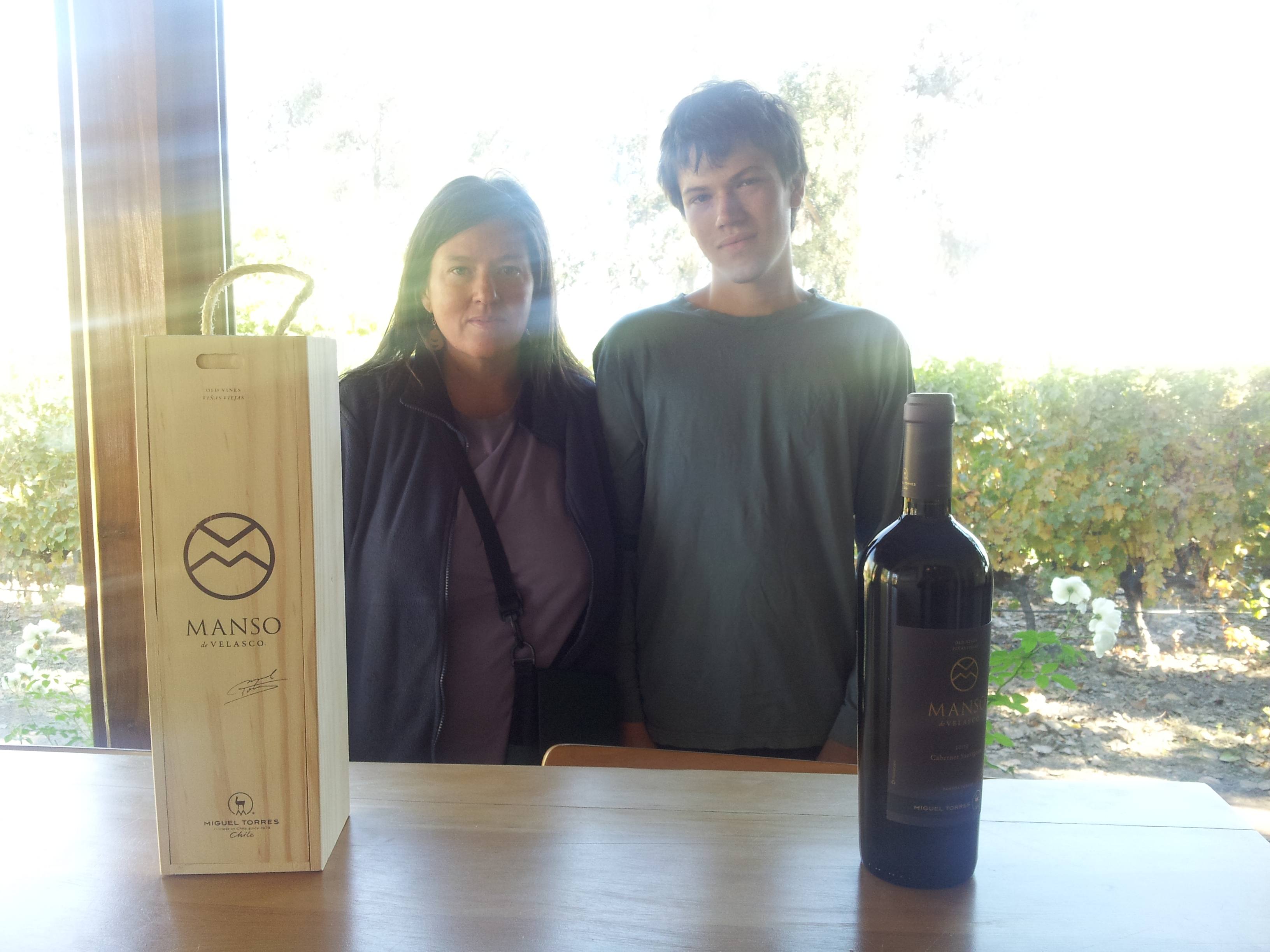
Along with Carménère, we bought several fine late harvest wines. Shopping for late harvest wines led me to a Cabernet Sauvignon Rose, which I had never tried. I liked it quite a bit and we tasted our way through several kinds, liking the organic Miguel Torres wine the best – which led us to the Miguel Torres Vineyard. Miguel Torres was one of the fine wine makers who invested in Chilean wine, along with Robert Mondavi and Château Lafite Rothschild. We visited the Miguel Torres vineyard, leaving the youngest 5 people in the camper with cream cheese sandwiches and pineapple soda. We were the only people at the vineyard, we are here in Chile out of season. The young man who provided the tours was practicing his English, having lived in Alberta for 4 years. It was a lovely, sunny day and the vineyard was beautiful. We sat at a tasting table and talked about Canada and tasted wine. Our guide told us there was an $8USD uncorking fee to try any wine but once the bottle was open, the wine was free. Ryan selected the most expensive bottle, an $80 2009 Gran Reserva Cabernet Sauvignon and we drank it.
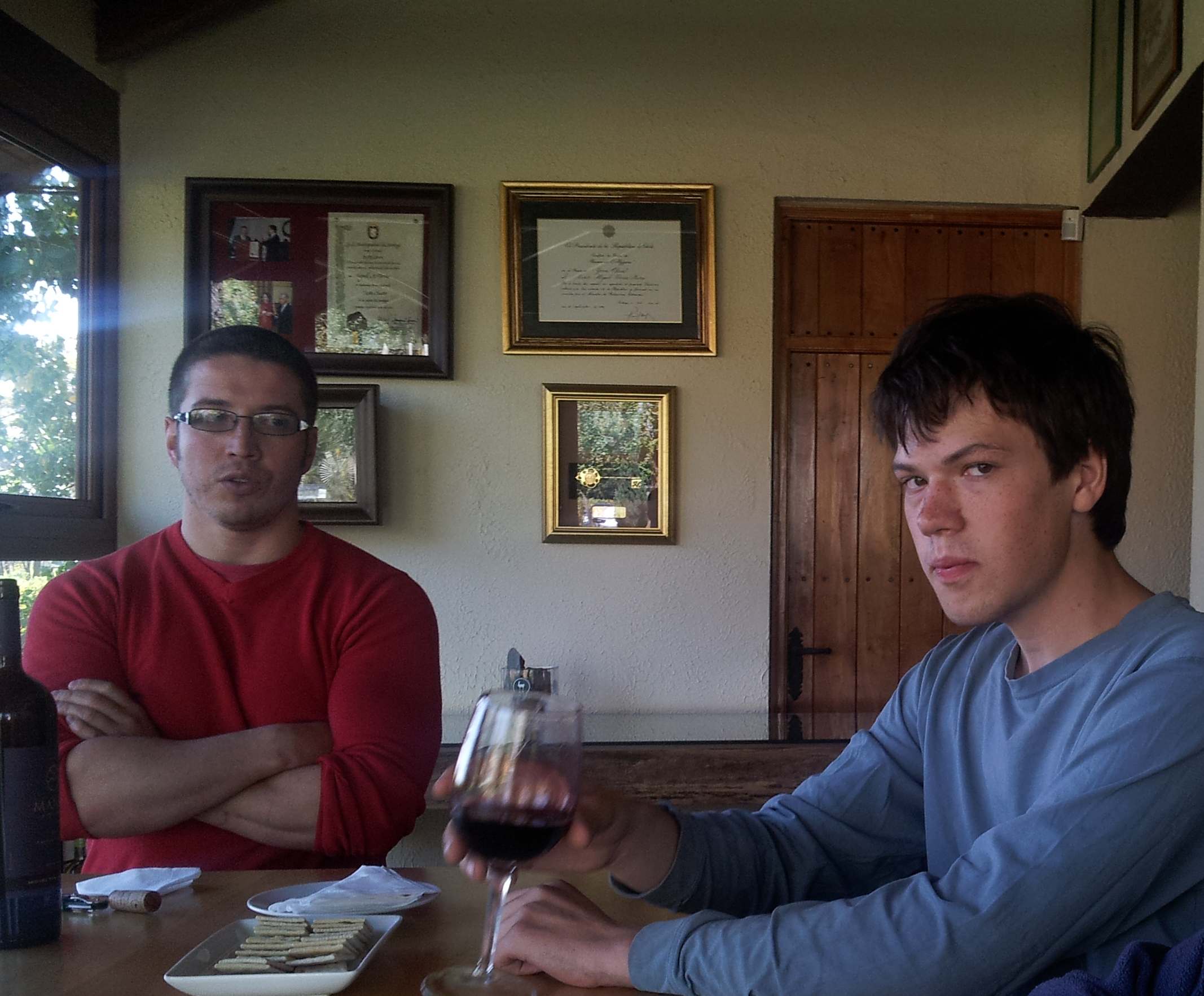
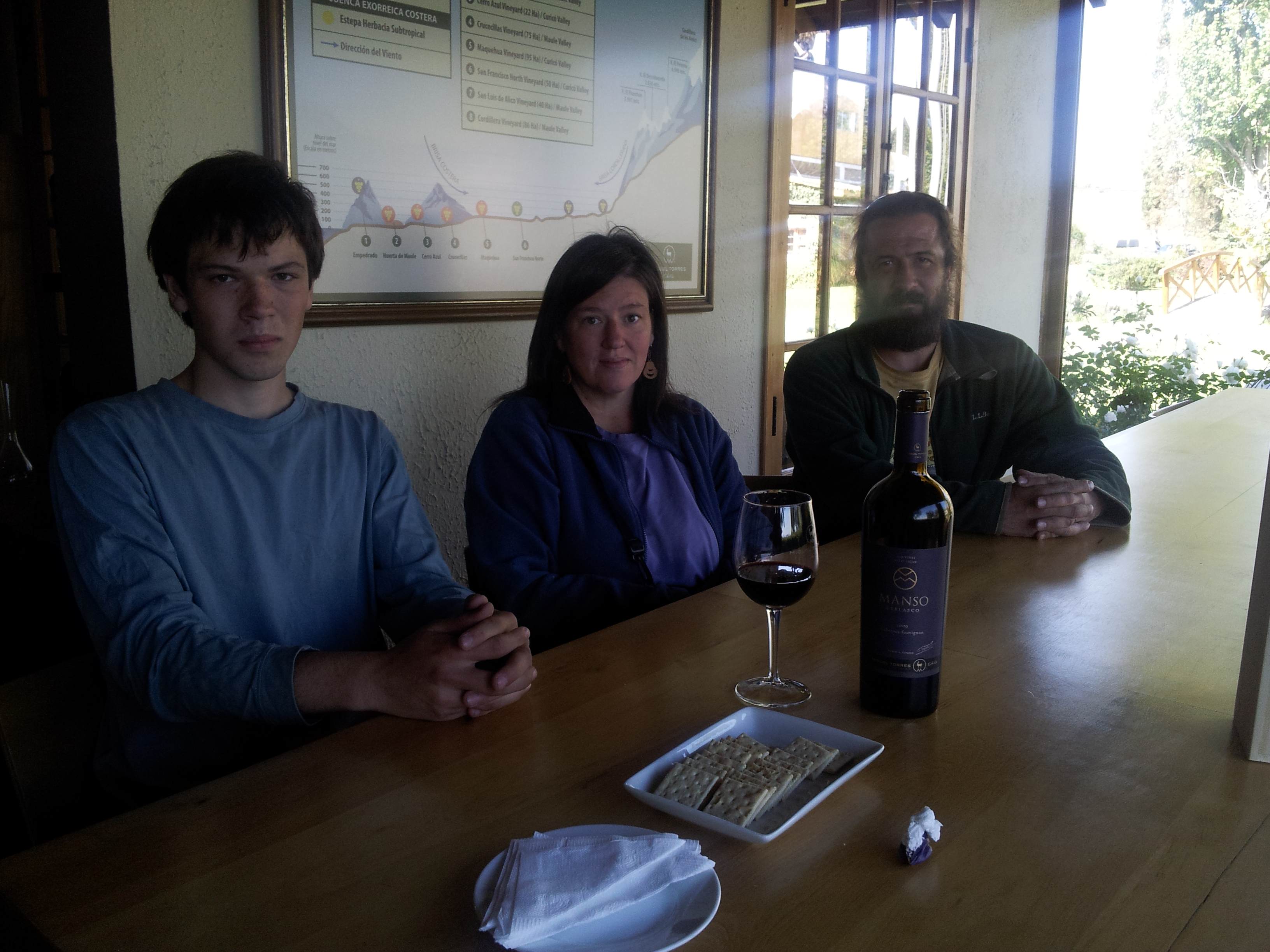
The vineyard had an excellent restaurant and we spent some time thinking about how long we could leave the youngest 5 in the camper before some kind of Lord of the Flies thing would take place. We opted not to eat there – but, oh I so much wish we had! The food sounded wonderful and it all came with “matching” wine. Mark took a photo of the menu because we decided we need to have parties like this when we get back to Alaska. Here are two entrees:
Crab ginger cake served with Tongoy scallops breaded in purple
corn, tomatoes confit in Las Mulas organic olive oil and
lavender and cardamom salted foam
Smoked salmon tartar, toasted almonds, capers, olives and coriander in
soft citrus vinaigrette, served with mustard caviar, squid ink
streusel in Shot of avocado and watercress
You have to admit, the foam is intriguing!
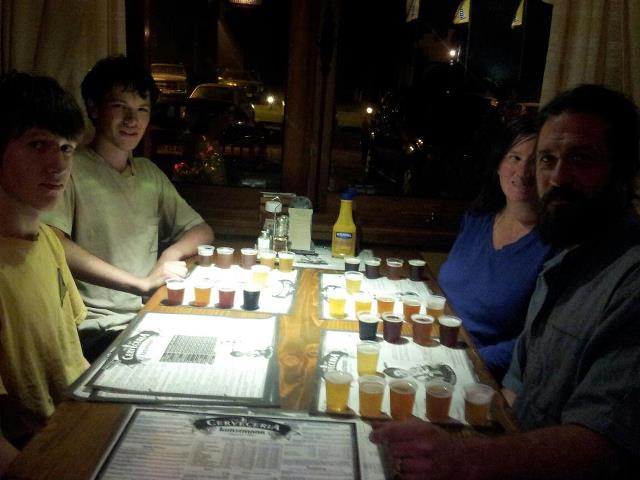
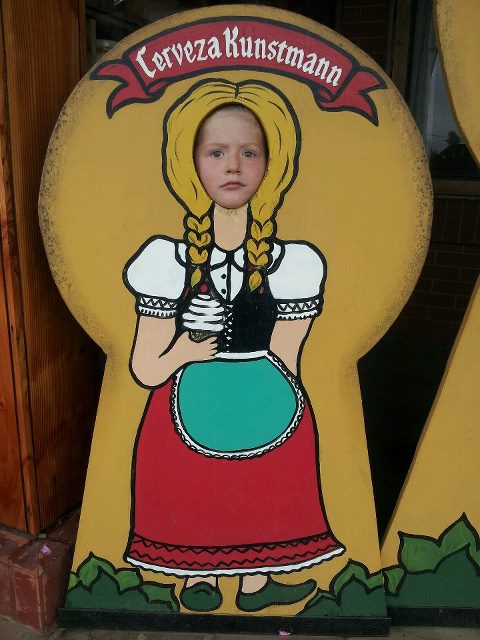
At one point, we were meandering around the Lake District where there are a lot of German immigrants and a lot of German food like strudel, schnitzel, spätzle and, of course beer. We camped (smart thinking, eh?) in the parking of the Kunstmann Brewery where we tried to take the kids out to dinner but, because we have weird kids, the girls opted to eat camper food so Max, Jack, Ryan, Mark and I went in for appetizers and beer. Ryan, Mark and I ordered the 12 beer sampler. We also had spätzle, a plate of sausages, fried empanadas and that South American vegetarian standard, the avocado sandwich. The beer was meh – but we had a good evening.
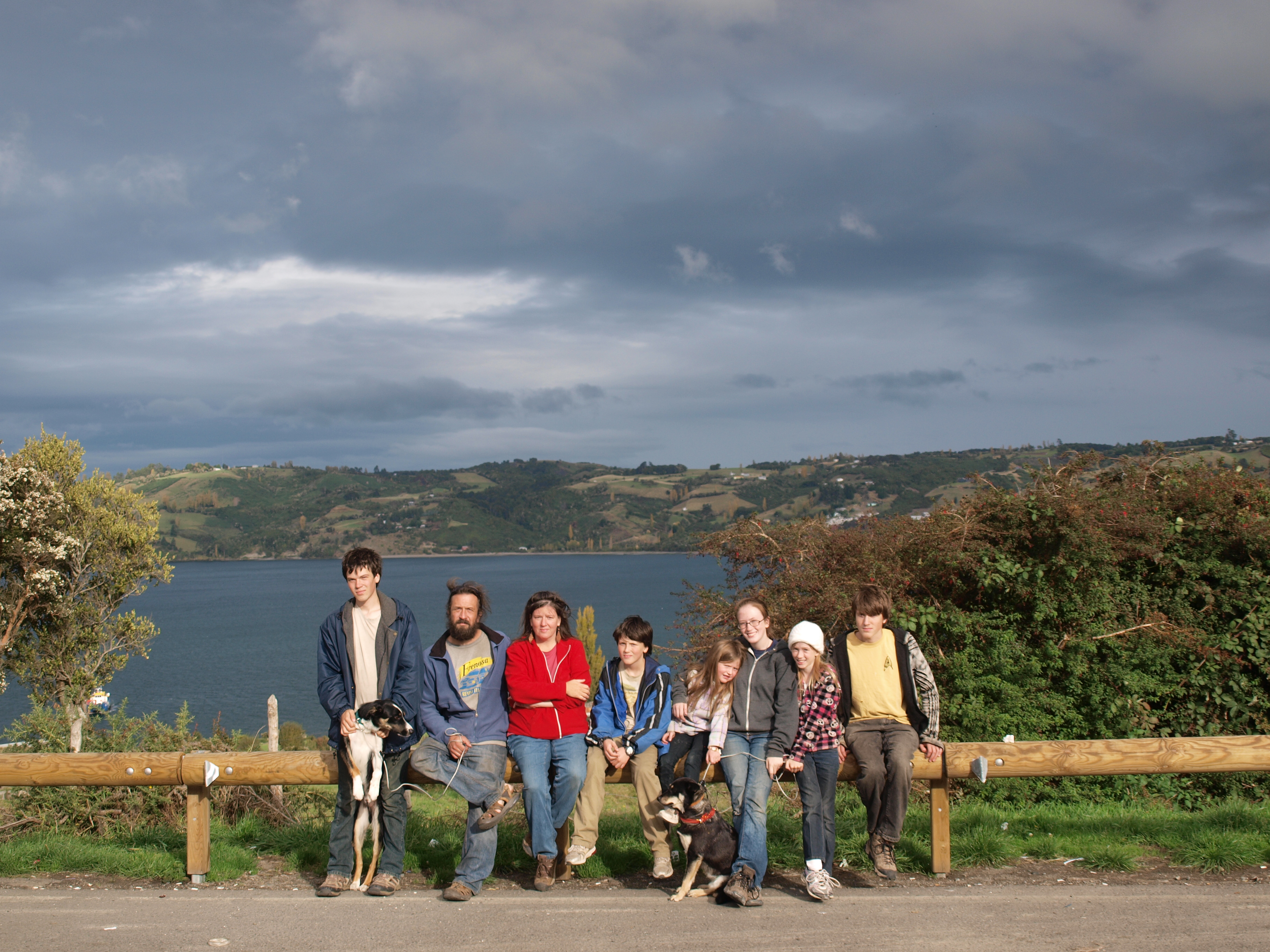
Today, Thursday, April 18, we have gone as far south as we will go. We drove the Pan American to the end. The Pan American ends in southern Chile on the island of Chiloe. We took a ferry to the island and drove south until the only option was turn around or wait for the next ferry to the Carretera Austral. The ferry to the Carretera Austral is a 12 hour ride and it does not run all the time now that it is going into winter. The road south once the ferry takes you across, is 1400 miles further on a gravel road to the very tip. The weather here is cold, very windy, rainy and getting more like winter every day. We are here out of season and most things are closed, like gas stations and stores.
We stopped and took a photo and had a little time of reminiscing and we came up with some things we have learned on this trip and here they are:
- Everyone in the entire world eats hot dogs, french fries and drinks Nescafe.
- People make out everywhere here, old people, teens, in cars, on blankets, on benches – some cities have parks devoted to making out called Love Parks.
- Freedom is not that important to a lot of people
- Putamyo has it all wrong. Music of the Coffee Lands should include Young Turks, Gangnam Style and Karma Chameleon.
- Every email address we have gotten in SA has been hotmail
- People in Colombia do not have window screens
- While some places look spectacular, most of the places look normal and unremarkable.
- Sylvia LOVES shish kabobs. She has an entire main lesson book featuring crayon drawings of shish kabobs
- No one in Peru drinks cold drinks, always room-temperature soda and beer.
- People in Colombia have never seen a camper trailer
- Musica romanitca is instrumental versions of American songs played on traditional Andean instruments and played everywhere. The most popular are Dust In the Wind, Hotel California and El Condor Pasa but the list is long (usually 80’s power ballads) and we are bringing back CDs!
- Tomato sauce in every country includes lots and lots and lots of sugar
- All the $2 bills and Sacagawea dollars end up in Ecuador. Sacagawea looks very much like an Ecuadorian woman with her baby. The Sacagawea dollar was coincidentally chosen the same year Ecuador decided to use US money. Coincidence? We don’t think so. See photos below!
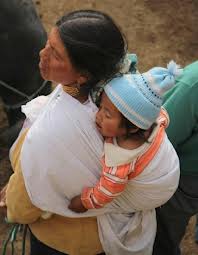
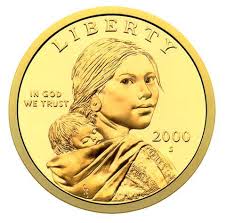
- Everybody has Facebook
- Dolls are always white skinned – why?? If I had a million dollars, I would open a dark-skinned doll factory.
- In Colombia, women wore shoes that matched their shirt every day. They must have a lot of shoes.
- You pronounce cuy “kweee” just like the guinea pig sounds
- In Peru, everyone checks every piece of money for being a counterfeit
- Manjar, oh we have learned so much about manjar. We even learned to like it. Somewhat. Some of us more than others. It is everywhere and in everything.
- Everything comes in a plastic bag, not a bottle or jar. Bags of water, ketchup, jelly, mayo, tomato sauce, manjar…
- There are many species of cavy. They are all different and they are actually different species, they do not breed
- The extreme ingenuity and work ethic of people in Peru, long days, hard work, hardly any pay and people are happy
- Many words are hard to translate (like, about, too, so)
- If you wear an outfit like this, it makes you instantly look like a fascist.
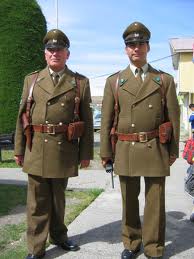
Chilean Police
]]>
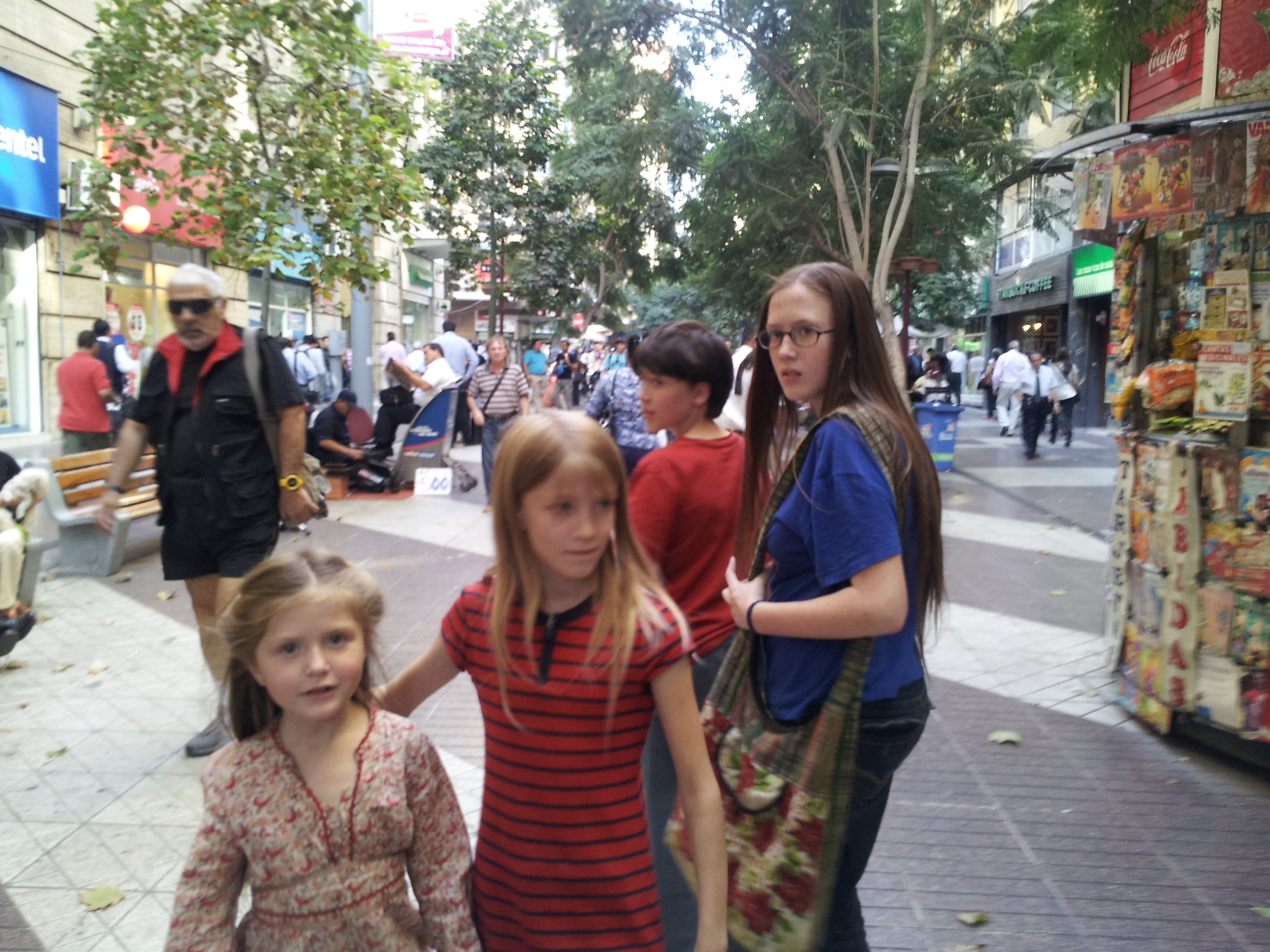
We spent a few days in Santiago strolling around the broad pedestrian streets and eating Chilean sopapillas (deep fried bread topped with spicy fresh salsa) and pine nut & cheese empanadas.

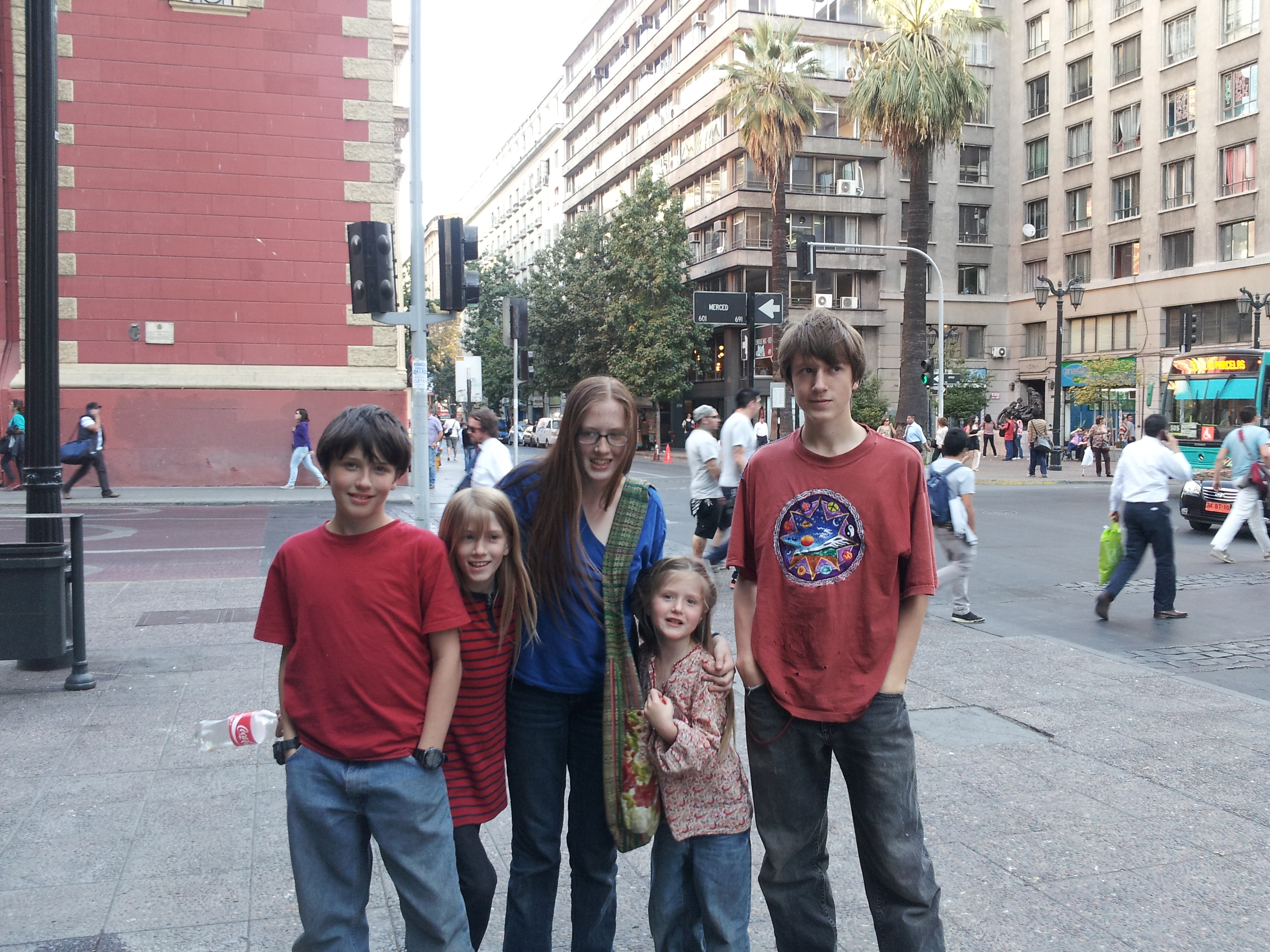
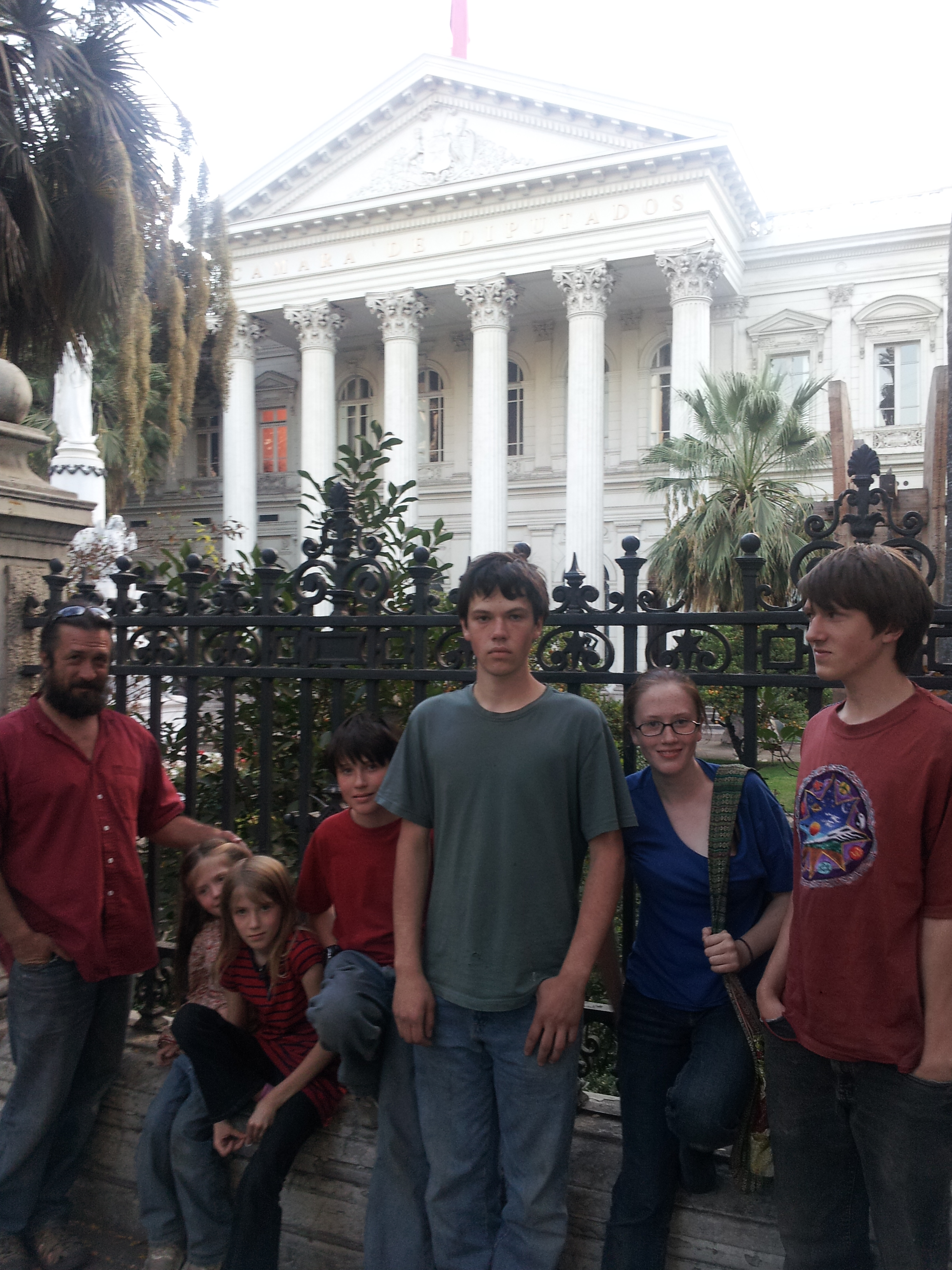
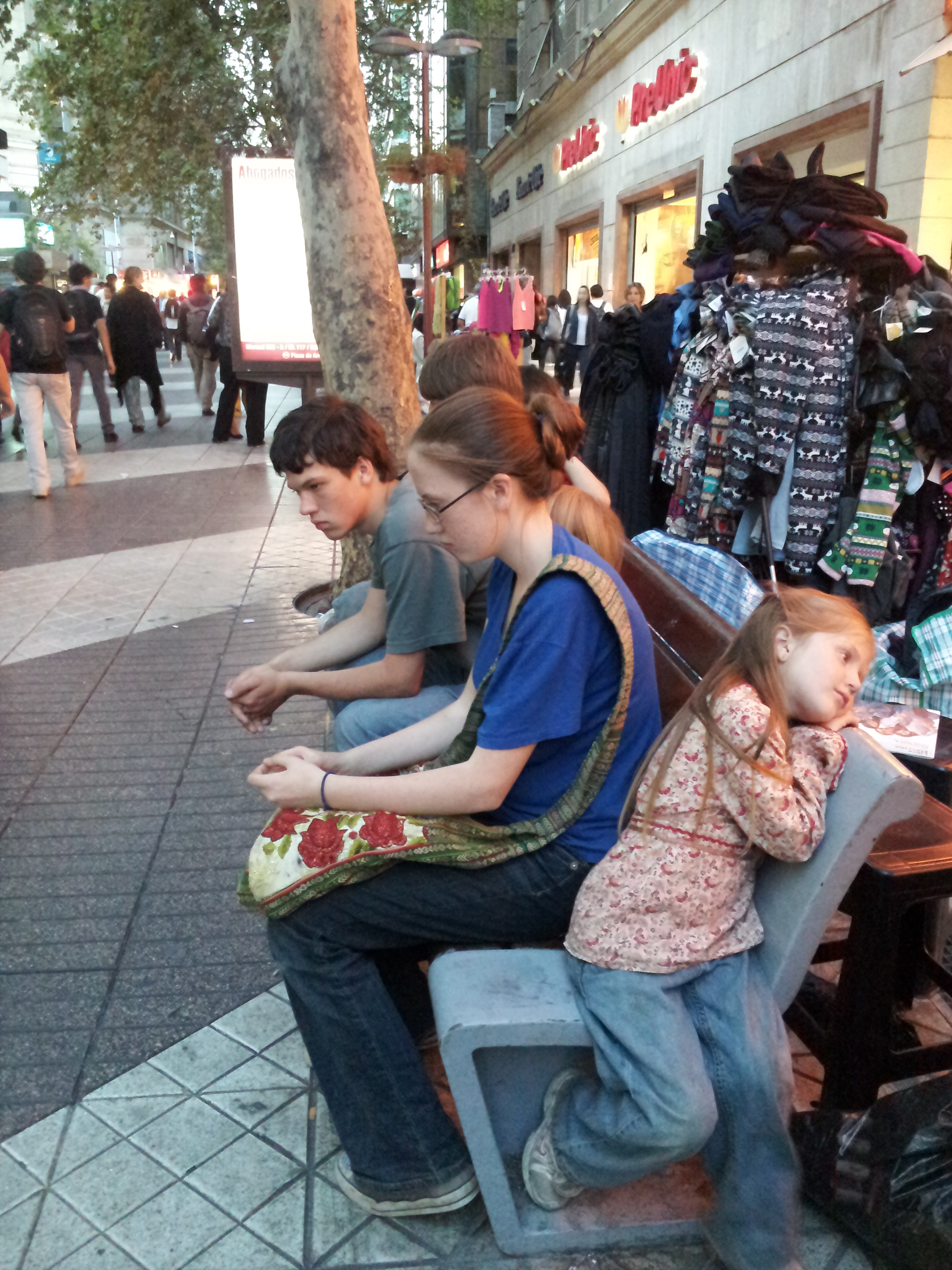
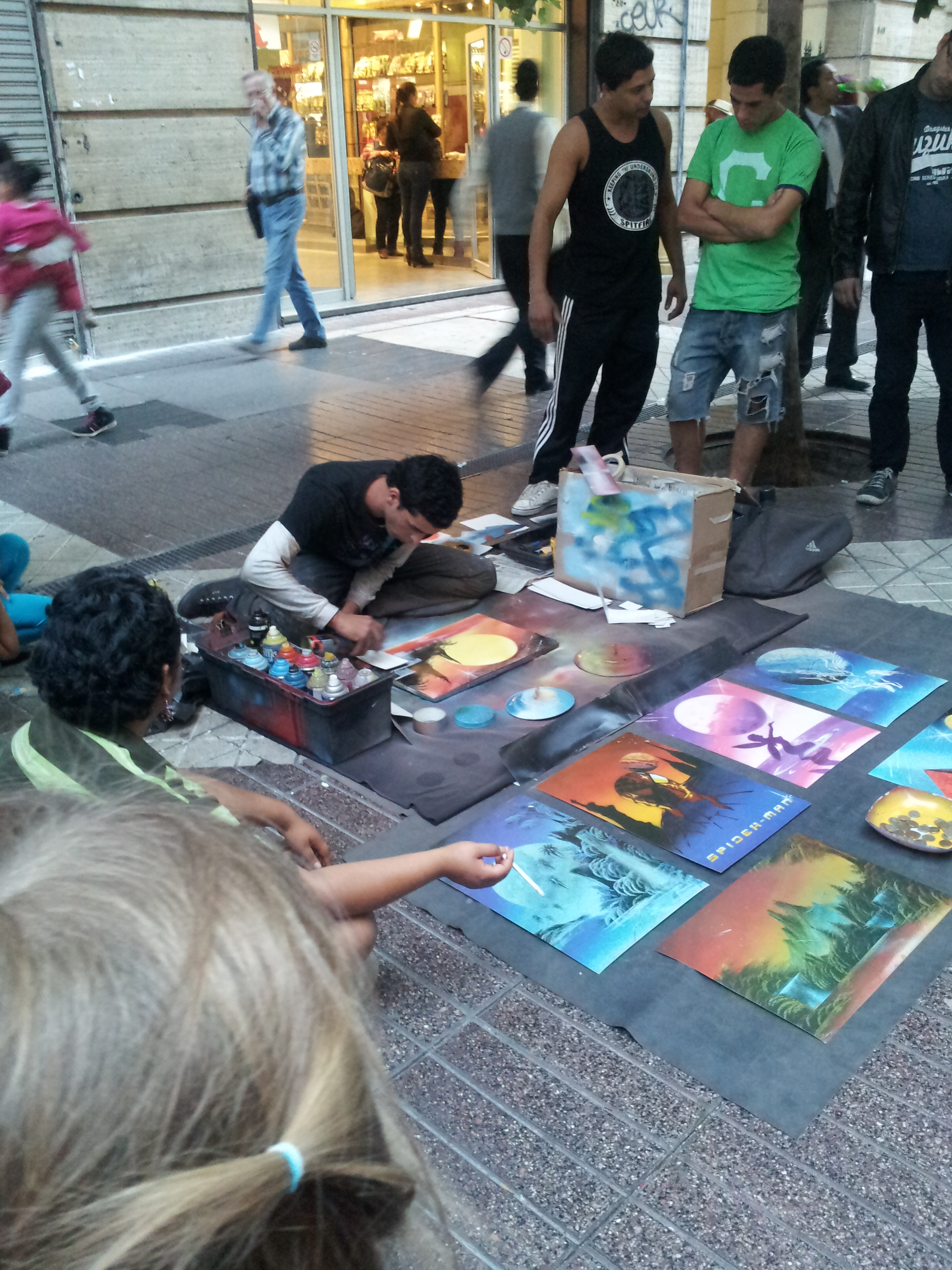
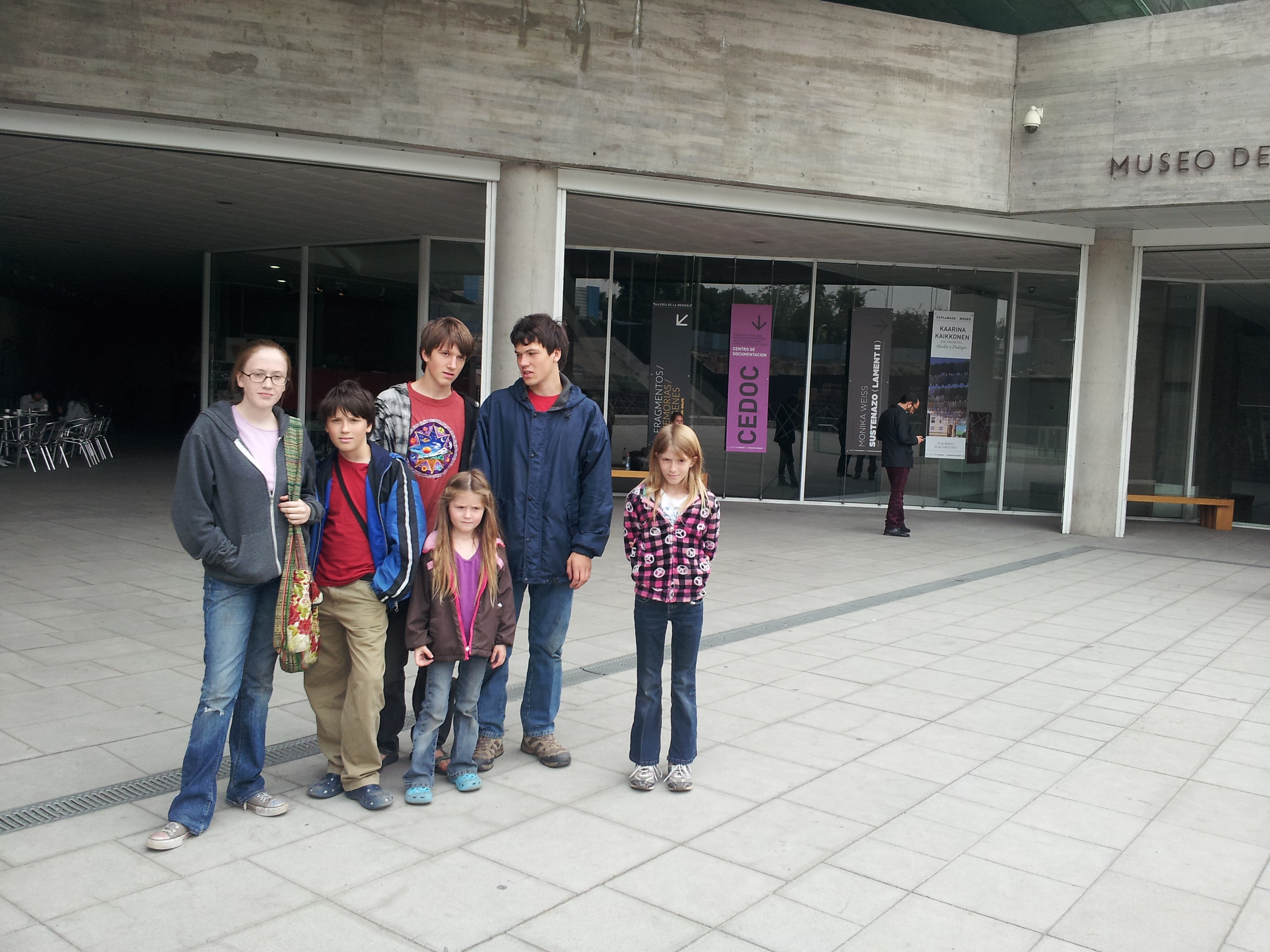
We went to the Museum of Memory & Human Rights where we learned quite a lot about the reign of Pinochet. Unlike the Shining Path exhibit in Lima where Peruvian people did not have cameras (even in the 1980’s) and all the photos were from foreign journalists, this museum was well documented with video, photos and interviews and it was an effective museum.
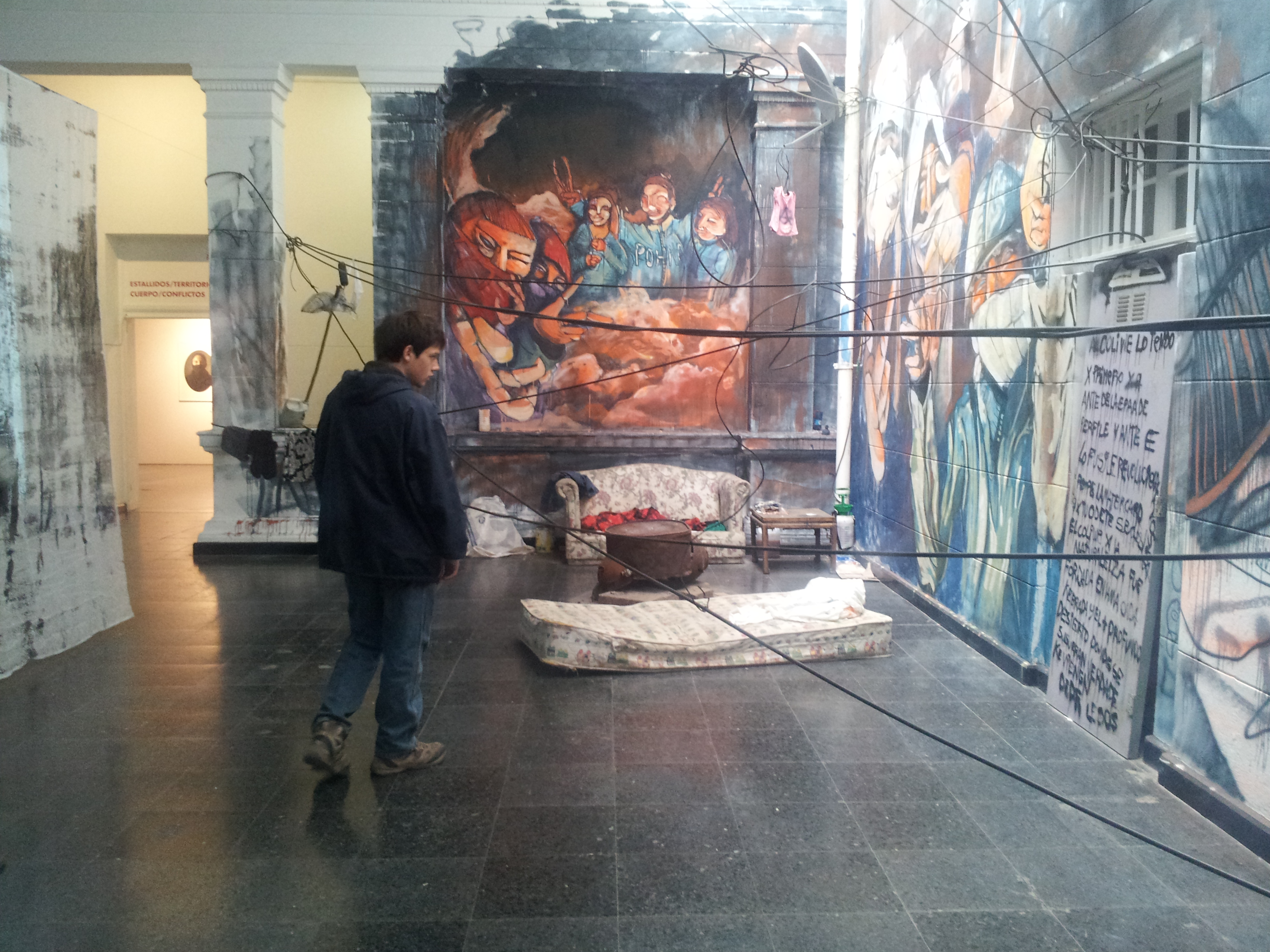
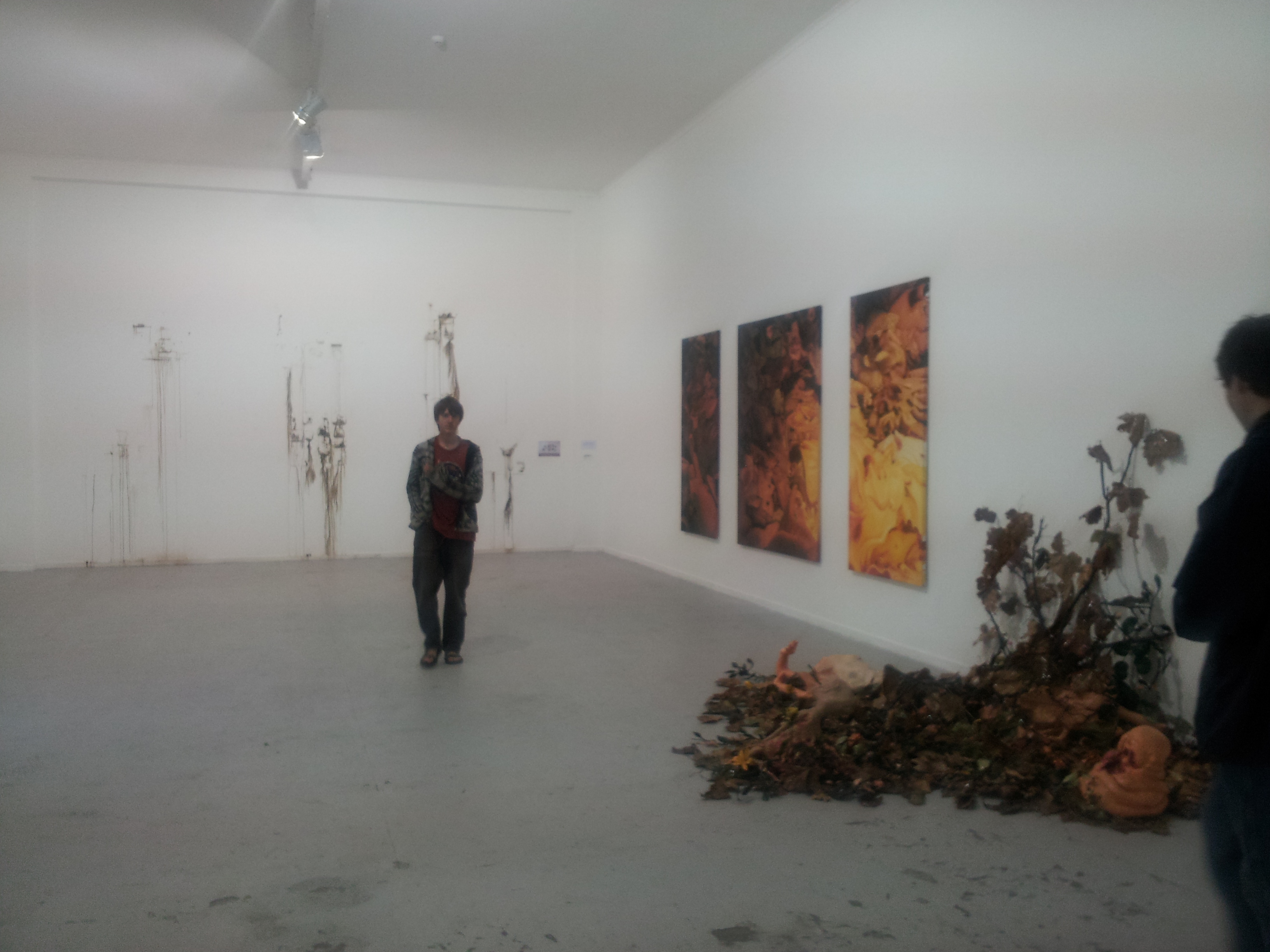
We went to the Museum of Modern Art and were thoroughly entertained for an hour.
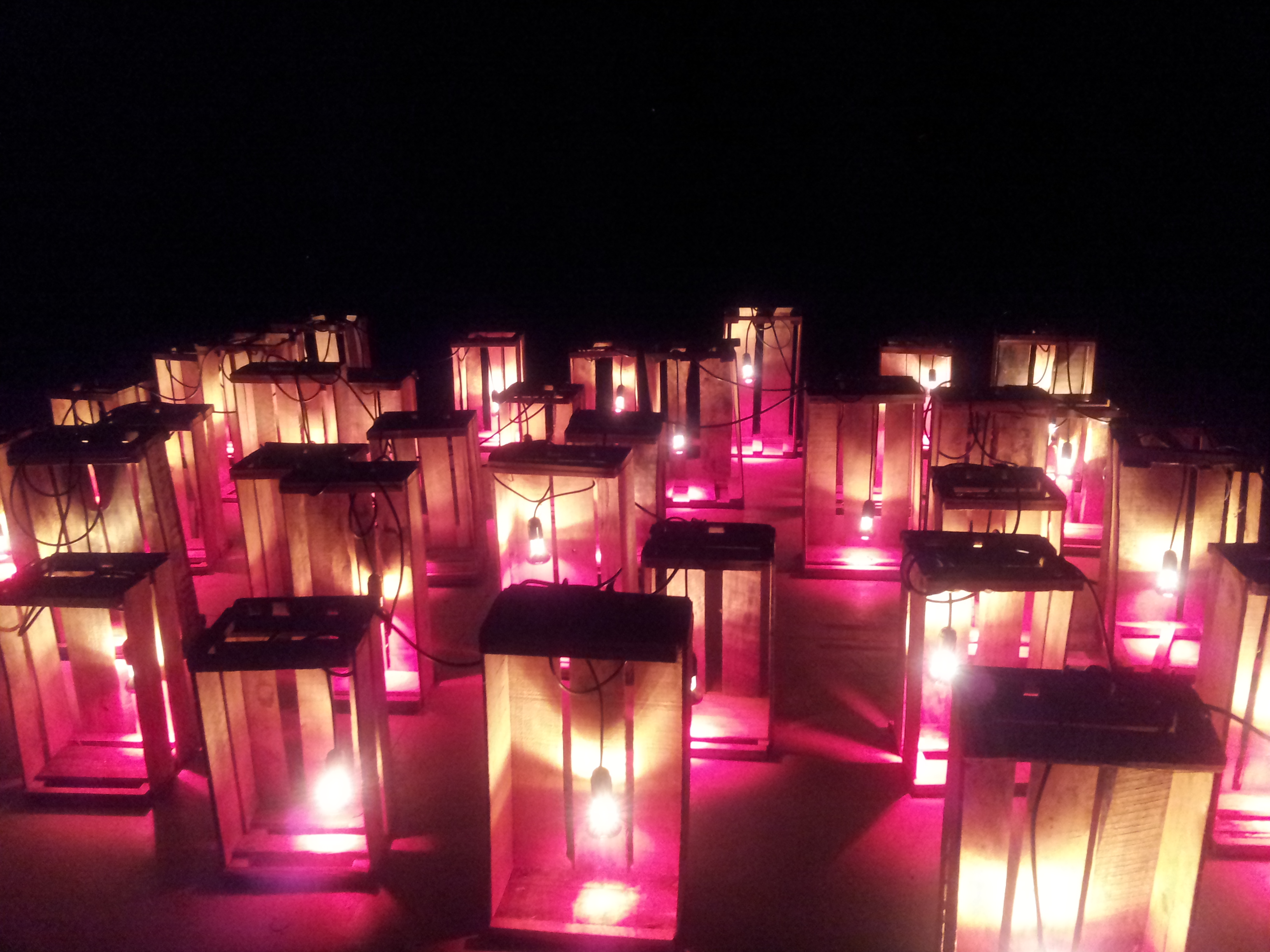
We returned to the camper and got the low down from Rueban: a man was looking at the camper. We soon found out why as a note was tucked into the window – he wanted to buy the camper. He returned the next morning and he talked to Mark for a long time. People always have questions about the camper – how does it work? Where are the water tanks? How do you hook it up to the van? Mark was illustrating the last one and put the hitch on the van and forgot to take it off. He also forgot to lock it on. We left that day to visit NYKLine’s SA office to work on shipping logistics. We drove through Santiago, got lost a few times and stopped at a park. We decided to just call NYK and headed back to the camper, stopping at the grocery store to bring Rueban a bunch of different cookies (Ryan did gas station store recon so we had a good idea what he ate). We returned, cleaned up and prepared to head south when Mark realized that the trailer hitch was missing! He had left it connected to the van and it fell off when we drove that morning. We painfully retraced our route, possible only because Mark has a photographic memory for driving. We call him the Forensic Driver because he can always tell what happened at a scene or remember exactly the way we drove. We drove but did not find the right hitch. The next day, we drove back into town to buy a hitch but, because such things like trailers are rare in Chile, so are trailer hitches. We went to three stores before we got to the wonderful store MetalCar where they sent us to a place to get one fabricated. Turned out fabricating a hitch was not engineeringly sound and we could special order one for $600 plus expedited shipping plus the extra hitch AND 10 days of waiting – so we returned to MetalCar to buy the hitch they had bu (Mark said he could make it work) -but they were closed. We headed back home and, as you may have guessed, we were downright despondent, disturbed, and depressed. So we stopped at the grocery store (very fancy, like Whole Foods) and bought Rueban a three pack of empanadas from the deli.
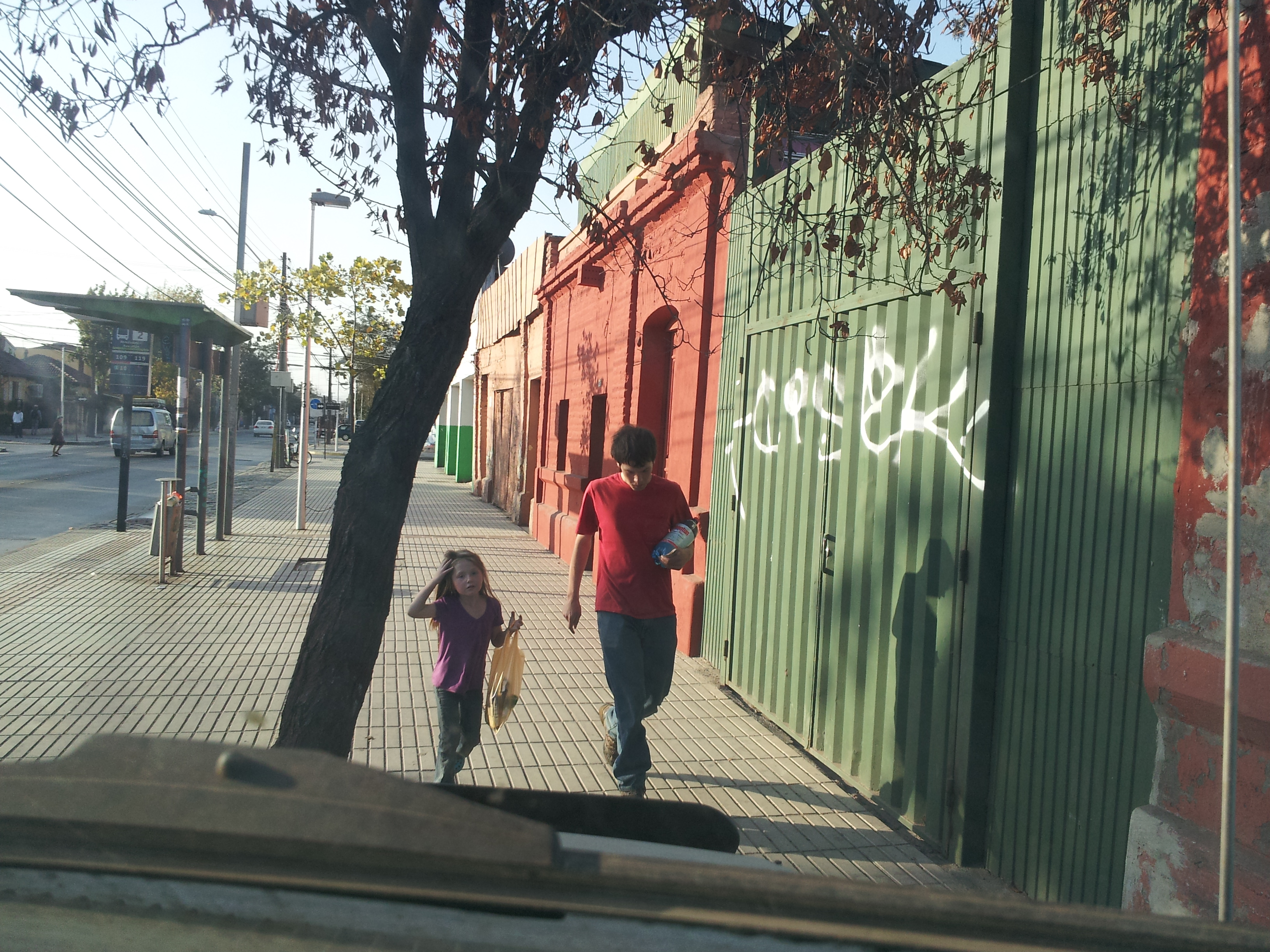
In the morning, we headed back into Santiago where Mark took the van to a brake shop to have the back brakes adjusted and the kids and I walked around looking for street food (which of course we found) and then back to MetalCar for the hitch. Its not the right hitch but it seems to work. And best of all, the nice man at MetalCar posted a comment on our blog of all the food we should try to eat in Chile, something we are absolutely hoping to accomplish! If you are ever in Santiago and need help with your trailer, head to MetalCar! http://www.metalcar.cl/
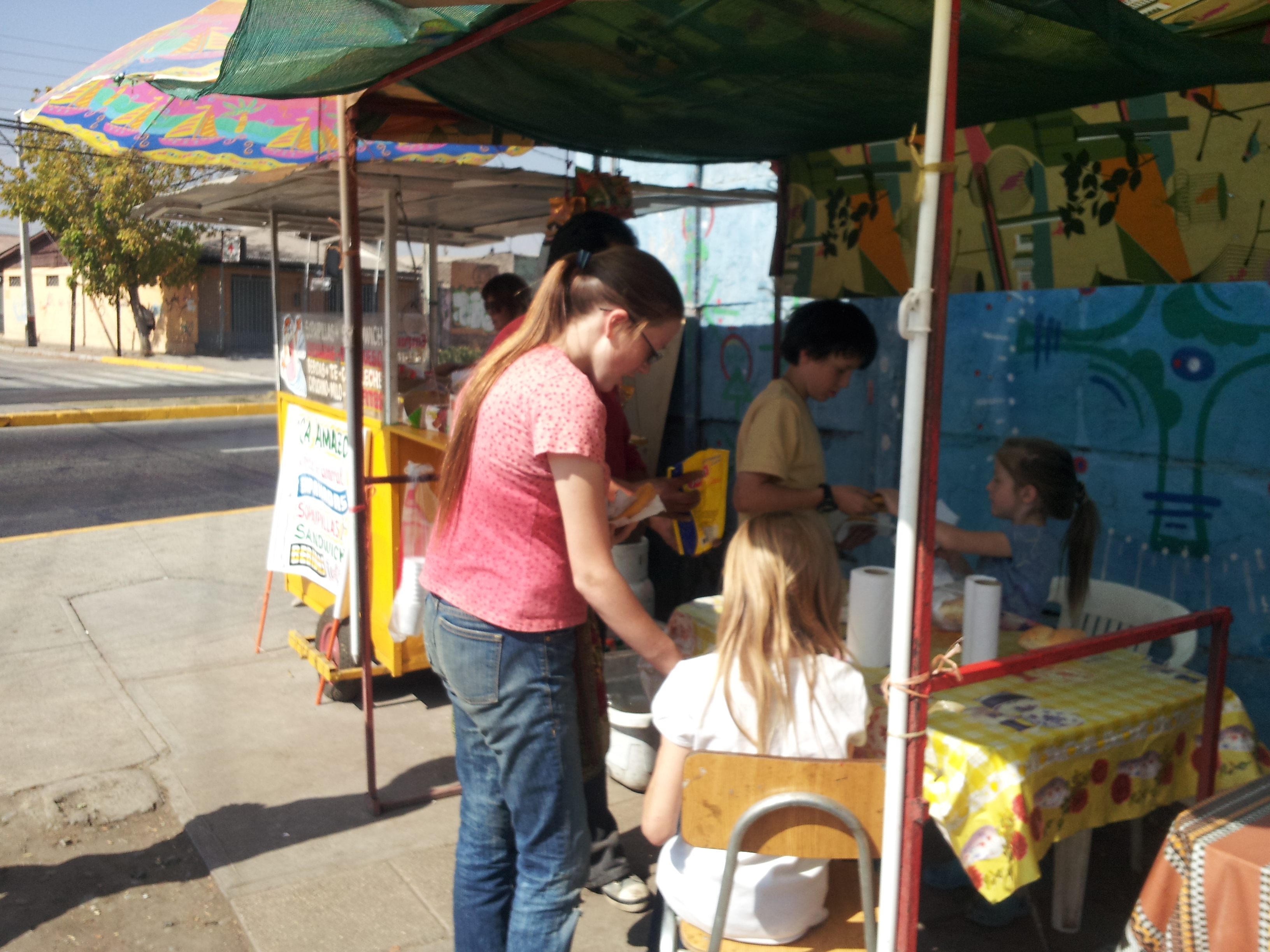
The whole Santiago escapade was like a giant scavenger hunt and we had a really thorough driving tour of the entire city and now feel like we are very well acquainted with Santiago. We will be coming back through here on the way north so we are looking forward to more Latin jazz.
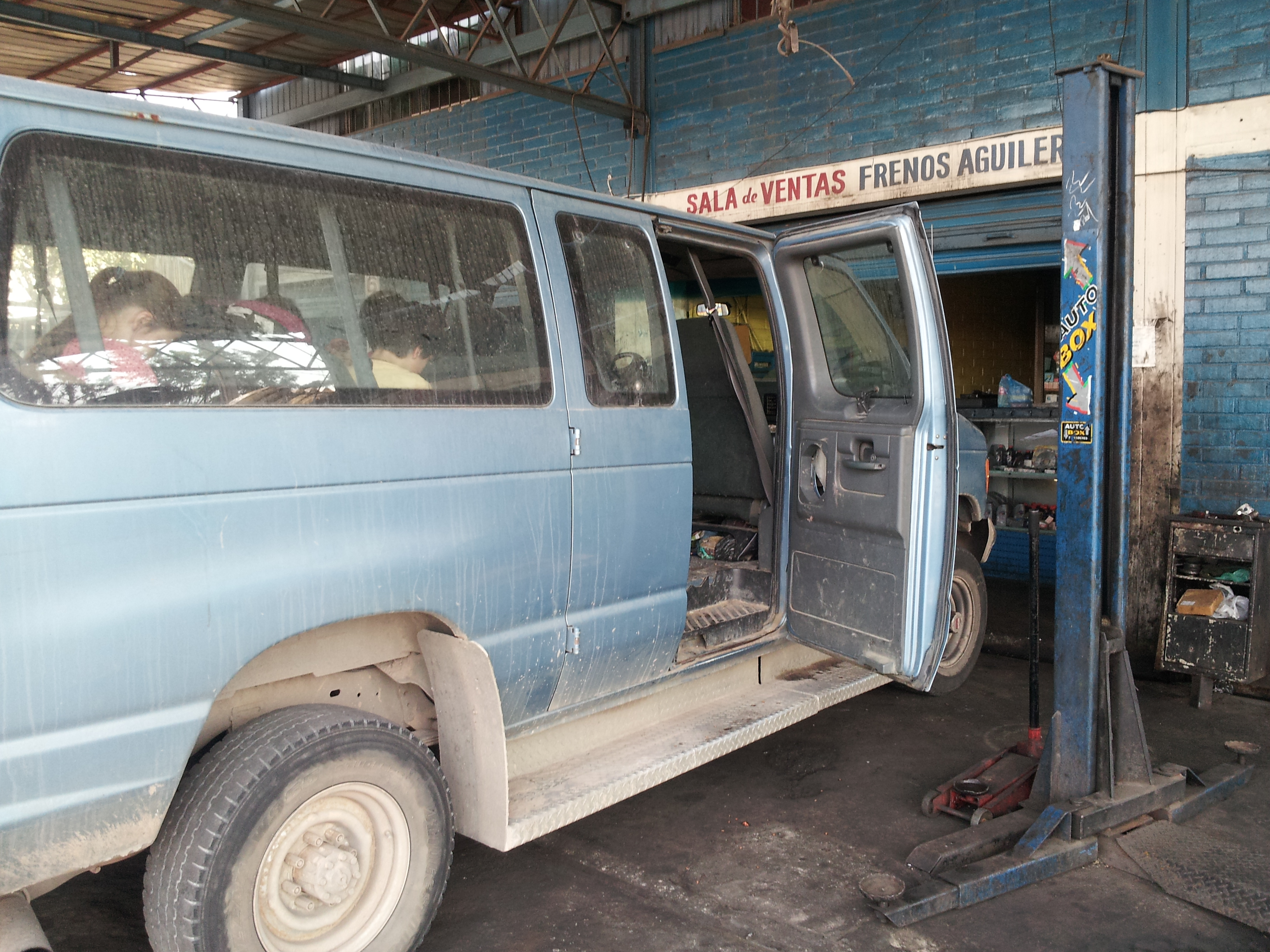
So now we were ready to head south. We hitched up the camper, said goodbye to Rueban and headed south. The days are getting shorter and colder, the sun doesn’t come up until after 8am and other overlanders say the wind is bad in the far south but we are going to see how far we can get.
]]>I love coffee. I used to drink coffee to keep me awake during 24-hour halibut fishing openers in Kodiak. I has a skipper on my crab boat that brought a 50lb bag of Espresso beans on the boat and would make the crew freshly ground super strong coffee BEFORE he woke us up every day. I really came to love coffee shortly after I met Michelle. I was at her cabin on Goldhill Road one night and she made me coffee with vanilla ice cream in it. It changed my life.
I prefer my coffee in a large cup with a teaspoon and a half of sugar and Coffeemate (TM). Many people have suggested cream or half and half to me, like I’m missing out on something. I have to say here that Coffeemate (TM), for me, adds a wonderfully delicious flavor to my sweetened coffee that I totally enjoy. No other non-dairy creamer adds the same flavor as Coffeemate (TM), nor does cream, etc. Just to be clear.
Michelle and I have been drinking hazelnut coffee for as long as I can remember. It used to be that the only place in Fairbanks you could get it was at Country Kitchen, but as the coffee movement in the USA grew, it became more widely available. At some point we switched from fresh ground coffee to Folgers hazelnut coffee. With six kids, you do what you can to save money.
Coffee availability in SA was a big concern for us. Mary and Brian had been to Ecuador not too long before we were heading there and told us there was no good coffee in Ecuador. This was pretty horrifying What about the rest of SA? We were going to Colombia so thing should be pretty good, right? Just in case, we stocked up on Folgers in Florida before we shipped the camper over. I think we had like 8 cans of coffee. We also had a giant can of Coffeemate (TM).
In Colombia it turns out that most of the coffee there is for export. When I was picking up the van and trailer from the port I was in a warehouse filled with coffee. And I mean filled. One hundred pound burlap sacks stacked on pallets and then stacked on top of each other something like 40 feet high. It was all unroasted coffee beans. It reminded me of the warehouse they stuck the Ark of the Covenant in Raiders of the Lost Ark. It was an unbelievable amount of coffee. Inconceivable really.
As we drove south all too quickly through Colombia we came to the city of Caucasia. We saw our first supermarket in SA and screeched to a halt on the side of the road to head in. We stocked up on many groceries, but one of the things we bought was a 5 kilo bag of ground coffee. It was something like $35. It turns out we should have bought more.
Our giant bag of coffee was pretty good stuff. I have to say, Colombian coffee is really good. We didn’t have any coffee worries at all through Ecuador. We didn’t run out until our lengthy stay in Puno. At the supermarket in Puno (Plaza Vea) they sold some coffee that turned out to be tolerable. Altiplano was the brand. It was pretty expensive, at least compared to the prices of other things in Peru, which were generally pretty cheap. It was about $7 a pound. One night we stopped into a smaller market that had coffee for sale in plastic bags. It smelled pretty good so we bought it. It was $5 for two pounds. It was terrible and still sits in the cupboard to this day.
We has a lot of hopes for Chile after spending two months in Peru. Good coffee was one of them. Oh well. So far we have tried four or five different brands of coffee in Chile. They were all OK, but Chile itself is pretty expensive and coffee is no exception. It runs $10 a pound for cheaper stuff (Haiti brand or Colombia brand) but quality coffee is way up there. Juan Valdez brand (REALLY!) from Colombia is $20 a pound. We have not bought it.
We have quite a bit of our Folgers hazelnut coffee left, but it turns out that we are not liking it so much. We ran out of Coffeemate (TM) a long, long time ago and it seems hazelnut Folgers is not the same without it. Especially black. Many of you who have been to our house may already have known this. We did not, since we had been adding stuff to our coffee. I don’t know what this means for us when we get home. Will we continue to drink strictly Folgers hazelnut? I don’t think so. I am looking forward to moving back to fresh ground coffees of many varieties . I am hoping to have a few or several different types of coffee on hand for whatever mood suites me. But first I must talk about an unforeseen development. NESCAFE!
The coffee aisles in supermarkets (or any market that has coffee) are filled with instant coffee. Seriously. There is something like 3 feet of shelf space for ground North American style coffee and then 25 feet of instant stuff. Ryan had brought some Nescafe from the US with us and we (Michelle and I) decided to try it. It turned out to be not so bad. Really. We followed the directions exactly to see what it would be like and it was pretty good! Best of all, it was really easy to make. Just heat up some water and pour it over the instant coffee in a cup. No need to get out the generator and the coffee maker, find the filters, measure out X amount of coffee, make sure we have enough water (always an issue in SA since any water we consume, we buy), etc. Most importantly, since we have all moved to black coffee (except for Ryan, who was already there), it tasted good. And we can make it quickly anytime anywhere, which can be pretty important when you’re traveling like we are.
Now I’m not saying we are switching to instant coffee on a permanent basis. I don’t really know what this means. I am still looking forward to stocking up on coffee as I mentioned earlier in this post. I am curious to see what happens when we get back. I can certainly see the advantages instant coffee can present when you need coffee pretty bad.
One thing I know, I sure do miss good coffee.
]]>